
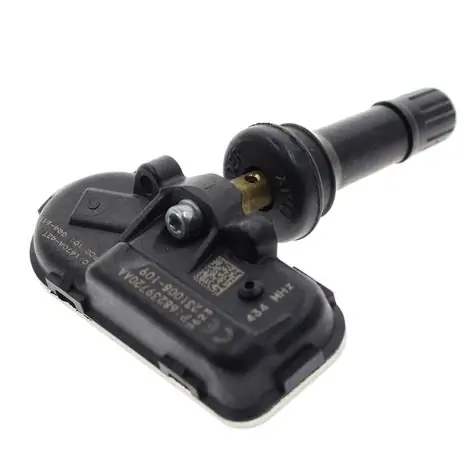
Discover the essentials of TPMS sensors, their signs of malfunction, safety importance, check status tips, and guide to replacing them for optimal vehicle performance.The 2014 Jeep Grand Cherokee is a sophisticated vehicle, equipped with a range of advanced technologies designed to enhance your driving experience and ensure safety on the road. One of these crucial features is the Tire Pressure Monitoring System (TPMS) sensors, which play a vital role in maintaining optimal tire pressure, ultimately influencing your vehicle’s performance and safety. In this blog post, we’ll explore what TPMS sensors are, the signs indicating they may be malfunctioning, and their importance for your overall safety. We’ll also provide guidance on how to check the status of your TPMS sensors and discuss when it’s necessary to replace them. Understanding these aspects can help you keep your Jeep Grand Cherokee running smoothly and safely.
What are TPMS sensors?
TPMS sensors, or Tire Pressure Monitoring System sensors, are essential components in modern vehicles, including the 2014 Jeep Grand Cherokee. These sensors play a critical role in ensuring the safety and performance of your vehicle by continuously monitoring the air pressure in each tire.
There are two main types of TPMS sensors: direct and indirect.
- Direct TPMS: This type utilizes sensors placed directly on the valve stems of each tire. These sensors provide real-time readings of tire pressure and send the information to the vehicle’s onboard computer.
- Indirect TPMS: Instead of using pressure sensors, this method relies on the vehicle’s wheel speed sensors to determine if a tire is under-inflated. It does this by comparing the rotational speed of the tires.
In the case of the 2014 Jeep Grand Cherokee, the vehicle is equipped with direct TPMS. This system is particularly beneficial because it offers precise pressure readings, enabling drivers to stay informed about their tire conditions and maintain proper inflation levels.
Regularly monitoring TPMS sensors can help prevent accidents caused by under-inflated tires, as well as improve fuel efficiency and prolong tire life. Overall, understanding the fundamentals of TPMS sensors is vital for every vehicle owner.
Signs of malfunctioning TPMS sensors
Tire Pressure Monitoring System (TPMS) sensors play a crucial role in vehicle safety, particularly for models like the 2014 Jeep Grand Cherokee. Malfunctioning TPMS sensors can lead to various issues, including inaccurate tire pressure readings, which could compromise your safety on the road. Here are some common signs that indicate your TPMS sensors may not be functioning properly:
- Warning Light on Dashboard: One of the most obvious signs is the illumination of the TPMS warning light on your dashboard. If this light stays on, it may indicate that there’s a problem with the TPMS sensors.
- Inaccurate Pressure Readings: If you notice that the tire pressure readings do not match your actual tire pressure—often requiring a manual measurement with a gauge—it could mean the sensors are malfunctioning.
- Fluctuating Pressure Readings: If the readings from the TPMS sensors change unexpectedly or appear to fluctuate significantly, it’s a sign they may not be operating correctly.
- Delayed Response: When you check your tire pressure, it should display quickly. If there is a delay in the sensor’s reading, it might indicate a malfunction.
- Physical Damage: Inspect your tires and the sensors visually for any signs of physical damage, such as cracks or breaks in the sensor’s housing.
- Lack of Communication: If the TPMS sensors are not communicating with the vehicle’s onboard system, you could experience a loss of functionality entirely.
Regular maintenance and checks can prevent issues with your TPMS sensors and ensure that your 2014 Jeep Grand Cherokee remains safe on the road. Always consult with a professional if you suspect your TPMS sensors are malfunctioning.
Importance of TPMS sensors for safety
The Tire Pressure Monitoring System (TPMS) is an essential safety feature in modern vehicles, including the 2014 Jeep Grand Cherokee. This system plays a crucial role in monitoring the air pressure in your tires, ensuring they are properly inflated for optimal performance and safety. Below are some key points highlighting the importance of TPMS sensors for safety:
- Prevention of Tire Blowouts: Correct tire pressure reduces the risk of blowouts, which can lead to severe accidents. TPMS sensors alert drivers when tire pressure falls below recommended levels, allowing timely action to remedy the situation.
- Improved Fuel Efficiency: Properly inflated tires contribute to better fuel economy. When tire pressure is low, the friction increases, leading to more fuel consumption. By monitoring tire pressure, TPMS helps to maintain optimal fuel efficiency.
- Enhanced Vehicle Control: Tires with the right pressure provide better handling and stability. This is especially important during adverse weather conditions, where maintaining control of the vehicle is paramount.
- Longer Tire Life: Regularly monitoring tire pressure through TPMS sensors can help extend the life of your tires. Proper inflation reduces uneven wear, allowing drivers to get the most out of their investment.
- Safety Compliance: Many regions have regulations requiring functional TPMS systems in vehicles. Keeping your TPMS sensors in good condition ensures compliance with these safety laws.
In conclusion, TPMS sensors are a vital component for the safety of drivers and passengers alike. Their ability to monitor tire pressure contributes significantly to preventing accidents, enhancing vehicle control, and ensuring safe journeys.
How to check TPMS sensor status
Checking the status of your TPMS sensors in your 2014 Jeep Grand Cherokee is an essential part of vehicle maintenance. Properly functioning TPMS sensors ensure that your tires are properly inflated, which is crucial for both safety and fuel efficiency. Here’s how you can check the status of your TPMS sensors:
1. Monitor the TPMS Warning Light
One of the easiest ways to check the TPMS sensor status is by observing the dashboard for the TPMS warning light.
- If the light is illuminated, it indicates that one or more tires may be under-inflated.
- If the light blinks, it may signal a malfunction in the TPMS system.
2. Use a TPMS Scanner
A more advanced method involves using a TPMS scanner to get detailed information about the sensors:
- Obtain a TPMS scanner compatible with your 2014 Jeep Grand Cherokee.
- Connect the scanner to the OBD-II port of your vehicle.
- Follow the scanner prompts to read the sensor data, which will reveal individual tire pressures and sensor statuses.
3. Perform a Visual Inspection
Sometimes, a simple visual inspection can help identify issues:
- Check each tire for proper inflation using a regular tire pressure gauge.
- Look for any damage around the tire and sensor area.
- Inspect the valve stems for cracks or leaks.
4. Resetting the TPMS
After correcting any tire pressure issues, you may need to reset the TPMS. To do this:
- Turn the ignition to the ON position without starting the engine.
- Press the TPMS reset button, usually located under the steering wheel.
- Hold it until the TPMS warning light blinks three times, indicating the system is resetting.
By following these steps, you can effectively check the status of your TPMS sensors and ensure your vehicle is safe and performing optimally.
Replacing TPMS sensors
When it comes to maintaining your 2014 Jeep Grand Cherokee, one of the crucial components to keep an eye on is the TPMS (Tire Pressure Monitoring System) sensors. These sensors play a vital role in ensuring your vehicle’s tires are properly inflated, which directly impacts safety, fuel efficiency, and overall performance.
If you’re experiencing issues with your TPMS, it may be time to consider replacing the TPMS sensors. Here are the steps involved in this process:
- Purchase the Correct Replacement Sensors: Ensure that you buy the right TPMS sensors compatible with your 2014 Jeep Grand Cherokee. Check the specifications in your owner’s manual or consult a professional.
- Prepare Your Tools: You’ll need the following tools for the replacement process:
- Tire iron
- Jack and jack stands
- TPMS activation tool (optional)
- Torque wrench
- Remove the Wheel: Use the tire iron to loosen the lug nuts; then, raise the vehicle with the jack and place it securely on jack stands. Remove the wheel to access the sensors.
- Locate and Remove the Old Sensors: The TPMS sensors are typically mounted inside the tire. Remove the valve stem where the sensor is located and take out the old sensor carefully.
- Install New Sensors: Place the new TPMS sensors in the same location as the old ones. Ensure they are securely fastened to prevent any air leakage.
- Reinstall the Wheel: Put the wheel back on and tighten the lug nuts. It’s essential to use a torque wrench to ensure they are properly tightened to the manufacturer’s specifications.
- Reset the TPMS System: After replacing the sensors, you may need to reset the TPMS system in your vehicle. This can usually be done through the vehicle’s settings or with an activation tool.
After replacing the TPMS sensors, it’s important to monitor the system to ensure that it is functioning correctly. Keep an eye out for any warning lights on your dashboard that might indicate old sensors were not fully replaced, or that there is still an issue with your tire pressure.
Replacing TPMS sensors not only improves the reliability of your tire pressure monitoring system but also enhances your vehicle’s overall safety. Make sure to check your sensors regularly and replace them as needed to ensure optimal performance.
Frequently Asked Questions
What is TPMS and why is it important for the 2014 Jeep Grand Cherokee?
TPMS stands for Tire Pressure Monitoring System. It is important for the 2014 Jeep Grand Cherokee as it helps monitor tire pressure, ensuring safe driving and improving fuel efficiency.
How do I know if my 2014 Jeep Grand Cherokee TPMS sensors are working correctly?
You can check if your TPMS sensors are working by looking for the warning light on the dashboard. If the light is illuminated, it could indicate a low tire pressure or a malfunctioning sensor.
What should I do if the TPMS warning light comes on in my 2014 Jeep Grand Cherokee?
If the TPMS warning light comes on, first check the tire pressures to ensure they are at the recommended levels. If the pressures are fine, further investigate potential sensor issues or consult a mechanic.
How many TPMS sensors are there in the 2014 Jeep Grand Cherokee?
The 2014 Jeep Grand Cherokee is equipped with four TPMS sensors, one for each tire.
Can I replace the TPMS sensors on my 2014 Jeep Grand Cherokee myself?
While it’s technically possible to replace TPMS sensors yourself, it generally requires specific tools and knowledge. It’s often recommended to consult a professional for proper installation and calibration.
What are the symptoms of a faulty TPMS sensor in a 2014 Jeep Grand Cherokee?
Symptoms of a faulty TPMS sensor may include the TPMS warning light staying on, fluctuating tire pressure readings, or an inability to reset the TPMS system after adjusting tire pressures.
How often should I replace the TPMS sensors on my 2014 Jeep Grand Cherokee?
TPMS sensors typically have a lifespan of 5-10 years, but it’s best to have them inspected regularly and replaced as needed, especially during tire changes.