
Explore everything about 315 MHz TPMS sensors, their importance, benefits, functionality, and tips for choosing the right one for your vehicle.In today’s automotive landscape, safety and performance go hand in hand, making Tire Pressure Monitoring System (TPMS) sensors essential for any vehicle. Among these, the 315 MHz TPMS sensor stands out for its unique frequency and functionality, providing precise monitoring of tire pressure levels. With the increasing emphasis on vehicle safety and efficiency, understanding the importance of these sensors has never been more relevant. In this blog post, we will explore what a 315 MHz TPMS sensor is, the benefits of using it, and how it operates. Additionally, we’ll guide you through choosing the right 315 MHz TPMS sensor for your needs. Whether you’re a car enthusiast or simply a responsible driver, this comprehensive overview will equip you with valuable insights into enhancing your vehicle’s safety and performance.
What is a 315 MHz TPMS Sensor?
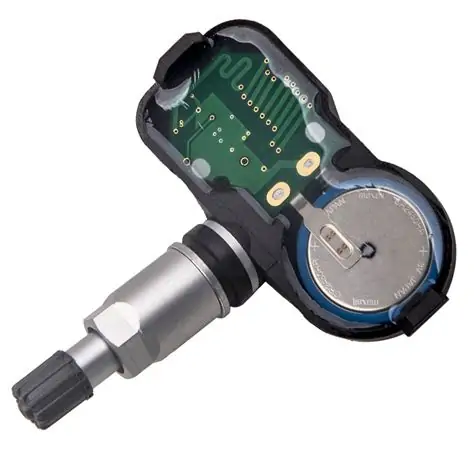
A 315 MHz TPMS sensor is a specialized device utilized in modern vehicles to monitor tire pressure. TPMS stands for Tire Pressure Monitoring System, and these sensors are vital for maintaining optimal tire performance and safety. Operating at a frequency of 315 MHz, they communicate tire pressure information wirelessly to the vehicle’s onboard computer.
These sensors are usually mounted inside the tire on the valve stem or within the tire itself. When inflated, the sensors measure the tire’s pressure and send this data to the vehicle’s central system continuously. If the tire pressure dips below the recommended level, the sensor triggers a warning light on the dashboard, alerting the driver to take corrective action.
Here’s a brief overview of a 315 MHz TPMS sensor features:
| Feature | Description |
|---|---|
| Frequency | Operates at 315 MHz, commonly used in North America. |
| Functionality | Monitors tire pressure and transmits data to the vehicle’s system. |
| Warning System | Alerts drivers of low tire pressure via dashboard warnings. |
Understanding what a 315 MHz TPMS sensor is and how it functions is essential for vehicle maintenance and safety. Proper tire pressure not only enhances fuel efficiency but also contributes to overall vehicle stability and handling.
The Importance of TPMS Sensors
Tire Pressure Monitoring Systems (TPMS) sensors play a critical role in vehicle safety and performance. These innovative devices are designed to continuously monitor the tire pressure of your vehicle, ensuring that it operates under optimal conditions.
The significance of TPMS sensors extends beyond mere convenience; they are essential for promoting driver safety and maintaining vehicle efficiency. Here are several key reasons why TPMS sensors are important:
- Enhanced Safety: Maintaining the correct tire pressure is crucial to avoid tire blowouts that can lead to accidents. TPMS sensors alert drivers when tire pressure falls below recommended levels, helping to prevent hazardous situations.
- Improved Fuel Efficiency: Properly inflated tires contribute to better fuel economy. Under-inflated tires can increase rolling resistance, causing the engine to work harder and consume more fuel. TPMS helps in keeping tires at optimal pressure, improving fuel efficiency.
- Extended Tire Lifespan: Regular monitoring ensures that tires wear evenly and last longer. TPMS sensors help drivers to address pressure issues promptly, reducing premature tire wear.
- Environmental Benefits: With improved fuel efficiency resulting from properly inflated tires, vehicles produce fewer emissions, contributing to a reduced carbon footprint.
- Cost Savings: Regular maintenance of tire pressure can lead to significant cost savings on fuel and tire replacements. TPMS sensors can prevent costly damage and repairs in the long run.
In summary, TPMS sensors are not just a safety feature but a technological advancement that enhances overall vehicle performance and environmental sustainability. Their ability to provide real-time feedback on tire conditions makes them an indispensable part of modern vehicles.
Benefits of Using 315 MHz Sensors
Utilizing 315 MHz TPMS sensors in modern vehicles brings numerous advantages that contribute to enhanced safety and efficiency. Below are some key benefits:
- Improved Safety: The primary advantage of TPMS sensors is their role in promoting road safety. By monitoring tire pressure in real-time, these sensors alert drivers when a tire is under-inflated, helping prevent blowouts and loss of control.
- Enhanced Fuel Efficiency: Proper tire pressure optimizes fuel consumption. When tires are inflated to the correct levels, vehicles experience lower rolling resistance, which can lead to improved fuel economy.
- Longer Tire Life: Maintaining the appropriate pressure through TPMS sensors can extend the lifespan of tires. Uniform pressure prevents uneven wear, thereby increasing the number of miles driven before tire replacement is necessary.
- Cost Savings: While there is an initial investment in 315 MHz sensors, the long-term savings from enhanced fuel efficiency and extended tire life can outweigh the upfront costs. Regularly monitored tires are a key component in avoiding costly repairs.
- Environmental Benefits: By ensuring optimal tire pressure, 315 MHz TPMS sensors contribute to lower CO2 emissions. Vehicles that run efficiently require less fuel, benefiting both the driver and the environment.
Incorporating 315 MHz TPMS sensors in vehicles not only enhances safety and efficiency but also leads to significant cost savings and environmental benefits, making them an essential component in modern automotive technology.
How 315 MHz TPMS Sensors Work
The 315 MHz TPMS sensor plays a critical role in vehicle safety and maintenance by monitoring tire pressure. These sensors use advanced technology to ensure that your tires are functioning optimally. Here’s how they work:
1. Tire Pressure Monitoring
The primary function of a TPMS sensor is to monitor tire pressure. Each sensor is installed inside the tire and continuously measures the air pressure. If pressure falls below a pre-set threshold, it triggers a warning to the driver.
2. Communication with the Vehicle
The 315 MHz TPMS sensors communicate wirelessly with the vehicle’s onboard computer system. They transmit data via radio frequency, operating specifically at 315 MHz frequency. The vehicle’s computer processes this information and alerts the driver through a visual indicator on the dashboard if there is an issue.
3. Activation and Deactivation
When the vehicle starts, the TPMS sensors automatically activate. This allows them to begin monitoring tire pressure in real-time. If a tire is detected to have low pressure, the sensor’s signal prompts the vehicle’s system to illuminate the tire pressure warning light.
4. Battery Life and Maintenance
The 315 MHz TPMS sensors are powered by a small battery, generally lasting between 5 to 10 years, depending on the type and usage. Regular maintenance checks can help ensure that the sensors are functioning properly and that batteries are replaced as needed.
5. Benefits of Real-Time Monitoring
The real-time monitoring capabilities of TPMS sensors significantly enhance vehicle safety. By providing immediate alerts when tire pressure drops, they help prevent accidents caused by under-inflated or over-inflated tires. Additionally, proper tire pressure can lead to better fuel efficiency and extended tire life.
In summary, understanding how 315 MHz TPMS sensors work is essential for any vehicle owner. These sensors not only enhance safety but also provide important data regarding tire maintenance, ultimately leading to a more efficient and safer driving experience.
Choosing the Right 315 MHz TPMS Sensor
When it comes to selecting the right 315 MHz TPMS sensor for your vehicle, a few critical factors need to be considered. These sensors play a vital role in monitoring tire pressure, ensuring safety, and improving fuel efficiency.
Factors to Consider When Choosing a 315 MHz TPMS Sensor
- Compatibility: Ensure that the sensor you select is compatible with your vehicle’s make and model. Some vehicles require specific sensors due to unique programming and frequency requirements.
- Sensor Type: There are two main types of TPMS sensors: direct and indirect. Direct sensors measure the actual tire pressure, while indirect sensors use ABS (anti-lock braking system) to infer tire pressure measurements. Choose based on your needs.
- Durability: Look for sensors that are made from robust materials to withstand harsh weather conditions and road environments. A durable sensor will last longer and reduce replacement costs.
- Battery Life: Most TPMS sensors come with a battery that can last several years. Check the estimated battery life of the sensor to avoid premature replacements.
- Brand Reputation: Opt for sensors from reputable brands known for quality and reliability. Research customer reviews and ratings to gauge the performance of the sensor you are considering.
Features to Look For
Some additional features that may enhance your experience include:
| Feature | Description |
|---|---|
| Real-time Monitoring | Instant alerts on tire pressure changes. |
| Integration with Vehicle Systems | Seamless communication with the vehicle’s onboard systems. |
| Easy Installation | Simple to install and program without professional assistance. |
Where to Buy
You can purchase 315 MHz TPMS sensors from various sources including:
- Authorized dealerships
- Automotive parts stores
- Online marketplaces like Amazon or eBay
By carefully considering these factors and features, you can make an informed decision when choosing the right 315 MHz TPMS sensor for your vehicle. Adequate research will help ensure that you invest in a quality component that enhances your driving safety and efficiency.
Frequently Asked Questions
What is a 315 MHz TPMS sensor?
A 315 MHz TPMS (Tire Pressure Monitoring System) sensor is a device used to monitor the air pressure inside tires and transmits data wirelessly to the vehicle’s onboard computer, alerting the driver if any tire is under-inflated or over-inflated.
Why is the frequency of 315 MHz important?
The 315 MHz frequency is one of the standard frequencies used for TPMS sensors in North America. It is important because it allows the sensor to communicate effectively with the vehicle’s monitoring system and avoid interference from other electronic devices.
How do I know if I need a 315 MHz TPMS sensor?
If your vehicle is equipped with a TPMS and has a warning light indicating low tire pressure or if you are replacing a faulty sensor, you may need a 315 MHz TPMS sensor. Check your owner’s manual or consult a professional mechanic to confirm the correct type.
Can I replace a 315 MHz TPMS sensor with a different frequency?
No, you cannot replace a 315 MHz TPMS sensor with a different frequency sensor (like 433 MHz) unless your vehicle is designed to accept multiple frequencies. Using an incompatible sensor can prevent the TPMS from functioning correctly.
How often should I replace my 315 MHz TPMS sensors?
TPMS sensors generally have a lifespan of around 5 to 10 years. It’s advisable to check them regularly and replace them when you change your tires or if they show signs of malfunction.
What are the signs that my 315 MHz TPMS sensor is failing?
Common signs of a failing TPMS sensor include an illuminated warning light on the dashboard, inaccurate tire pressure readings, or a sudden drop in tire pressure that does not correlate with any leaks.
Can I reset the TPMS warning light after changing a 315 MHz sensor?
Yes, you may need to reset the TPMS warning light after changing a sensor. This can typically be done using the vehicle’s menu options, a TPMS reset tool, or by following the specific instructions outlined in your vehicle’s owner manual.