
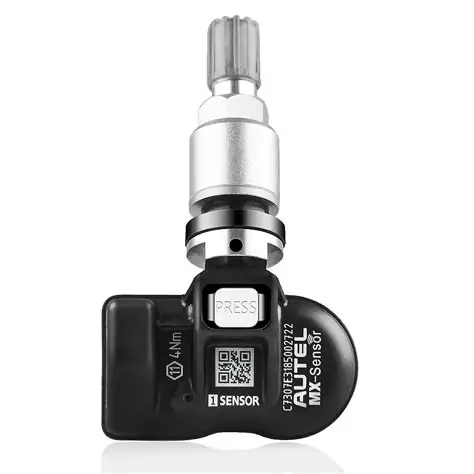
Discover the essentials of 315MHz TPMS sensors, their importance, functionality, advantages, and tips for choosing the right one for your vehicle.When it comes to vehicle safety and performance, tire pressure monitoring systems (TPMS) play a crucial role. Among the various types of TPMS sensors available, the 315MHz TPMS sensor stands out for its efficiency and reliability. In this blog post, we will explore the fundamentals of 315MHz TPMS sensors, starting with what they are and why they are essential for modern vehicles. We’ll delve into their functionality, highlighting how these sensors contribute to optimal tire performance, and discuss the advantages that make them a preferred choice among vehicle owners. Finally, we’ll provide insights on how to choose the right 315MHz TPMS sensor for your needs. Whether you’re a car enthusiast or simply looking to enhance your vehicle’s safety features, this guide will equip you with the knowledge necessary to make informed decisions about your TPMS needs.
What is a 315MHz TPMS Sensor?
A 315MHz TPMS Sensor (Tire Pressure Monitoring System) is a specialized device designed to monitor the air pressure inside your vehicle’s tires. Operating at a frequency of 315 megahertz, these sensors send real-time data to the vehicle’s onboard computer, ensuring that drivers are alerted to any significant changes in tire pressure.
The primary function of a TPMS sensor is to enhance vehicle safety by providing critical information about tire health. A properly functioning TPMS sensor can prevent tire blowouts, improve fuel efficiency, and extend the lifespan of your tires.
There are two main types of TPMS sensors available: direct and indirect. 315MHz TPMS sensors are generally classified as direct sensors, which are mounted inside the tire and provide accurate real-time data about tire pressure. Below is a quick comparison of the two types:
| Type | Functionality | Accuracy | Installation |
|---|---|---|---|
| Direct TPMS | Monitors tire pressure using sensors in each wheel | High accuracy | Requires installation of sensors in tires |
| Indirect TPMS | Monitors tire pressure through wheel speed data | Lower accuracy | Uses existing ABS system |
In summary, a 315MHz TPMS Sensor is an essential component for modern vehicles, ensuring drivers have timely information about their tire pressures and enhancing overall road safety.
Importance of TPMS Sensors
The Tire Pressure Monitoring System (TPMS) is a crucial component of modern vehicle safety and efficiency. TPMS sensors play a vital role in monitoring the air pressure within tires, providing real-time data that can significantly enhance driving safety and performance. Below, we explore the importance of these sensors in greater detail.
1. Enhancing Safety
Proper tire pressure is essential for safe driving. Under-inflated or over-inflated tires can lead to tire blowouts and loss of vehicle control. TPMS sensors alert drivers when tire pressures fall below or rise above recommended levels, helping to prevent accidents.
2. Improving Fuel Efficiency
Maintaining the correct tire pressure can significantly impact fuel efficiency. When tires are correctly inflated, vehicles consume less fuel. According to the U.S. Department of Energy, properly inflated tires can improve gas mileage by up to 3%.
3. Extending Tire Life
By monitoring tire pressure, TPMS sensors help ensure that tires wear evenly. This can lead to a longer lifespan for tires, resulting in savings on replacements and associated costs. Regularly maintained tires contribute not only to a safer ride but also to greater cost efficiency over time.
4. Environmental Benefits
Properly inflated tires contribute to reduced carbon emissions. When TPMS sensors indicate that a tire is low on pressure, correcting it helps to diminish the overall impact on the environment, as vehicles with optimal tire pressure tend to have lower emissions.
5. Convenience and Comfort
Many modern TPMS systems provide notifications directly to the vehicle’s dashboard, informing drivers of tire pressure status without the need for manual checks. This convenience enhances the overall driving experience by reducing stress associated with vehicle maintenance.
6. Compliance with Regulations
In many regions, vehicles are required by law to be equipped with functional TPMS due to the safety benefits they provide. Compliance not only enhances safety but also ensures that drivers adhere to local regulations regarding vehicle standards.
In Summary
The importance of TPMS sensors cannot be understated. From enhancing safety and fuel efficiency to extending tire life and benefiting the environment, these sensors serve a critical function in the overall performance and safety of a vehicle.
Functionality of 315MHz TPMS Sensor
The 315MHz TPMS (Tire Pressure Monitoring System) sensor plays a crucial role in vehicle safety and performance by monitoring tire pressure. Understanding its functionality helps vehicle owners appreciate its importance in daily driving. Below are the key functions of the 315MHz TPMS sensor:
- Real-Time Pressure Monitoring: The primary function of the 315MHz TPMS sensor is to continuously monitor the air pressure in each tire. The sensor communicates with the vehicle’s onboard computer, providing real-time data to the driver.
- Alert System: When the tire pressure falls below a preset threshold, the TPMS triggers an alert, usually in the form of a warning light on the dashboard. This prompt notification encourages timely intervention to prevent tire blowouts or accidents.
- Temperature Monitoring: Apart from pressure, many TPMS sensors also measure tire temperature. This function is essential since temperature fluctuations can affect tire pressure, leading to further issues if not monitored.
- Data Transmission: The 315MHz TPMS sensor transmits its readings at a frequency of 315 MHz, which is a designated frequency for tire pressure monitoring in many regions. This wireless communication allows for efficient data transfer without the need for physical connections.
- Battery Life Management: Most TPMS sensors are powered by batteries that can last several years. The functionality of the sensor includes low battery indicators, warning the driver when it’s time for a replacement, thus maintaining longevity in performance.
In summary, the functionality of 315MHz TPMS sensors extends beyond mere monitoring; they serve as a comprehensive alert system that enhances vehicle safety. By providing crucial information regarding tire conditions, these sensors form an integral part of modern automotive technology, safeguarding both drivers and passengers on the road.
Advantages of 315MHz TPMS Sensors
315MHz TPMS sensors have become an integral part of modern automotive technology, primarily due to their ability to monitor tire pressure effectively. Here are some key advantages of using these sensors:
- Enhanced Safety: One of the most significant advantages of 315MHz TPMS sensors is their contribution to road safety. By continuously monitoring tire pressure, these sensors help prevent tire blowouts and improve overall vehicle stability.
- Fuel Efficiency: Properly inflated tires are crucial for maintaining optimal fuel efficiency. 315MHz TPMS sensors alert drivers to any significant changes in tire pressure, allowing for timely adjustments that can lead to improved mileage.
- Increased Tire Lifespan: When tires are kept at the correct pressure, they wear out more evenly and last longer. This not only saves money on tire replacements but also promotes environmentally friendly practices.
- Real-Time Monitoring: 315MHz TPMS sensors provide real-time data, allowing drivers to be immediately aware of any tire pressure issues. This instant feedback loop is crucial for prompt action before any serious problems arise.
- Cost-Effectiveness: While the initial installation of TPMS sensors might seem like an added expense, the long-term savings from better fuel efficiency and reduced tire wear make them a cost-effective investment.
Moreover, 315MHz TPMS sensors are compatible with a wide range of vehicles, making them a popular choice for manufacturers and consumers alike. Their reliability and effectiveness in ensuring proper tire health cannot be overstated.
Investing in a good 315MHz TPMS sensor can enhance your driving experience by maximizing safety and efficiency.
Choosing the Right 315MHz TPMS Sensor
When it comes to selecting the right 315MHz TPMS sensor, there are several factors to consider to ensure that you are making an informed choice. A properly functioning Tire Pressure Monitoring System (TPMS) is crucial for vehicle safety and performance. Below are some essential factors to keep in mind while making your selection:
- Compatibility: Ensure that the sensor is compatible with your vehicle’s make and model. Some vehicles require specific sensors, so check the owner’s manual or consult with a professional.
- Frequency: Since you are looking for a 315MHz TPMS sensor, it is paramount to verify that the sensor operates at the same frequency. Using a sensor with a different frequency can lead to malfunction or inaccurate readings.
- Battery Life: Consider the battery life of the TPMS sensor. Some sensors come with longer-lasting batteries, while others may need replacement more frequently, which can be an added cost over time.
- Ease of Installation: Look for sensors that are easy to install and require minimal setup. Some aftermarket TPMS sensors can be programmed by the user, while others might require professional installation.
- Brand Reputation: Choose sensors from reputable brands known for their quality and reliability. Research the manufacturer and read reviews to ensure you are purchasing a trustworthy product.
- Cost: While it’s important to stick to a budget, be cautious of extremely low-priced sensors, as they might compromise on quality. Compare prices and features to find a balanced option.
- Warranty: Look for a TPMS sensor that comes with a warranty. A warranty can provide extra peace of mind and protection against potential defects.
By considering these factors, you can select a 315MHz TPMS sensor that suits your needs and ensures optimal vehicle performance. Remember, a well-functioning TPMS not only enhances safety but also contributes to better fuel efficiency and tire longevity.
Frequently Asked Questions
What is a 315MHz TPMS sensor?
A 315MHz TPMS (Tire Pressure Monitoring System) sensor is a device that monitors the air pressure inside tires and transmits this information wirelessly to the vehicle’s onboard computer at a frequency of 315 MHz.
Why are TPMS sensors important?
TPMS sensors are important for maintaining tire safety, improving fuel efficiency, and enhancing overall vehicle performance by alerting drivers to low tire pressure, which can prevent tire blowouts and prolong tire life.
How do you know if your TPMS sensor is working properly?
You can check if your TPMS sensor is working properly by observing if the warning light on your dashboard illuminates when tire pressure is low and by using a TPMS diagnostic tool to read sensor data.
Can you replace a 315MHz TPMS sensor yourself?
Yes, you can replace a 315MHz TPMS sensor yourself if you have the right tools and knowledge, but it’s often recommended to consult a professional mechanic to ensure proper installation and functioning.
What are common symptoms of a faulty TPMS sensor?
Common symptoms of a faulty TPMS sensor include the tire pressure warning light being constantly illuminated, inaccurate pressure readings, or failure to reset after checking tire pressures.
How often should you replace TPMS sensors?
TPMS sensors should generally be replaced every 5 to 10 years or whenever you change your tires, as battery life can vary and sensors may lose accuracy over time.
Are all TPMS sensors compatible with all vehicles?
No, not all TPMS sensors are compatible with all vehicles; it’s essential to use sensors that match your vehicle’s specific requirements in terms of frequency (e.g., 315MHz or 433MHz) and programming.