
Discover the importance of TPMS sensors in vehicles, challenges with aftermarket options, and tips for choosing the best ones for enhanced safety.When it comes to enhancing your vehicle’s performance and safety, aftermarket wheels and their accompanying Tire Pressure Monitoring System (TPMS) sensors play a crucial role. TPMS sensors are designed to monitor tire pressure and ensure optimal inflation, which is vital for road safety and fuel efficiency. As drivers increasingly seek to customize their vehicles, understanding the importance and functionality of TPMS sensors becomes essential. However, the journey to optimizing your vehicle with aftermarket options can come with its own set of challenges. In this blog post, we will delve into what TPMS sensors are, their significance in maintaining vehicle performance, the obstacles one might face with aftermarket varieties, and how to choose the right sensor for your needs. We’ll also explore the benefits of installing these sensors, ensuring your ride not only looks good but operates safely and efficiently.
What are TPMS sensors?
Tire Pressure Monitoring System (TPMS) sensors are essential components in modern vehicles that help ensure safety and performance on the road. These sensors are designed to monitor the air pressure inside the tires and alert the driver if the tire pressure falls below a specified level.
There are two main types of TPMS sensors: direct TPMS and indirect TPMS.
- Direct TPMS: This type of system uses pressure sensors located in each tire. These sensors directly measure the air pressure and communicate the information to the vehicle’s onboard computer system. If the pressure drops, the system triggers a warning light on the dashboard.
- Indirect TPMS: Instead of using pressure sensors, this system estimates tire pressure based on the wheel speed sensors. It monitors the rotation of the wheels to identify differences in pressure, which might indicate a tire is under-inflated. However, this method is less precise than direct TPMS.
Typically, TPMS sensors provide several benefits including:
- Improved safety by preventing tire blowouts due to under-inflation.
- Enhanced fuel efficiency by ensuring optimal tire pressure.
- Extended tire life through proper inflation.
Moreover, as vehicles evolve with technology, the importance of TPMS sensors continues to grow, making it crucial for drivers to understand their function and benefits.
In summary, TPMS sensors play a vital role in vehicle safety, monitoring tire pressure, and enhancing overall driving experience.
Importance of TPMS in vehicles
The Tire Pressure Monitoring System (TPMS) plays a crucial role in maintaining the safety and efficiency of vehicles. This sophisticated system is designed to monitor the air pressure within all vehicle tires and provide timely alerts when pressure falls below optimal levels. Understanding the importance of TPMS in vehicles can help drivers appreciate its benefits and the imperative need for proper tire maintenance.
Enhanced Safety
One of the primary functions of TPMS is to enhance safety on the road. Proper tire pressure is vital for maintaining vehicle stability, optimizing traction, and ensuring effective braking. According to the National Highway Traffic Safety Administration (NHTSA), under-inflated tires are a major contributor to road accidents. With TPMS, drivers receive alerts about low tire pressure, allowing them to take immediate action.
Fuel Efficiency
Maintaining proper tire pressure also directly affects fuel efficiency. When tires are under-inflated, vehicles have to work harder, which translates into increased fuel consumption. Statistics show that even a 0.5 psi decrease can lower fuel efficiency by about 1%. TPMS helps by continuously monitoring tire conditions, ensuring they are adequately inflated to promote fuel savings.
Prolonged Tire Life
Regular monitoring of tire pressure can significantly extend the lifespan of tires. Under-inflated tires wear unevenly and more rapidly, leading to premature replacement. In contrast, the timely alerts from a TPMS encourage drivers to maintain proper tire pressure, thereby enhancing tire longevity and reducing overall costs.
Environmental Impact
Using TPMS also has positive implications for the environment. By keeping tires properly inflated, vehicles emit fewer CO2 emissions and reduce their carbon footprint. This eco-friendly benefit aligns with global efforts to combat climate change and promotes sustainability in transportation.
Improved Performance
Finally, the overall performance of the vehicle is enhanced through effective tire pressure management. TPMS not only informs about tire pressure but also helps in making informed decisions regarding tire maintenance and replacement based on performance analytics.
In summary, the importance of TPMS in vehicles cannot be overstated. From ensuring safety and improving fuel efficiency to prolonging tire life and benefiting the environment, this essential system is key to modern vehicles. Investing in a reliable TPMS is a wise decision that will pay dividends in multiple aspects of vehicle operation.
Challenges with aftermarket TPMS sensors
When it comes to enhancing vehicle safety and performance, TPMS (Tire Pressure Monitoring System) sensors play a crucial role. However, opting for aftermarket TPMS sensors can present several challenges that vehicle owners should be aware of. Here, we explore some of the key issues associated with aftermarket TPMS sensors.
1. Compatibility Issues
One of the most significant challenges is ensuring compatibility with the vehicle’s existing system. Aftermarket sensors may not always be designed to work with every make and model, leading to:
- Inaccurate readings
- Failure to communicate with the vehicle’s onboard diagnostics
2. Calibration Difficulties
After installing aftermarket sensors, proper calibration is essential for accurate performance. Unfortunately, calibration can be tricky:
- Some systems may require specialized tools for calibration.
- Improper calibration can cause the TPMS warning light to stay on.
3. Quality Control Concerns
Not all aftermarket products are created equal. Many come with:
- Inconsistent manufacturing standards
- Variable performance reliability
This inconsistency leads to doubts regarding the durability and lifespan of the sensors.
4. Warranty Implications
Installing aftermarket TPMS sensors can sometimes void the factory warranty on your vehicle. Vehicle owners should check:
- Manufacturer regulations
- Specific terms related to aftermarket modifications
5. Difficulty in Troubleshooting
When issues arise with aftermarket TPMS sensors, troubleshooting can be complex:
- Limited manufacturer support
- Complications arising from software updates in the vehicle’s system
6. Potential Safety Risks
Since TPMS sensors are integral for maintaining the safety of the vehicle, improper installation or malfunction can pose serious risks:
- Possible tire blowouts due to undetected pressure issues
- Increased wear and tear on tires, affecting overall driving safety
In conclusion, while aftermarket TPMS sensors can be an attractive option for vehicle customization and improvement, it is essential to be aware of the challenges they bring. From compatibility concerns to potential safety risks, vehicle owners must weigh these factors carefully before deciding on aftermarket solutions.
Choosing the right aftermarket TPMS sensor
When it comes to enhancing your vehicle’s safety and performance, selecting the right aftermarket TPMS sensor is crucial. Tire Pressure Monitoring Systems (TPMS) help alert drivers to any irregularities in tire pressure, which can lead to dangerous situations if left unattended. Here’s a comprehensive guide to making an informed choice about your aftermarket TPMS sensors.
Factors to Consider
- Compatibility: Ensure that the aftermarket TPMS sensor you choose is compatible with your vehicle’s make and model. Different vehicles may require specific types of sensors.
- Frequency: TPMS sensors operate on different frequency bands (typically 315 MHz or 433 MHz). Confirm that the sensor matches the frequency used by your vehicle.
- Battery Life: Check the estimated battery life of the sensor. A longer battery life means less frequent replacements and better long-term performance.
- Brand Reputation: Opt for sensors from reputable brands known for their quality and reliability. Reading reviews and testimonials can help gauge performance.
- Cost: While it may be tempting to choose the cheapest option, consider the overall value. A slightly higher price might translate into better features and durability.
Types of Aftermarket TPMS Sensors
There are generally two types of aftermarket TPMS sensors:
- Direct TPMS Sensors: These sensors are mounted directly onto the valve stem of each tire and measure the actual pressure in real-time.
- Indirect TPMS Sensors: Instead of measuring tire pressure directly, these sensors utilize the ABS (Anti-lock Braking System) to estimate tire pressure based on the wheel’s rotational speed.
Installation and Setup
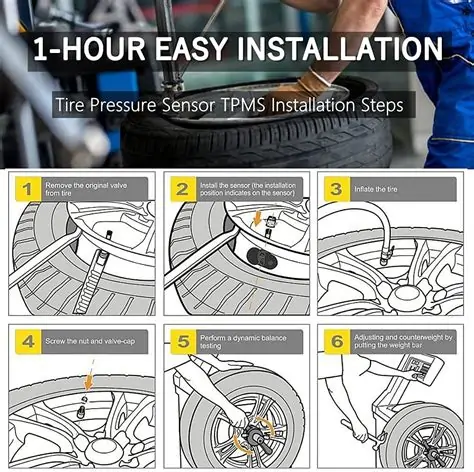
Proper installation of your aftermarket TPMS sensor is vital for accurate readings. Installation often requires:
The use of specialized equipment and possibly recalibration of the vehicle’s onboard computer to ensure accurate sensor communication.
Many garages and automotive specialists are equipped for this type of installation, so don’t hesitate to seek professional help if needed.
Conclusion
Selecting the right aftermarket TPMS sensor can significantly enhance your driving experience by providing accurate, real-time tire pressure data. By considering factors like compatibility, battery life, and cost, you can make an informed decision that prioritizes your vehicle’s safety and performance.
Benefits of installing aftermarket TPMS sensors
Installing aftermarket TPMS sensors can offer numerous advantages for vehicle owners. These sensors are crucial for monitoring tire pressure and ensuring optimal vehicle performance, safety, and fuel efficiency. Below are some of the key benefits associated with using aftermarket TPMS sensors:
- Cost-Effectiveness: Aftermarket TPMS sensors are often more affordable than OEM (Original Equipment Manufacturer) sensors. This can lead to significant savings during tire replacement or maintenance.
- Enhanced Compatibility: Many aftermarket options are designed to be compatible with a wide range of vehicle makes and models, providing flexibility when replacing old or faulty sensors.
- Improved Features: Aftermarket sensors may come equipped with additional features such as better technology for more accurate readings, enhanced durability, and extended battery life.
- Better Performance Tracking: With aftermarket TPMS sensors, users might find more comprehensive data analysis tools, enabling improved monitoring of tire pressure levels over time.
- Convenience in Installation: Aftermarket sensors can often be installed easily without the need for specialized tools, making it an accessible upgrade for many vehicle owners.
- Increased Safety: By ensuring that tire pressure is consistently at optimal levels, aftermarket TPMS sensors can significantly reduce the risk of tire blowouts and improve overall road safety.
Proper tire maintenance not only affects your vehicle’s performance but also your safety on the road. Aftermarket TPMS sensors provide a reliable solution for monitoring tire pressure. – Automotive Expert
In summary, the installation of aftermarket TPMS sensors can lead to enhanced vehicle safety, performance, and cost savings. It is an investment worth considering for any vehicle owner.
Frequently Asked Questions
What are TPMS sensors?
TPMS stands for Tire Pressure Monitoring System. These sensors monitor the air pressure in tires and alert drivers when the pressure drops below a certain threshold.
Why is it important to have TPMS sensors when installing aftermarket wheels?
Having TPMS sensors with aftermarket wheels ensures that your vehicle can accurately monitor tire pressure, enhancing safety and compliance with regulations.
Can aftermarket wheels support TPMS sensors?
Yes, most aftermarket wheels are designed to accommodate TPMS sensors, but it’s important to check compatibility with specific sensor models.
How do you install TPMS sensors on aftermarket wheels?
TPMS sensors can usually be installed by a professional during the wheel installation process. It involves mounting the sensors inside the tire or on the wheel hub.
Do I need to reprogram TPMS sensors after installing aftermarket wheels?
Yes, reprogramming may be necessary to ensure that the vehicle’s onboard computer recognizes the new TPMS sensors after the installation of aftermarket wheels.
What types of TPMS sensors are available for aftermarket wheels?
There are two main types of TPMS sensors: direct sensors, which measure the tire pressure directly, and indirect sensors, which estimate pressure based on wheel speed data.
How can I check if my TPMS sensors are working correctly after installing aftermarket wheels?
You can check if your TPMS sensors are working by looking for warning lights on your dashboard, or by using a TPMS tool to verify sensor functionality.