
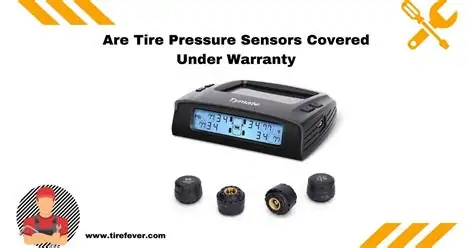
Discover everything about TPMS sensors, including warranties, negotiation tips, aftermarket options, and maintenance best practices for optimal vehicle safety and performance.When it comes to maintaining your vehicle, understanding the nuances of your Tire Pressure Monitoring System (TPMS) is crucial. These sensors play a vital role in ensuring your safety on the road by alerting you to changes in tire pressure. However, a common question among vehicle owners is whether TPMS sensors are covered under warranty. In this blog post, we will delve into the ins and outs of warranty coverage for TPMS sensors, explore manufacturer policies, and discuss options for aftermarket warranties. Additionally, we’ll provide tips on negotiating coverage and best practices for sensor maintenance to help you keep your TPMS in top condition. Whether you’re facing a malfunction or simply looking to maximize your vehicle’s warranty, this guide will empower you with the knowledge you need.
Understanding TPMS sensors
Tire Pressure Monitoring Systems (TPMS) are essential components in modern vehicles, designed to enhance tire safety and vehicle performance. These systems monitor the air pressure within tires and alert the driver when pressure drops below a specific level, which can help prevent accidents caused by tire blowouts.
TPMS sensors are located within each tire and typically use either direct or indirect methods to measure pressure:
- Direct TPMS: This system uses pressure sensors mounted on each tire to monitor air pressure in real-time. If the pressure drops significantly, the sensor sends a warning signal to the vehicle’s onboard computer, triggering a dashboard light.
- Indirect TPMS: Instead of using pressure sensors, this system relies on the vehicle’s ABS (Anti-lock Braking System) to detect differences in tire rotation. If a tire is underinflated, it will rotate at a different speed than the correctly inflated tires, triggering an alert.
Most modern vehicles are equipped with TPMS as part of their safety features, and it’s mandated by law in many countries. The incorporation of TPMS systems helps improve fuel efficiency and prolongs tire life by ensuring tires are properly inflated.
Key benefits of TPMS include:
| Benefit | Description |
|---|---|
| Safety | Reduces the risk of tire blowouts and flat tires. |
| Fuel Efficiency | Improves gas mileage through proper tire inflation. |
| Extended Tire Life | Prevents uneven tire wear and extends the lifespan of tires. |
In summary, understanding TPMS sensors is crucial for maintaining vehicle safety and performance. Regular checks and maintenance of these systems can save drivers from potential hazards and ensure a smooth driving experience.
Manufacturer warranty on TPMS sensors
When it comes to owning a vehicle equipped with TPMS (Tire Pressure Monitoring System) sensors, understanding the warranty coverage provided by manufacturers is crucial. TPMS sensors play a vital role in ensuring your tires are properly inflated, thereby enhancing safety and fuel efficiency. However, not all warranties are created equal, and it is essential to know what to expect from your vehicle’s manufacturer regarding these components.
What Does the Manufacturer Warranty Typically Cover?
Most vehicle manufacturers offer a warranty on TPMS sensors as part of the vehicle’s overall warranty. Generally, the warranty may cover:
- Defects in materials and workmanship during the warranty period.
- Malfunctions caused by issues with the sensor itself.
- Replacement of the sensors if they fail due to manufacturing defects.
Duration of the Warranty
The length of the warranty on TPMS sensors typically varies by manufacturer and is often aligned with the vehicle’s basic warranty period. This can range from:
| Manufacturer | Warranty Period |
|---|---|
| Ford | 3 years/36,000 miles |
| Toyota | 3 years/36,000 miles |
| Honda | 3 years/36,000 miles |
| Chevrolet | 3 years/36,000 miles |
Exclusions from the Warranty
It is important to be aware that not all issues with TPMS sensors will be covered under the manufacturer’s warranty. Common exclusions may include:
- Damage caused by accidents or vandalism.
- Malfunctions resulting from improper installation or modifications.
- Wear and tear due to normal use.
- Battery life, which may be considered a maintenance item and not covered.
Steps to Take if You Experience Issues
If you suspect that your TPMS sensors are not functioning correctly, consider the following steps:
- Check your vehicle’s owner’s manual to understand the specifics of your warranty.
- Contact your dealership or the manufacturer to report the issue.
- Provide any documentation or evidence of the problem, such as warning lights on the dashboard.
Understanding the warranty coverage for your TPMS sensors can save you time and money down the road. Always keep records of your vehicle’s service history and warranty documents to ensure you are prepar
Negotiating TPMS sensor coverage
When purchasing a vehicle, one thing that often doesn’t receive enough attention is the coverage of the TPMS (Tire Pressure Monitoring System) sensors under the vehicle’s warranty. Negotiating the terms of this coverage can be crucial for long-term vehicle maintenance and safety. Here are some key points to consider when negotiating TPMS sensor coverage:
1. Understand Your Warranty Options
Before heading to the dealership or negotiating with a manufacturer, ensure you fully understand the various warranty options available:
- Factory Warranty: Typically covers manufacturing defects but may not extend to wear and tear.
- Extended Warranty: This can cover additional repairs beyond the factory warranty, including some sensor issues.
- Aftermarket Warranty: A third-party option that could offer more comprehensive coverage but may vary in reliability.
2. Clarify What is Covered
Not all TPMS sensors are treated equally under warranty. Make sure to clarify:
| Coverage Type | Description |
|---|---|
| Complete Coverage | Includes repairs and replacements due to defects. |
| Partial Coverage | Only covers specific parts or conditions. |
| No Coverage | Refusal to cover any TPMS sensor issues. |
3. Negotiate the Terms
When you’re at the dealership or speaking to a manufacturer, don’t hesitate to negotiate. Use the following strategies:
- Be Informed: Come prepared with printed information regarding typical costs for TPMS sensor replacements.
- Leverage Other Deals: If you’re negotiating for other warranties or services, use them as leverage to get better terms on your TPMS coverage.
- Ask for Custom Solutions: Depending on your driving habits and conditions, insist on tailored warranties that specifically meet your needs.
4. Review the Documentation
Before finalizing any deal, always review the warranty documentation thoroughly. Look for:
Exclusions: Any limitations or exceptions that may apply to sensor coverage.
Remember, a well-negotiated TPMS sensor warranty can save you money and hassle in the long run, especially given the essential role these sensors play in vehicle safety.
Aftermarket TPMS sensor warranty options
When it comes to maintaining your vehicle’s Tire Pressure Monitoring System (TPMS), understanding the warranty options for aftermarket TPMS sensors is essential. While many car owners rely on the manufacturer’s warranty, there are also a plethora of aftermarket sensors available, each with its own warranty terms.
Types of Warranties Offered
Aftermarket TPMS sensors typically come with one of the following types of warranties:
- Limited Warranty: This warranty covers defects in materials and workmanship, usually for a specified period, such as 1 year or 12,000 miles.
- Lifetime Warranty: Some manufacturers offer a lifetime warranty, covering the sensor as long as the original owner possesses the vehicle.
- Extended Warranty: Aftermarket sensors may also come with the option to purchase an extended warranty, providing additional coverage beyond the standard terms.
Factors Affecting Warranty Coverage
When considering warranty options for aftermarket TPMS sensors, keep in mind the following:
- Installation Method: Warranty coverage may be voided if the sensor is not installed by a certified technician.
- Proof of Purchase: Always retain receipts and documentation that validate the purchase, as this is typically required for warranty claims.
- Usage Guidelines: Adhering to the manufacturer’s guidelines regarding vehicle use and maintenance can affect warranty validity.
Popular Aftermarket TPMS Sensor Brands and Their Warranties
| Brand | Warranty Type | Coverage Period |
|---|---|---|
| Sensor Brand A | Limited Warranty | 1 Year / 12,000 miles |
| Sensor Brand B | Lifetime Warranty | Lifetime |
| Sensor Brand C | Extended Warranty | Up to 3 Years |
Concluding Thoughts
When choosing aftermarket TPMS sensors, it is crucial to thoroughly review the warranty options available, considering factors such as installation, proof of purchase, and adherence to guidelines. Selecting a reputable brand can lead to greater peace of mind and longer-lasting performance for your TPMS system.
Best practices for TPMS sensor maintenance
Maintaining your TPMS sensors (Tire Pressure Monitoring System sensors) is crucial for ensuring accurate tire pressure readings and overall vehicle safety. Here are some best practices to keep your TPMS sensors in optimal condition:
1. Regular Inspections
- Check your tire pressures regularly, at least once a month.
- Inspect the TPMS sensors visually for any signs of damage or corrosion.
2. Tire Rotation
As part of your regular tire maintenance, include tire rotation every 5,000 to 8,000 miles. This practice not only extends the life of your tires but also ensures that TPMS sensors function correctly in different positions.
3. Battery Replacement
Most TPMS sensors have a built-in battery that may need replacement after a certain period. Typically, these batteries last between 5 to 10 years. Watch out for:
- Warning lights on the dashboard indicating low tire pressure.
- Frequent alerts, which may signal battery issues in the sensors.
4. Sensor Cleaning
Keep the TPMS sensors clean by removing any debris, dirt, or buildup that may accumulate over time. Use a soft cloth or brush to avoid damaging the sensor.
5. Professional Calibration
If you replace tires or sensors, ensure that they are properly calibrated by a professional. Improper installation can lead to malfunctioning sensors, which may not provide accurate readings.
6. Adequate Tire Pressure Management
Maintaining proper tire pressure is essential for longevity and performance. Refer to your vehicle’s manual for recommended tire pressure levels and use a reliable gauge to keep them in check.
7. Monitor for Warning Lights
Pay attention to any warning lights on your dashboard. If the TPMS warning light illuminates, investigate immediately to prevent potential tire damage.
By following these best practices, you can ensure that your TPMS sensors operate efficiently, promoting safer driving and better fuel efficiency.
Frequently Asked Questions
What does TPMS stand for?
TPMS stands for Tire Pressure Monitoring System, which helps monitor the air pressure inside the tires.
Are TPMS sensors typically covered under vehicle warranties?
TPMS sensors are often covered under the manufacturer’s warranty, but coverage can vary depending on the make, model, and duration of the warranty.
What can void the warranty on TPMS sensors?
Modifications to the vehicle’s tire system, improper handling, or damages caused by neglect can potentially void the warranty on TPMS sensors.
How do I find out if my TPMS sensors are under warranty?
You can check your vehicle’s warranty information in the owner’s manual or contact your dealership for specific details regarding TPMS sensor coverage.
What is the typical lifespan of a TPMS sensor?
Most TPMS sensors last between 5 to 10 years; however, their lifespan can also depend on usage and conditions.
What should I do if my TPMS sensor fails?
If your TPMS sensor fails, you should consult a professional mechanic or your dealership to get it diagnosed and possibly replaced.
Can I replace a broken TPMS sensor myself?
While it’s possible to replace a broken TPMS sensor yourself, it is recommended to have a professional handle it to ensure proper installation and calibration.