
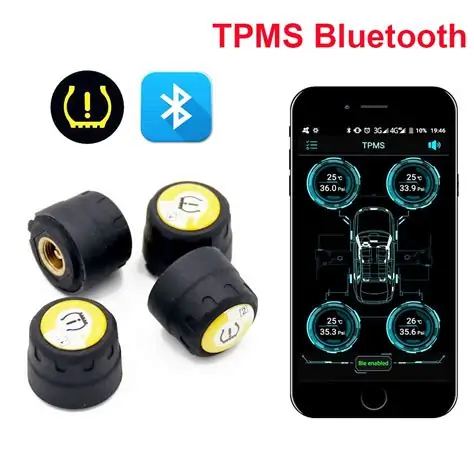
Discover the functionality, benefits, and installation of Bluetooth TPMS sensors, along with troubleshooting tips to maximize vehicle safety and performance.In the age of smart technology, keeping your vehicle in top condition has never been easier, thanks to Bluetooth Tire Pressure Monitoring System (TPMS) sensors. These innovative devices offer real-time insights into your tire pressure, enhancing your vehicle’s safety and efficiency. As tire maintenance is crucial for optimal performance and fuel economy, understanding how Bluetooth TPMS sensors work, their benefits, and how to select and install the right one can be invaluable. In this blog post, we will explore the ins and outs of Bluetooth TPMS sensors, providing you with expert tips on troubleshooting common issues. Join us as we delve into this essential technology that not only offers convenience but also peace of mind on the road.
How do Bluetooth TPMS sensors work?
Bluetooth TPMS (Tire Pressure Monitoring System) sensors are innovative devices designed to monitor the tire pressure of your vehicle. They operate on the principles of wireless technology, providing accurate real-time data about tire conditions. Here’s how they work:
1. Sensor Installation
Bluetooth TPMS sensors are typically installed in each tire’s valve stem. Once installed, they measure the tire pressure and temperature.
2. Data Collection
The sensors continuously gather data every few seconds. They check for any significant changes in tire pressure and temperature, which are crucial for vehicle safety and performance.
3. Bluetooth Transmission
When the sensors detect any irregularities, they transmit the data through Bluetooth technology to a centralized device, such as a dashboard display or a smartphone app. This allows for easy monitoring of tire conditions without the need for traditional wiring or complex setups.
4. Real-time Alerts
If the tire pressure falls below or rises above a predefined threshold, the system issues real-time alerts to the driver. This can be in the form of visual signals on the dashboard or notifications on a mobile device, enabling quick actions to prevent tire blowouts or safety issues.
5. Battery Life
Most Bluetooth TPMS sensors are battery-operated and designed to last several years. They have low energy consumption, allowing them to continuously monitor the tire conditions without frequent battery replacements.
6. Integration with Vehicles
Many vehicles equipped with TPMS integrate seamlessly with Bluetooth technology. This ensures that drivers have access to accurate and immediate information concerning their tire health, enhancing overall driving safety.
Key Benefits of Bluetooth TPMS
- Real-time monitoring: Constantly tracks and reports tire conditions.
- Improved safety: Alerts drivers to potential risks from under-inflated tires.
- Convenience: Provides information directly to devices, eliminating the need for manual checks.
Overall, Bluetooth TPMS sensors serve as an essential tool for vehicle safety, utilizing cutting-edge technology to keep drivers informed about their tire conditions, thereby preventing potential hazards.
Benefits of using Bluetooth TPMS sensors
Bluetooth TPMS (Tire Pressure Monitoring System) sensors have revolutionized the way vehicle owners monitor tire pressure. Unlike traditional systems, Bluetooth TPMS sensors offer a range of benefits that enhance safety, convenience, and efficiency. Below are some of the key advantages of using these advanced sensors:
- Real-Time Monitoring: Bluetooth TPMS sensors provide real-time data about tire pressure directly to your smartphone or dashboard display. This feature allows drivers to keep an eye on their tire conditions, minimizing the risk of accidents caused by tire failure.
- Convenience: With Bluetooth connectivity, drivers can easily pair their sensors with mobile devices. This means accessing information about tire pressure is just a tap away, making monitoring much easier than traditional gauge checks.
- Cost-Effective: Although the initial investment for Bluetooth TPMS sensors may be higher than standard models, the long-term savings in fuel efficiency and tire wear can make them a cost-effective choice for drivers who prioritize proper tire maintenance.
- Alerts and Notifications: Many Bluetooth TPMS systems offer customizable alerts that notify the driver of significant changes in tire pressure. This proactive approach can prevent damage and extend tire life.
- Easy Installation: Most Bluetooth TPMS sensors can be easily installed on your vehicle without professional assistance, saving you time and money. This DIY aspect appeals to many automotive enthusiasts.
- Enhanced Safety: By maintaining optimal tire pressure, drivers can improve vehicle stability and handling. Properly inflated tires reduce the likelihood of blowouts and enhance overall driving comfort.
- Integration with Vehicle Systems: Some advanced Bluetooth TPMS sensors can seamlessly integrate with the vehicle’s onboard computer systems, providing comprehensive diagnostics and maintenance signals to the driver.
In summary, the benefits of using Bluetooth TPMS sensors are hard to ignore. From real-time monitoring and notifications to cost savings on tire maintenance, these sensors provide a superior solution for tire pressure management. Being proactive about tire health not only enhances safety but also contributes to better fuel efficiency and vehicle longevity.
Choosing the best Bluetooth TPMS sensor
When it comes to maintaining your vehicle’s safety and performance, one key component is the TPMS (Tire Pressure Monitoring System). Among various options available in the market, Bluetooth TPMS sensors stand out due to their convenience and enhanced features. To help you make an informed decision, let’s explore the essential factors for choosing the best Bluetooth TPMS sensor.
Key Features to Consider
- Accuracy: Ensure the sensor provides real-time pressure readings with minimal deviation from the actual tire pressure.
- Range: Look for sensors that offer a good range of communication, ideally at least 30 feet, to ensure connectivity.
- Battery Life: A long-lasting battery is crucial for reducing maintenance. Look for a sensor that boasts at least 2-5 years of battery life.
- Compatibility: Make sure the TPMS sensor is compatible with your vehicle model. Some sensors work only with specific makes or models.
- App Integration: Check if the sensor connects seamlessly with a smartphone app for easy monitoring and alerts.
Brand Reputation
Opt for brands that have a proven track record in the automotive industry. Research customer reviews and ratings to gauge the reliability of different sensor brands. Consider brands known for their excellent customer support and warranties.
Price vs. Quality
While it may be tempting to choose a lower-priced option, ensure that you evaluate the value it offers. Sometimes, investing a bit more in a high-quality sensor can save you money in the long run by preventing costly tire-related issues.
Installation Process
Some Bluetooth TPMS sensors are designed for easy installation, allowing DIY enthusiasts to set them up without professional help. Check for sensors that come with clear installation instructions or consider those that require minimal tools.
In summary, when choosing the best Bluetooth TPMS sensor, prioritize key features, brand reputation, price versus quality, and ease of installation. Making the right choice can significantly enhance your vehicle’s performance and safety while providing you peace of mind on the road.
Installing Bluetooth TPMS sensors on your vehicle
Installing Bluetooth TPMS sensors on your vehicle can enhance safety and improve fuel efficiency by helping you monitor tire pressure in real-time. Here’s a detailed guide on how to install these sensors:
What You Need
- Bluetooth TPMS sensor kit
- Tire pressure gauge (for reference)
- Ratcheting or socket wrench
- Torque wrench (if necessary for your vehicle)
- Owner’s manual for your vehicle
Step-by-Step Installation
- Turn Off the Vehicle: Start by ensuring your vehicle is turned off and parked on a flat surface.
- Remove the Valve Stems: Use the socket wrench to carefully remove the existing valve stems from each tire.
- Install the Sensors:
Follow the manufacturer’s instructions. Generally, you’ll screw the Bluetooth TPMS sensors onto the valve stems, ensuring a snug fit. Do not overtighten to avoid damage. - Check Tire Pressure: Use a tire pressure gauge to check and adjust the tire pressure to the recommended level.
- Link the Sensors to Your Device: Download the TPMS app recommended by the sensor manufacturer. Pair your Bluetooth TPMS sensors with your smartphone or vehicle display by following the app’s instructions.
- Test the System: Start your vehicle and ensure that the app is receiving data from the sensors. Check for any alerts regarding tire pressure.
Tips for Successful Installation
- Always replace sensors in pairs to maintain balanced performance.
- Regularly check the battery levels of the sensors to ensure they operate correctly.
- Refer to your vehicle’s owner’s manual for any specific installation instructions.
Final Thoughts
Properly installing Bluetooth TPMS sensors is crucial for maintaining tire health and safety on the road. If you’re unsure about any step in the process, don’t hesitate to consult a professional.
Troubleshooting Bluetooth TPMS sensor issues
Bluetooth TPMS sensors are essential for monitoring your vehicle’s tire pressure effectively. However, like any technology, they may encounter issues from time to time. Below are some common problems you might face, along with troubleshooting tips to help you resolve them.
Common Issues with Bluetooth TPMS Sensors
- No Connection – Your sensor fails to connect with the vehicle’s onboard system.
- Inaccurate Readings – The sensor may report incorrect tire pressure or temperature.
- Battery Issues – Low battery life can affect sensor performance.
- Faulty Sensor – The sensor can become damaged, leading to complete failure.
Troubleshooting Steps
Follow these steps to troubleshoot your Bluetooth TPMS sensors:
1. Check Connections
Ensure your Bluetooth is enabled on your vehicle’s dashboard and that the sensor is properly paired. If needed:
- Unpair the device and pair it again to reset the connection.
- Ensure there are no interruptions from other devices using Bluetooth.
2. Inspect Sensor Position
Sometimes physical obstructions can affect sensor readings:
- Check if the sensors are properly mounted on the tire valve.
- Ensure that there’s no debris blocking the signal.
3. Replace Batteries
If the sensor is not responding, it may need a new battery:
- Consult your user manual for battery replacement instructions.
- Replace the battery with an exact match to avoid performance issues.
4. Re-calibrate the Sensors
Re-calibration can often solve issues with inaccurate readings:
- Turn off the vehicle and restart it to reset the system.
- Manually set the tire pressures to the recommended levels.
5. Professional Assistance
If your issues persist, it might be time to consult a professional:
- Visit a certified mechanic or tire specialist who can diagnose complex problems.
- Consider replacing the sensor if it is found to be faulty.
Conclusion
Regular maintenance of your Bluetooth TPMS sensors will enhance their performance and longevity. By following these troubleshooting tips, you can ensure that your vehicle remains safe and road-ready.
Frequently Asked Questions
What are Bluetooth TPMS sensors?
Bluetooth TPMS sensors are tire pressure monitoring systems that utilize Bluetooth technology to wirelessly transmit tire pressure data to a display, such as a smartphone or dashboard.
How do Bluetooth TPMS sensors work?
Bluetooth TPMS sensors monitor tire pressure and temperature through sensors placed inside the tires, sending real-time data to a connected device via Bluetooth.
What are the benefits of using Bluetooth TPMS sensors?
Benefits include real-time monitoring of tire pressure, alerts for low pressure, enhanced safety, improved fuel efficiency, and convenience of data retrieval through a smartphone app.
Can Bluetooth TPMS sensors be installed on any vehicle?
Most Bluetooth TPMS sensors can be installed on a wide range of vehicles, but it’s important to check compatibility with your specific make and model.
How do I install Bluetooth TPMS sensors?
Installation typically involves replacing the existing valve stems in the tires with the Bluetooth sensors and pairing them with a mobile app for setup and monitoring.
Do Bluetooth TPMS sensors require batteries?
Yes, Bluetooth TPMS sensors usually have batteries that need to be replaced periodically, and battery life can vary based on the manufacturer and usage.
What should I do if my Bluetooth TPMS sensors alert me?
If you receive an alert from your Bluetooth TPMS sensors, check the tire pressures as indicated, inflate any under-inflated tires to the recommended levels, and inspect for leaks or damage if necessary.