
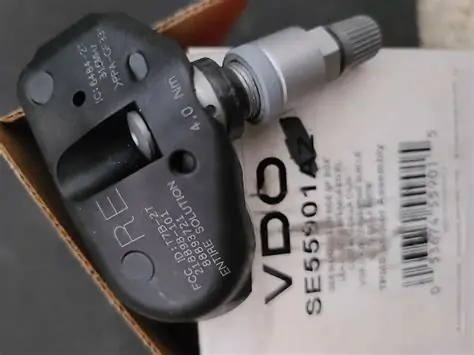
Learn about TPMS sensors, signs of malfunction, replacement costs, DIY vs professional options, and the benefits of timely sensor replacement for vehicle safety.When it comes to maintaining your vehicle, ensuring that your Tire Pressure Monitoring System (TPMS) is in good working order is crucial for safety and performance. TPMS sensors play a vital role in helping you monitor tire pressure, preventing issues like under-inflation and blowouts. Unfortunately, these sensors can malfunction over time, leading to warning lights and potential safety hazards. In this blog post, we’ll delve into the common signs of sensor malfunction, the costs associated with replacing these critical components at Costco, and the benefits of timely sensor replacement. We’ll also explore the pros and cons of DIY versus professional replacement, helping you make an informed decision for your vehicle’s maintenance needs. Whether you’re a seasoned car enthusiast or a casual driver, understanding your TPMS sensors is key to ensuring a safe and enjoyable driving experience.
Understanding TPMS Sensors
A Tire Pressure Monitoring System (TPMS) is a vital safety feature found in modern vehicles. It helps monitor the air pressure in your tires and alerts you when the pressure falls below the recommended level. Understanding how these sensors work can save you time, money, and enhance your driving safety.
There are two main types of TPMS:
- Direct TPMS: This system uses sensors located inside the tire to measure the pressure accurately. These sensors communicate wirelessly with the vehicle’s onboard computer and provide real-time data.
- Indirect TPMS: This system does not have dedicated pressure sensors. Instead, it relies on the vehicle’s ABS (Anti-lock Braking System) to monitor tire rotation speeds. If a tire is under-inflated, it rotates at a different speed than properly inflated tires, triggering a warning light.
Regardless of the type, TPMS sensors are crucial for ensuring optimal performance and safety. Regularly checking your tire pressure and ensuring your sensors are functional is essential for a safe driving experience.
Knowing the importance of these sensors can not only prevent accidents but also improve fuel efficiency and extend the life of your tires. If you notice a problem with your TPMS, addressing it promptly can lead to significant long-term benefits.
In short, TPMS sensors play an essential role in modern vehicle safety, making it crucial for drivers to understand their function and importance.
Signs of Sensor Malfunction
When it comes to maintaining the safety and performance of your vehicle, TPMS (Tire Pressure Monitoring System) sensors play a crucial role. Recognizing the signs of sensor malfunction can prevent costly tire damage and ensure optimal driving conditions. Here are some key indicators that your TPMS sensors may be failing:
- Warning Light Activation: One of the most immediate signs of a malfunction is the activation of the TPMS warning light on your dashboard. This light alerts you to potential issues with tire pressure or the sensors themselves.
- Inaccurate Tire Pressure Readings: If you notice that the tire pressure readings displayed on your dashboard do not match the actual pressure in your tires (checked using a gauge), this may indicate a sensor issue.
- Frequent Warning Light Flickering: If the TPMS light frequently flickers on and off, or if it stays on continuously, this could be a sign of a malfunctioning sensor.
- Delayed Response Time: A sluggish or delayed response when checking tire pressures can also signal that the sensors are struggling to communicate properly with the vehicle’s onboard system.
- Physical Damage: Inspect your tires for any visible damage to the sensor, such as cracks or corrosion. Physical damage can directly affect the sensor’s performance.
If you notice any of these symptoms, it’s important to address the issue promptly. Ignoring signs of sensor malfunction could lead to poor tire performance, reduced fuel efficiency, and unsafe driving conditions.
A well-functioning TPMS is essential for maintaining tire health and ensuring driver safety. – Tire Safety Experts
Cost of Sensor Replacement
When it comes to maintaining your vehicle’s safety features, TPMS (Tire Pressure Monitoring System) sensors play a vital role. Understanding the cost of sensor replacement can help you budget and ensure your vehicle operates efficiently.
The cost of replacing TPMS sensors can vary based on several factors, including:
- Type of Vehicle: Different vehicles may require different types of sensors, leading to varying costs.
- Sensor Brand and Quality: OEM (Original Equipment Manufacturer) sensors tend to be more expensive than aftermarket options.
- Labor Costs: If you choose to have the replacement done at a shop, labor charges can significantly affect the total cost.
- Location: Prices can differ based on geographical location due to differences in labor rates and part availability.
On average, the cost of TPMS sensor replacement can range from $50 to $200 per sensor, including parts and labor. Below is a breakdown of potential costs:
| Item | Estimated Cost |
|---|---|
| OEM TPMS Sensor | $100 – $200 |
| Aftermarket TPMS Sensor | $50 – $100 |
| Labor Cost (Shop Installation) | $20 – $50 per sensor |
It’s important to note that many vehicles require a reprogramming of the TPMS system after sensor replacement, which may incur additional costs. Always consult with a professional to understand the specific requirements for your vehicle.
DIY replacements can save you money if you possess the necessary skills and tools. However, ensure that you follow the manufacturer’s guidelines to avoid any issues. Ultimately, having a functioning TPMS is crucial for your safety on the road, making it a worthwhile investment to maintain your vehicle’s integrity.
DIY vs Professional Replacement
When it comes to TPMS sensor replacement, vehicle owners often face a dilemma: should they tackle the task themselves or seek the services of a professional? Both options have their advantages and disadvantages, and understanding them can help you make an informed decision.
DIY Replacement
Many car enthusiasts and mechanics choose to replace TPMS sensors themselves for several reasons:
- Cost Savings: DIY replacement can save you significant money on labor costs.
- Convenience: You can work at your own pace and on your own schedule.
- Learning Experience: It’s an opportunity to gain hands-on experience and knowledge about your vehicle.
However, there are challenges associated with a DIY approach:
- Tools Required: Proper tools are necessary, and some specialty equipment can be costly.
- Technical Knowledge: A certain level of expertise is required to ensure proper installation.
- Tire Handling: If you are not experienced with tire removal and installation, you may risk damaging the tires or wheels.
Professional Replacement
On the other hand, opting for professional TPMS sensor replacement offers its own set of benefits:
- Expertise: Professionals have the experience and training to ensure that the job is done correctly.
- Warranty: Many services offer warranties on their work, giving you peace of mind.
- Time-Saving: Professionals can typically complete the job more quickly than the average DIYer.
That said, there are also some drawbacks:
- Cost: Professional services can be costly, especially if your vehicle has multiple sensors.
- Dependence: You are reliant on someone else’s schedule and availability.
- Less Involvement: You miss out on a learning opportunity if you hand over the keys.
Cost Considerations
Considering the costs associated with both methods is crucial. Average costs for professional TPMS replacement can range from $100 to $300 depending on the service and location, while DIY sensor kits can often be found for around $50 to $150.
In summary, whether you choose DIY or go with a professional for your TPMS sensor replacement, it’s essential to weigh the factors based on your personal skills, budget, and time available.
Benefits of Timely Replacement
Replacing your TPMS (Tire Pressure Monitoring System) sensors in a timely manner can lead to numerous benefits that enhance your vehicle’s performance and safety. Here are some key advantages of ensuring that your TPMS sensors are functioning properly:
- Improved Safety: Operating with properly functioning TPMS sensors helps maintain the correct tire pressure, reducing the risk of blowouts and accidents caused by under-inflated tires.
- Enhanced Fuel Efficiency: Timely replacement of malfunctioning TPMS sensors can lead to better tire pressure management, which in turn contributes to improved fuel economy. Properly inflated tires ensure your vehicle runs efficiently.
- Prolonged Tire Life: When tire pressures are consistently monitored and maintained, it leads to even wear of the tires, extending their lifespan and saving you money in the long run.
- Increased Vehicle Performance: Adequate tire pressure maximizes the grip and handling capabilities of your tires, enhancing the overall driving experience and performance of your vehicle.
- Cost Savings: Timely replacement of TPMS sensors can prevent more significant issues down the road, thus saving you from incurring higher repair costs and those associated with premature tire wear.
As with many vehicle components, proactive maintenance can not only ensure safe driving but also enhance the overall efficiency and longevity of your vehicle. Ignoring TPMS sensor malfunctions can lead to dire consequences, making timely replacement essential for any vehicle owner.
Frequently Asked Questions
What is a TPMS sensor?
A TPMS (Tire Pressure Monitoring System) sensor is a device that monitors the air pressure in your vehicle’s tires and provides alerts to the driver if the pressure falls below recommended levels.
Why would I need to replace my TPMS sensor?
You may need to replace your TPMS sensor if it is malfunctioning, if the battery is dead (most sensors have a lifespan of 5-10 years), or if the sensor was damaged during tire service or replacement.
How do I know if my TPMS sensor is faulty?
A warning light on your dashboard indicating low tire pressure, inconsistent tire pressure readings, or inability to reset the TPMS system can all indicate that your TPMS sensor may be faulty.
Can I replace a TPMS sensor myself?
While it is possible to replace a TPMS sensor yourself, it typically requires specific tools and knowledge, such as recalibrating the system after installation; many people opt to have it done at a tire shop for professional handling.
How much does a TPMS sensor replacement cost at Costco?
The cost of replacing a TPMS sensor at Costco varies depending on the sensor and services provided, but it typically ranges from $50 to $100 per sensor, including installation.
Do I need to replace all TPMS sensors if only one is faulty?
It is not necessary to replace all TPMS sensors if only one is faulty; however, it’s advisable to replace them in pairs or all four at the same time if they are old, to maintain consistent performance.
What is the warranty on TPMS sensors purchased from Costco?
Costco offers a warranty on TPMS sensors that typically covers defects in materials and workmanship; specific terms can vary, so it’s best to check with Costco for their current warranty policy.