
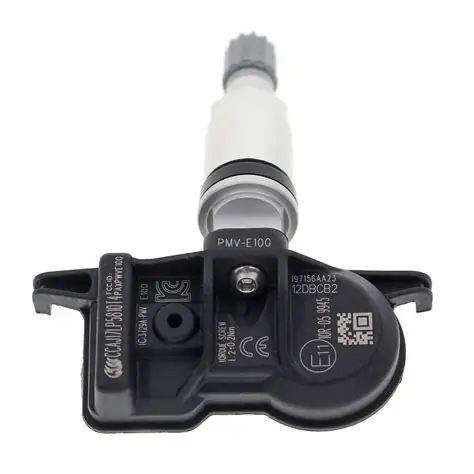
Discover the importance of TPMS sensors, their benefits, available options at Costco, installation process, and essential maintenance tips for optimal performance.When it comes to keeping your vehicle safe and efficient, tire maintenance plays a crucial role. One of the best tools for ensuring optimal tire health is the Tire Pressure Monitoring System (TPMS) sensors. These innovative devices help monitor tire pressure in real-time, alerting drivers to any irregularities that could lead to accidents or decreased performance. In this blog post, we’ll explore the essential aspects of TPMS sensors, including their benefits, the range of options available at Costco, and how you can easily have them installed. We’ll also provide you with some maintenance tips to ensure your TPMS sensors operate smoothly for years to come. Whether you’re a seasoned driver or new to the road, understanding and utilizing TPMS sensors can help you enjoy safer and more efficient travels.
What are TPMS sensors?
Tire Pressure Monitoring System (TPMS) sensors are advanced devices that are designed to monitor the air pressure inside your vehicle’s tires. These sensors play a crucial role in maintaining optimal tire performance and safety by constantly checking the tire pressure and alerting the driver if it falls below a certain threshold.
There are two main types of TPMS:
- Direct TPMS: This system uses sensors located inside each tire to measure the air pressure directly. The data is transmitted to the vehicle’s onboard computer, which alerts the driver of any tire pressure issues.
- Indirect TPMS: Instead of measuring tire pressure directly, this system utilizes the vehicle’s ABS (Anti-lock Braking System) sensors to monitor the speed of each tire. If a tire is under-inflated, it will rotate at a different speed than the others, triggering a warning light.
TPMS sensors are not just about convenience; they are essential for safety. Driving on under-inflated tires can lead to decreased fuel efficiency, increased tire wear, and a higher risk of tire blowouts. By utilizing TPMS technology, drivers can ensure their tires are always at the correct pressure, reducing the likelihood of accidents caused by tire failure.
In addition to enhancing safety, TPMS sensors contribute to better fuel economy and longer tire life. Regular monitoring through these systems can alert drivers to maintenance needs before they become serious issues, thus saving money in the long run.
Whether you’re driving a passenger vehicle, truck, or SUV, understanding the importance of TPMS sensors is essential for every driver. They provide peace of mind knowing that your tires are properly inflated and ready for the road.
Benefits of using TPMS sensors
Tire Pressure Monitoring System (TPMS) sensors play a crucial role in enhancing vehicle safety and performance. Here are several benefits of using these sensors:
- Improved Safety: TPMS sensors help monitor tire pressure in real-time, alerting drivers to under-inflated tires, which can lead to blowouts or accidents.
- Increased Fuel Efficiency: Properly inflated tires reduce rolling resistance, leading to better fuel economy. TPMS can help you maintain optimal tire pressure, saving you money on gas.
- Extended Tire Life: Maintaining the right tire pressure can significantly extend the lifespan of your tires. TPMS sensors help you avoid uneven wear and tear on the tires.
- Environmental Benefits: By ensuring tires are properly inflated, TPMS can contribute to lower carbon emissions, as a vehicle with correctly inflated tires uses less fuel.
- Convenience: Many modern vehicles come equipped with TPMS, eliminating the need for manual checks and adding convenience to your routine.
In summary, the integration of TPMS sensors into your vehicle not only enhances safety but also contributes to cost savings and vehicle longevity.
Costco’s TPMS sensor options
Tire Pressure Monitoring Systems (TPMS) sensors are essential for maintaining optimal tire pressure, which significantly impacts vehicle safety and efficiency. At Costco, you can find a variety of TPMS sensor options suitable for different vehicle makes and models. Below is an overview of the TPMS sensor options available at Costco.
Types of TPMS Sensors Available at Costco
| Sensor Type | Description | Key Features |
|---|---|---|
| Direct TPMS Sensors | These sensors are mounted inside the tire and directly measure the air pressure. |
|
| Indirect TPMS Sensors | These systems calculate tire pressure based on wheel speed and the ABS system. |
|
| Universal TPMS Sensors | Compatible with various vehicle types and brands. |
|
Brands Offered
Costco stocks several reputable brands known for their quality and reliability. Some of these include:
- Schrader
- ACDelco
- Continental
Buying Tips
When choosing a TPMS sensor from Costco, consider the following tips:
- Check compatibility with your vehicle model.
- Look for features like battery life and warranty.
- Consider whether you need direct or indirect sensors based on your driving habits.
By selecting the right TPMS sensor from Costco, you can ensure your vehicle remains safe and efficient. Remember, maintaining proper tire pressure can improve fuel efficiency and extend tire lifespan.
Installation process at Costco
When it comes to maintaining your vehicle’s safety and performance, TPMS sensors (Tire Pressure Monitoring System sensors) play a critical role. If you’re considering having TPMS sensors installed, Costco provides a reliable and accessible option. Here’s a detailed look at the installation process at Costco.
Step-by-Step Installation Process
- Schedule an Appointment: Before heading to Costco, make sure to check if your local Costco carries TPMS sensors and schedule an appointment for installation.
- Check in at the Tire Center: Upon arrival, proceed to the Tire Center, where a trained technician will assist you. Ensure you have your vehicle’s information handy, like make, model, and year.
- Sensor Selection: If you haven’t purchased the sensors yet, the technicians at Costco can help you select the appropriate TPMS sensors for your vehicle. They commonly offer both OEM and aftermarket options.
- Your Current Tires: Before installation, the technicians will assess your current tires to determine if any additional services, such as tire rotation or replacement, are necessary.
- Installation: The installation itself is straightforward. Technicians will remove the wheels, replace the existing sensors (if required), and recalibrate the system to ensure accurate readings. This process typically involves:
- Removing the tire from the rim.
- Replacing the TPMS sensor inside the tire.
- Rebalancing the tire after installation.
- Calibration: After the new sensors are in place, the system must be calibrated. This step ensures that the vehicle’s onboard computer recognizes the new sensors and provides accurate tire pressure readings.
- Final Inspection: Once installation is complete, the technician will perform a final inspection to ensure that everything is in proper working order. They will also run a diagnostic check on your vehicle’s TPMS.
- Drive Away Safely: After a successful installation and calibration, you will receive a summary of the work done along with any recommendations for maintenance.
Additional Tips
When getting TPMS sensors installed at Costco, consider the following:
- Warranty Options: Ask about warranty options for the sensors and installation services.
- Regular Maintenance: It’s wise to have regular checks on your TPMS system to ensure everything functions correctly.
- Costco Membership: Remember that you need a Costco membership to access their tire and installation services.
By opting for TPMS sensor installation at Costco, you can be confident in the quality of service and products used, ensuring your vehicle remains safe on the road.
Maintenance tips for TPMS sensors
Maintaining your TPMS (Tire Pressure Monitoring System) sensors is crucial for ensuring their longevity and functionality. Here are some essential tips to keep your TPMS sensors in top shape:
- Regularly Check Tire Pressure: Make it a habit to monitor your tire pressure monthly. Ensure that the pressure aligns with the manufacturer’s recommended levels, usually found in the owner’s manual or on a sticker inside the driver’s side door.
- Monitor Sensor Performance: If your TPMS light illuminates on the dashboard, it could indicate a malfunction or low tire pressure. Pay attention to warning signals and address them immediately.
- Inspect for Damage: Periodically check your tires and sensors for any visible signs of damage or wear. If you notice any cracks, leaks, or loose connections, it’s best to consult a professional.
- Battery Replacement: Most TPMS sensors come with batteries that must be replaced every 5 to 10 years. Check the manufacturer’s recommendations for your specific sensors to ensure optimal performance.
- Proper Installation: If you’re installing new sensors, ensure that they are installed correctly. Incorrect installation can lead to malfunctions and inaccurate readings.
- Calibration: After rotating your tires or replacing a sensor, recalibrate the TPMS system to guarantee that it provides accurate readings. This is often done automatically but can require manual intervention in some systems.
- Professional Assistance: If you suspect any issues with your TPMS sensors, don’t hesitate to seek help from automotive professionals. They can diagnose and fix problems quickly, ensuring your safety on the road.
By following these maintenance tips, you can ensure that your TPMS sensors function efficiently, providing you with accurate tire pressure readings and enhancing your driving safety.
Frequently Asked Questions
What are TPMS sensors?
TPMS stands for Tire Pressure Monitoring System, which consists of sensors that monitor the air pressure within tires and alert the driver when pressure gets too low.
Why are TPMS sensors important?
TPMS sensors are important for safety and fuel efficiency, as improperly inflated tires can lead to accidents, increased tire wear, and reduced gas mileage.
Can I buy TPMS sensors at Costco?
Yes, Costco typically offers a range of automotive products, including TPMS sensors, both online and in-store.
How much do TPMS sensors generally cost at Costco?
The price of TPMS sensors at Costco can vary depending on the brand and type, but they often range from $30 to $100 for a set.
Do I need to have TPMS sensors installed professionally?
While some car owners may choose to install TPMS sensors themselves, it is recommended to have them professionally installed and calibrated to ensure proper functioning.
How often should I replace my TPMS sensors?
TPMS sensors typically last between 5 to 10 years, but you should check them regularly and replace them if they show signs of malfunction or if the batteries are dead.
What should I do if my TPMS warning light is on?
If the TPMS warning light is on, check your tire pressures first. If all tires are adequately inflated, the sensor itself may be faulty and should be inspected or replaced.