
Discover the significance, benefits, and costs of TPMS sensors along with their integration with new wheels for enhanced vehicle safety and performance.When upgrading your wheels, one question that often arises is whether you need to install Tire Pressure Monitoring System (TPMS) sensors. These small devices play a critical role in monitoring tire pressure and ensuring your safety on the road. In this blog post, we’ll delve into the essentials of TPMS sensors, exploring their importance and the numerous benefits they offer for both safety and vehicle performance. We’ll also discuss the relationship between new wheels and TPMS sensors, along with the costs associated with these devices. Whether you’re a seasoned car enthusiast or a casual driver upgrading your wheels for aesthetic appeal, understanding TPMS sensors is crucial for maintaining your vehicle’s health and optimizing your driving experience. Let’s get started!
Understanding TPMS Sensors
Tire Pressure Monitoring System (TPMS) sensors are essential components of modern vehicles, ensuring optimal tire pressure for safety and performance. These sensors continuously monitor the air pressure inside the tires and send real-time data to the vehicle’s onboard computer.
There are two main types of TPMS sensors: direct and indirect. Direct TPMS sensors measure the actual air pressure in each tire, providing accurate readings. Indirect TPMS sensors, on the other hand, estimate tire pressure based on wheel speed sensors, which can be less precise. Understanding these types is crucial when considering new wheels and their compatibility with TPMS.
How TPMS Sensors Work
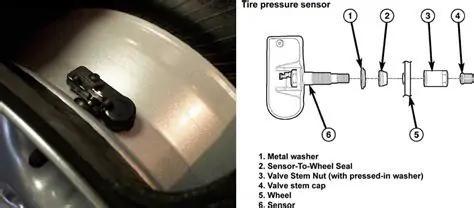
TPMS sensors are typically equipped with a small battery, pressure sensor, and radio transmitter. When the tire pressure drops below a certain threshold, the sensor activates and transmits a warning signal to the driver. This function is key in preventing tire blowouts and improving fuel efficiency.
Importance of TPMS Sensors
Having functioning TPMS sensors is vital for maintaining safe driving conditions. When tires are properly inflated, they ensure better traction, handling, and fuel economy. According to safety organizations, driving with under-inflated tires can lead to increased wear and potential accidents.
Benefits of TPMS Sensors
- Improved Safety: Reduces the risk of tire blowouts.
- Enhanced Fuel Efficiency: Properly inflated tires can improve fuel mileage.
- Longer Tire Life: Regular monitoring prevents premature wear and tear.
Compatibility with New Wheels
When purchasing new wheels, it’s important to consider whether they are compatible with your vehicle’s TPMS. Most aftermarket wheels can accommodate TPMS sensors, but it’s essential to check with the manufacturer for compatibility. Ensuring that your TPMS system functions correctly with new wheels is key to maintaining tire pressure monitoring.
Cost and Maintenance of TPMS Sensors
While the cost of replacing or servicing TPMS sensors may vary, it’s an investment that contributes to overall vehicle safety. Regular checks and battery replacements are necessary to ensure the sensors function correctly.
In summary, understanding TPMS sensors is critical for anyone looking to maintain their vehicle’s safety and performance, especially when considering new wheels.
Importance of TPMS Sensors
The Tire Pressure Monitoring System (TPMS) sensors play a crucial role in enhancing vehicle safety and performance. These sensors are designed to monitor the air pressure inside your tires in real-time, ensuring that they remain within the recommended range for optimal driving conditions.
Below are some of the key reasons why TPMS sensors are so important:
- Improved Safety: Under-inflated tires can lead to reduced traction, longer stopping distances, and an increased risk of blowouts. TPMS sensors alert you when tire pressure is low, allowing for timely adjustments.
- Fuel Efficiency: Properly inflated tires contribute to better fuel economy. When tires are inflated as recommended, it reduces rolling resistance, which in turn improves fuel efficiency.
- Prolonged Tire Life: Keeping your tires at the correct pressure helps prevent uneven tire wear and prolongs their lifespan. This means fewer replacements and savings over time.
- Environmental Impact: By helping to maintain optimal tire pressure, TPMS sensors contribute to lower fuel consumption, which can reduce the environmental impact of your vehicle.
- Regulatory Compliance: Many regions have strict regulations regarding vehicle safety features, including TPMS. Having working sensors ensures compliance and avoids potential fines.
In summary, the importance of TPMS sensors cannot be overstated. They help you stay safe on the road while maximizing the performance and longevity of your vehicle’s tires.
Benefits of Having TPMS Sensors
When it comes to vehicle safety and performance, having TPMS sensors (Tire Pressure Monitoring System) is more important than ever. These sensors play a crucial role in ensuring that your tires are always at the optimal pressure, which can significantly affect various aspects of car performance. Here are some key benefits of having TPMS sensors:
- Improved Safety: Proper tire pressure is essential for maintaining control of your vehicle. TPMS sensors alert you when tire pressure is too low, reducing the risk of tire blowouts and accidents.
- Enhanced Tire Lifespan: Maintaining the correct tire pressure can extend the life of your tires. TPMS sensors help by providing real-time data, ensuring you don’t prematurely wear out your tires through under or over-inflation.
- Increased Fuel Efficiency: Tires that are inflated to the proper pressure consume less fuel. According to estimates, improperly inflated tires can decrease fuel efficiency by up to 3%. With TPMS sensors, you can monitor tire pressure regularly to ensure optimal fuel economy.
- Better Handling and Performance: Correct tire pressure contributes to better handling and ride comfort. Using TPMS sensors, drivers can experience improved traction, stability, and an overall smoother ride.
- Convenience: Many modern vehicles come equipped with TPMS sensors that provide alerts directly on the dashboard, making it easy to monitor tire conditions without manual checks. This feature saves time and hassle.
In summary, investing in TPMS sensors is not just about compliance with regulations; it’s about enhancing your driving experience and ensuring safety on the road. Whether you’re driving a compact car, a sports utility vehicle, or a truck, TPMS sensors offer invaluable benefits that every vehicle owner should consider.
New Wheels and TPMS Sensors
When you are upgrading to new wheels for your vehicle, understanding the role of TPMS sensors (Tire Pressure Monitoring System) is crucial. These sensors not only enhance safety but also improve the overall performance of your car. Here’s what you need to know:
What are TPMS Sensors?
TPMS sensors are devices installed on your vehicle’s tires that monitor their air pressure. These sensors send real-time data to your vehicle’s onboard computer, alerting you when tire pressure drops below the manufacturer’s recommended level. Ensuring that your tires are correctly inflated can lead to longer tire life, better fuel efficiency, and safer driving conditions.
Do You Need TPMS Sensors for New Wheels?
Yes, you definitely need TPMS sensors for your new wheels. Most modern vehicles are equipped with these sensors, and they are legally required in many regions to ensure vehicle safety. Here are the key reasons to maintain TPMS sensors with your new wheels:
- Compliance: Many states and countries have regulations in place requiring functioning TPMS sensors. Installing new wheels without them may result in non-compliance fines.
- Safety: Proper tire pressure significantly reduces the risk of blowouts and accidents. TPMS sensors play a crucial role in maintaining this safety standard.
- Performance: Vehicles with correctly inflated tires perform better in terms of handling, braking, and fuel efficiency, all of which are monitored by TPMS sensors.
Compatibility with New Wheels
When purchasing new wheels, it is important to ensure that TPMS sensors are compatible. Different wheel brands and models may have specific requirements or need different types of sensors. Always consult with your wheel supplier or mechanic to confirm the following:
| Aspect | Consideration |
|---|---|
| Sensor Type | Make sure you have either direct or indirect TPMS sensors that fit your new wheels. |
| Installation | Professional installation is often recommended to ensure proper fitting and functionality of the sensors. |
| Recalibration | New wheels may require recalibration of the TPMS system to ensure accuracy. |
In summary, if you’re getting new wheels, do not overlook the importance of TPMS sensors. They are essential for your vehicle’s safety and performance, and ensuring compatibility with your new wheels will help you enjoy a smoother and safer ride.
Cost of TPMS Sensors
When considering the cost of TPMS sensors, it’s essential to evaluate several factors that can affect the overall price. Tire Pressure Monitoring Systems (TPMS) come in different types, and their costs may vary based on brand, functionality, and installation. Below is a breakdown of the primary aspects influencing the cost of TPMS sensors:
| Type of Sensor | Estimated Cost (per sensor) |
|---|---|
| Direct TPMS Sensors | $50 – $100 |
| Indirect TPMS Sensors | $20 – $50 |
| Universal TPMS Sensors | $30 – $80 |
In addition to the cost of the sensors themselves, consider the following:
- Installation Costs: If you’re not comfortable doing the installation yourself, you’ll need to account for labor charges, which can range from $50 to $100 per hour, depending on your location and the complexity of the installation.
- Reprogramming: After installing new sensors, you’ll often need to reprogram your vehicle’s TPMS system to recognize them, which may incur additional costs.
- Brand Variability: Premium brands or sensors with advanced features can have significantly higher prices compared to generic options.
When budgeting for TPMS sensors, it’s vital to look beyond just the purchase price. Long-term benefits, such as safety and the potential to avoid costly repairs, can exceed the initial investment. Regular tire maintenance and appropriate sensor functionality can enhance vehicle performance, making the cost worthwhile in the long run.
Investing in quality TPMS sensors not only ensures safety but also contributes to the longevity of your tires. – Automotive Expert
Frequently Asked Questions
What are TPMS sensors?
TPMS sensors, or Tire Pressure Monitoring System sensors, are devices that monitor the air pressure inside your vehicle’s tires and alert you if they are under-inflated.
Why are TPMS sensors important?
They are important because they help ensure your tires are properly inflated, which can enhance safety, improve fuel efficiency, and extend tire life.
Do all new wheels come with TPMS sensors installed?
No, not all new wheels come with TPMS sensors installed. It’s essential to check whether the wheels you are purchasing include them or if they need to be bought separately.
Can I use my old TPMS sensors with new wheels?
In most cases, yes, you can use your old TPMS sensors with new wheels, provided that they are compatible with the new wheel’s design.
What happens if I don’t install TPMS sensors on new wheels?
If you don’t install TPMS sensors on new wheels, you’ll likely receive a warning light on your dashboard, and you’ll be unable to monitor tire pressure effectively.
How do I know if I need new TPMS sensors?
You may need new TPMS sensors if your current ones are damaged, if you are switching to a different tire size or if they no longer function properly.
Can I manually check tire pressure instead of using TPMS?
Yes, you can manually check tire pressure with a gauge, but TPMS provides a convenient and real-time way to monitor tire pressure while driving.