
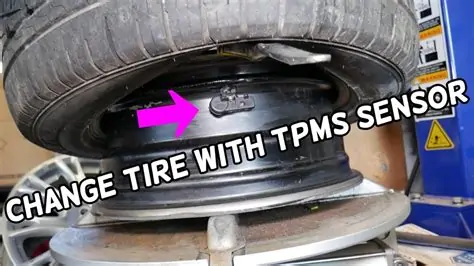
Discover the importance of TPMS sensors for vehicles, regulations for spare tire sensors, and available options to ensure your safety on the road.When it comes to vehicle safety and maintenance, understanding the role of Tire Pressure Monitoring System (TPMS) sensors is crucial. TPMS sensors play a vital role in ensuring that your tires are properly inflated, which can enhance fuel efficiency and prevent tire blowouts. But what about spare tires? Many drivers wonder if these temporary solutions also require TPMS sensors to maintain optimum safety standards. In this blog post, we will explore what TPMS sensors are, their importance in automotive safety, the regulations surrounding spare tire TPMS sensors, and the options available for integrating these sensors into your spare tire setup. Join us as we uncover the essential facts to keep you informed and prepared for your next journey.
What are TPMS sensors?
TPMS, or Tire Pressure Monitoring System, sensors are crucial components in modern vehicles that help monitor the air pressure inside the tires. Designed to alert drivers about tire pressure issues, these sensors contribute significantly to vehicle safety and performance. Here’s a deeper look into what TPMS sensors are and how they function.
There are two main types of TPMS sensors:
- Direct TPMS: This type involves the installation of sensors on each tire that directly measure the tire’s air pressure. The data is then transmitted to the vehicle’s onboard computer.
- Indirect TPMS: Indirect systems do not use physical sensors in the tires. Instead, they monitor the rotational speed of the tires through the Anti-lock Braking System (ABS) and identify discrepancies that indicate under-inflation.
TPMS sensors typically operate using a battery that powers the sensor. When the air pressure in a tire drops below a safe threshold, the sensor sends a signal to the vehicle’s dashboard, illuminating a warning light. This alert allows the driver to take immediate action, preventing tire blowouts and improving fuel efficiency.
In summary, TPMS sensors play a vital role in maintaining proper tire pressure, enhancing safety, and ensuring efficient fuel consumption in cars.
Importance of TPMS sensors for cars
Tire Pressure Monitoring System (TPMS) sensors play a crucial role in ensuring the safety and efficiency of modern vehicles. These sensors monitor the air pressure inside each tire and alert the driver when the pressure falls below the recommended level. Here are several reasons why TPMS sensors are vital for cars:
- Enhanced Safety: Proper tire pressure is essential for maintaining control of the vehicle. Under-inflated tires can lead to reduced traction, increased braking distances, and a higher risk of tire blowouts. TPMS sensors help prevent such dangerous situations by providing real-time pressure readings.
- Improved Fuel Efficiency: Maintaining the recommended tire pressure can significantly impact a vehicle’s fuel efficiency. Under-inflated tires increase rolling resistance, causing the engine to work harder and consume more fuel. With TPMS sensors, drivers are promptly informed of any pressure drops, allowing them to address issues before they affect fuel consumption.
- Extended Tire Life: Consistently monitoring tire pressure can extend the life of your tires. By ensuring that tires are always inflated to the correct pressure, you reduce uneven wear and tear, which can lead to premature tire replacement.
- Compliance with Regulations: Many regions have regulations requiring vehicles to be equipped with TPMS. Compliance not only keeps you within the law but also ensures your vehicle is as safe as possible.
- Convenience: With the advancement of technology, many cars now come with built-in TPMS sensors that automatically alert the driver via dashboard indicators. This feature provides a level of convenience that simplifies vehicle maintenance.
In summary, TPMS sensors are essential tools for any vehicle owner. They contribute significantly to driving safety, fuel efficiency, tire longevity, regulatory compliance, and overall convenience. Investing in a vehicle with functional TPMS sensors is not just about adhering to regulations; it’s about ensuring every drive is as safe and efficient as possible.
Do spare tires require TPMS sensors?
Tire Pressure Monitoring System (TPMS) sensors play a crucial role in ensuring vehicle safety by monitoring the air pressure in tires. But when it comes to spare tires, many car owners wonder if these sensors are needed as well.
Generally, spare tires do not require TPMS sensors. This is because most temporary spare tires, also known as donuts, are designed for short-term use and have limitations on speed and distance. However, there are critical factors to consider:
- Type of Spare Tire: If your vehicle comes with a full-size spare tire, it may be equipped with a TPMS sensor. In contrast, compact or temporary spares typically do not include them.
- Regulations: Various regulations require that all tires on the vehicle, including the full-size spare, are monitored. Therefore, having a TPMS sensor on a full-size spare tire may be necessary.
For vehicles that have a TPMS, it’s essential to ensure all operational tires are properly monitored, especially if a full-size spare tire is used as a replacement for a flat. If your spare tire is equipped with a TPMS sensor, it helps maintain correct tire pressure and improve safety.
In summary, while temporary spare tires often do not require TPMS sensors, full-size spares may have them, and it’s wise to check your vehicle’s specific requirements.
Regulations regarding spare tire TPMS sensors
Tire Pressure Monitoring Systems (TPMS) have become an essential feature in modern vehicles, enhancing safety and performance. But when it comes to spare tires, the regulations surrounding TPMS sensors can be a bit murky.
In many jurisdictions, including the United States, the National Highway Traffic Safety Administration (NHTSA) has established guidelines that pertain to TPMS regulations. Here’s a breakdown of the key points:
| Regulation | Description |
|---|---|
| Mandatory TPMS Installation | All passenger vehicles made after September 1, 2007, must be equipped with TPMS. |
| Full-Size Spare Requirement | If a vehicle is equipped with a full-size spare tire, it typically does not require a TPMS sensor unless specified by the manufacturer. |
| Compact and Temporary Spare Rules | For compact and temporary spare tires, manufacturers may follow different protocols, and often, these spares do not come equipped with TPMS sensors. |
| State Regulations | Some states may have additional regulations that impact how TPMS is implemented, especially regarding the inclusion of spare tires. |
While most spare tires do not come with TPMS sensors, it is essential for vehicle owners to consult their owner’s manual or contact the manufacturer to understand the specific requirements applicable to their vehicle. In addition, keeping the sensors on standard tires functional ensures that the overall TPMS system operates as intended, contributing to safer driving conditions.
In conclusion, while many spare tires do not have TPMS sensors, regulation surrounding this aspect may vary based on location and vehicle type. Always stay informed about local laws and manufacturer guidelines to ensure compliance.
Options for spare tire TPMS sensors
When it comes to spare tires, many car owners are often unaware of the options available for TPMS sensors. TPMS stands for Tire Pressure Monitoring System, and it is crucial for maintaining optimal tire pressure for both safety and performance. Here, we explore various options for integrating TPMS sensors with your spare tire.
1. Direct TPMS Sensors
Direct TPMS sensors are mounted directly on the valves of the tire. They actively monitor the tire pressure and communicate with the vehicle’s computer. If you choose this option for your spare tire, here are some considerations:
- Need to be installed in the valve of the spare tire.
- Automatically alert you of any tire pressure changes.
- Can be more expensive but provide accurate readings.
2. Indirect TPMS Sensors
Indirect TPMS sensors do not monitor the tire pressure directly. Instead, they use the antilock braking system (ABS) to assess tire rotation speed. Here’s how they can affect your spare:
- Less expensive and easier to install since they don’t require additional hardware.
- May not provide real-time tire pressure readings.
- Useful for temporary solutions, especially if your spare tire will only be used in emergencies.
3. Universal TPMS Kits
If you’re looking for a versatile option, universal TPMS kits might be the answer. These kits can be used for any tire, including spares:
- Generally come with multiple sensors, allowing you to switch between your regular tires and the spare.
- Offer both direct and indirect monitoring options.
- Compatible with most vehicles and easy to configure.
4. Aftermarket TPMS Sensors
Many manufacturers offer aftermarket TPMS sensors that can be installed on your spare tire. Consider the following:
- Typically more affordable than factory-installed sensors.
- In many instances, they can be paired with your vehicle’s existing system.
- Be sure to check compatibility with your vehicle make and model.
5. Manual Pre-Trip Checks
A lower-tech option for ensuring your spare tire is ready for use involves manual pre-trip checks. While this doesn’t involve TPMS sensors, it’s still a valid choice for some people:
- Physically check the tire pressure before long trips.
- Cost-effective and no technical installation required.
- Ensures that your spare is always ready, even without sensors.
Choosing the right option for your spare tire TPMS sensors depends on your needs and how much you’re willing to invest. Whether you opt for a direct system, an indirect option, or even a manual check, maintaining an awareness of tire pressure is crucial for vehicle safety.
Frequently Asked Questions
What is a TPMS sensor?
A TPMS sensor is a Tire Pressure Monitoring System sensor that monitors the air pressure in your tires and alerts you when they are significantly under-inflated.
Do all spare tires come with TPMS sensors?
Not all spare tires come with TPMS sensors. Full-size spare tires may have them, but temporary or ‘donut’ spares typically do not.
Why is it important for spare tires to have TPMS sensors?
Having TPMS sensors on spare tires is important as it helps ensure that the spare is properly inflated and safe to use in case of an emergency.
How can I check if my spare tire has a TPMS sensor?
You can check if your spare tire has a TPMS sensor by looking for a small valve stem that includes a TPMS indicator or consulting your vehicle’s manual.
What happens if a spare tire without a TPMS sensor is used?
If a spare tire without a TPMS sensor is used, you may not receive a warning if the spare tire is under-inflated, which can compromise safety.
Can I install a TPMS sensor on a spare tire after purchase?
Yes, you can install a TPMS sensor on a spare tire after purchase if the spare tire is compatible with TPMS systems.
How do I reset the TPMS after changing to a spare tire?
To reset the TPMS after changing to a spare tire, refer to your vehicle’s manual for the specific reset procedure, which usually involves turning the ignition on and pressing the TPMS reset button.