
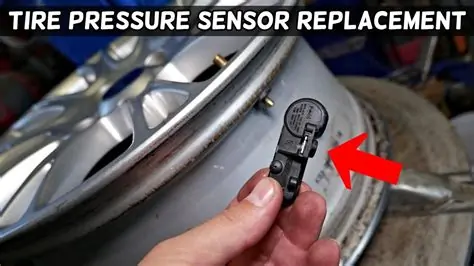
Explore TPMS sensors, their importance, impact of new tires, replacement costs, and consequences of neglecting sensor maintenance in this informative guide.When it comes to maintaining your vehicle’s safety and performance, the Tire Pressure Monitoring System (TPMS) plays a crucial role. As you consider getting new tires, you might wonder whether it’s necessary to replace your TPMS sensors as well. Understanding the relationship between these sensors and your tires can help you make an informed decision. In this blog post, we’ll explore the role of TPMS sensors, how new tires can affect them, and the importance of replacing them when needed. We will also discuss the costs involved and weigh the pros and cons of skipping sensor replacements. By the end, you’ll have a clearer understanding of whether you should invest in new TPMS sensors while upgrading your tires. Let’s dive into the details!
Understanding TPMS Sensors
Tire Pressure Monitoring Systems (TPMS) are vital components in modern vehicles, designed to enhance safety, fuel efficiency, and vehicle performance. These systems monitor the air pressure in your tires in real-time, alerting the driver when tire pressure falls below recommended levels.
Types of TPMS Sensors
There are two main types of TPMS sensors:
- Direct TPMS: These sensors are mounted inside the tire and provide accurate pressure readings directly. They send data to the vehicle’s onboard computer system.
- Indirect TPMS: This system estimates tire pressure by monitoring the rotational speed of the tires. It may not provide an exact pressure reading but can alert the driver if there’s a significant change.
Functionality of TPMS
The primary function of TPMS is to:
- Detect Low Pressure: It alerts the driver through a warning light on the dashboard when tire pressure drops.
- Enhance Safety: Proper tire pressure improves handling and reduces the risk of tire blowouts.
- Improve Fuel Efficiency: Maintaining the correct tire pressure can lead to better fuel economy.
TPMS Warning Light
When the TPMS light illuminates on your dashboard, it indicates an issue with tire pressure. The light can signal:
- Low Tire Pressure: One or more tires may require inflation.
- Sensor Malfunction: The TPMS itself could be malfunctioning.
In summary, understanding TPMS sensors is crucial for ensuring your vehicle operates safely and efficiently. Regular maintenance and awareness of tire pressure can help enhance your driving experience and prolong the life of your tires.
Impact of New Tires on TPMS Sensors
The Tire Pressure Monitoring System (TPMS) is an essential safety feature in modern vehicles, ensuring that the tires are adequately inflated for optimal performance and safety. When new tires are installed on your vehicle, it’s crucial to understand how this can affect the TPMS sensors.
Here are some key impacts of installing new tires on your TPMS sensors:
- Re-calibration Needs: When you get new tires, the TPMS sensors might require re-calibration. This ensures that the sensors accurately read the pressure in the new tires and communicate effectively with the vehicle’s onboard systems.
- Compatibility Issues: Not all tires are compatible with every TPMS sensor. If the new tires have a different size or type compared to the old ones, it may affect the sensor’s ability to detect inflation levels properly. Always consult a professional to ensure compatibility.
- Installation of New Sensors: In some cases, new tires may come with their own TPMS sensors. If the old sensors are damaged or outdated, replacing them with new ones during tire installation can help maintain accuracy in tire pressure readings.
- Tire Pressure Settings: New tires may have different optimal pressure settings than your old ones. It’s important to reset your TPMS to reflect these new settings to keep your driving experience safe and efficient.
Proper maintenance of your TPMS alongside new tire installation not only enhances vehicle safety but also contributes to fuel efficiency and overall vehicle longevity.
Be sure to discuss any concerns regarding your TPMS sensors with your tire technician. Understanding the connection between new tires and your TPMS will help ensure a smooth drive every time!
Importance of TPMS Sensor Replacement
The Tire Pressure Monitoring System (TPMS) is a crucial safety feature in modern vehicles, designed to alert drivers when tire pressure is dangerously low. While many focus solely on the tires themselves, the TPMS sensors play an equally pivotal role in maintaining optimal driving conditions. Here’s why replacing these sensors is essential when needed:
1. Safety First
Under-inflated tires can lead to a myriad of issues including:
- Poor vehicle handling
- Increased tire wear
- Risk of tire blowouts
Replacing faulty TPMS sensors ensures that the system is functioning correctly, providing alerts before a potentially hazardous condition arises.
2. Accurate Tire Pressure Readings
Damaged or old TPMS sensors may give inaccurate readings, which can mislead drivers into thinking their tires are safe. This can result in neglecting necessary tire maintenance, leading to:
- Decreased fuel efficiency
- Increased emissions
- Potential accidents
Regularly replacing TPMS sensors keeps your tire pressure information reliable and accurate.
3. Vehicle Performance
Properly functioning TPMS sensors contribute to enhanced vehicle performance. This includes:
- Improved handling
- Better fuel economy
- Longer tire lifespan
Neglecting the replacement of malfunctioning sensors can compromise these essential performance metrics.
4. Compliance with Safety Regulations
In some regions, there are laws mandating a functional TPMS for vehicles. Not replacing sensors that are old or damaged may lead to:
- Legal penalties
- Failing vehicle inspections
- Increased insurance rates
Keeping your TPMS sensors in good working condition ensures compliance with these regulations.
5. Cost-Effectiveness
While replacing TPMS sensors may seem like an added expense, it can actually save money in the long run. Consider the costs associated with:
- Increased fuel consumption from under-inflated tires
- Frequent tire replacements due to neglect
- Repairing damages from tire blowouts
Investing in new TPMS sensors is a smart move for both safety and finances.
In conclusion, the importance of TPMS sensor replacement cannot be overstated. By ensuring these sensors are functioning properly, drivers can maintain safety, performance, and even adhere to legal regulations, ultimately leading to a smoother and more cost-effective driving experience.
Cost of TPMS Sensor Replacement
The cost of TPMS (Tire Pressure Monitoring System) sensor replacement can vary significantly based on several factors, including the type of vehicle, the brand of sensors, and labor costs in your area. Understanding this cost is crucial for car owners who wish to maintain the safety and performance of their vehicles.
Here are some key factors to consider regarding the cost:
| Factor | Details |
|---|---|
| Type of Vehicle | Different vehicles have different specifications and requirements, which can impact sensor costs. |
| Brand of Sensors | OEM (Original Equipment Manufacturer) sensors tend to be more expensive than aftermarket options. |
| Labor Costs | The cost of services can vary by location and shop, affecting overall expenses. |
| Additional Services | Sometimes, additional services like tire balancing or rotation may be bundled, influencing the overall cost. |
Typical Cost Range
On average, the cost for TPMS sensor replacement ranges between $50 to $100 per sensor. In addition, if you need to replace all four sensors, the total can escalate to approximately $200 to $400, depending on the factors mentioned above.
Aftermarket vs. OEM Sensors
When deciding whether to go with OEM or aftermarket sensors, consider the following:
- OEM Sensors: Expected to function perfectly with the vehicle and typically come with a warranty, but tend to be pricier.
- Aftermarket Sensors: Can be more affordable and vary in quality; it’s crucial to research the manufacturer’s reputation to ensure reliability.
Hidden Costs
There may also be hidden costs associated with TPMS sensor replacement. For instance:
“Improper tire pressure can lead to uneven tire wear, which may ultimately require tire replacement sooner, adding to overall vehicle maintenance costs.”
Therefore, while the initial cost of TPMS sensor replacement may seem straightforward, additional maintenance and replacement costs should be taken into account for long-term budgeting. Keeping your TPMS sensors in good condition is essential not only for vehicle safety but also for economic efficiency.
Pros and Cons of Not Replacing TPMS Sensors
When it comes to the maintenance of your vehicle, the decision to replace TPMS sensors can be a tricky one, especially when new tires are being paired with old sensors. Below, we explore the pros and cons of not replacing your TPMS sensors while installing new tires.
Pros of Not Replacing TPMS Sensors
- Cost Savings: One immediate benefit is the reduction in maintenance costs. TPMS sensor replacement can be expensive, and if your current sensors are still functioning properly, you may save money by not replacing them.
- Familiarity: Existing sensors have been familiarized with your driving style and vehicle behavior, which may lead to less interference or false alerts upon installation of new tires.
- Less Waste: Avoiding unnecessary replacements helps contribute to sustainability by reducing the number of discarded parts.
Cons of Not Replacing TPMS Sensors
- Potential Malfunction: Older sensors may malfunction or offer inaccurate readings, leading to potential safety risks such as under-inflated tires.
- Compatibility Issues: New tires could alter the performance metrics necessary for effective sensor functionality, resulting in discrepancies and loss of data.
- Limited Lifespan: TPMS sensors have a limited lifespan, typically around 5 to 10 years. Keeping older sensors when installing new tires may not be wise.
- Reduced Safety: The primary role of the TPMS is to enhance safety. Ignoring the replacement could result in undetected issues and increased risk of tire blowouts.
In summary, while there are certainly financial benefits to keeping your old TPMS sensors, the potential safety risks and compatibility concerns are crucial considerations. It’s essential to weigh these factors thoughtfully when deciding whether to replace your TPMS sensors during new tire installations.
Frequently Asked Questions
What are TPMS sensors?
TPMS sensors, or Tire Pressure Monitoring System sensors, are devices that monitor the air pressure inside your tires and alert you if they become under or over-inflated.
Do I need to replace TPMS sensors when I get new tires?
It is not mandatory to replace TPMS sensors when getting new tires unless they are damaged or malfunctioning.
How long do TPMS sensors typically last?
TPMS sensors generally last between 5 to 10 years, but this can vary based on usage and environmental factors.
What happens if I don’t replace a faulty TPMS sensor?
If a TPMS sensor is faulty and not replaced, you may not receive important alerts about your tire pressure, which can lead to unsafe driving conditions.
Can I reuse TPMS sensors when changing my tires?
Yes, you can often reuse TPMS sensors when changing tires as long as they are in good working condition.
What signs indicate that a TPMS sensor needs replacement?
Signs that a TPMS sensor may need replacement include a continuous warning light on the dashboard, inconsistent pressure readings, or visible damage to the sensor.
Are there any costs associated with replacing TPMS sensors?
Yes, the cost of replacing TPMS sensors can vary; it typically ranges from $30 to $100 per sensor, not including labor costs.