
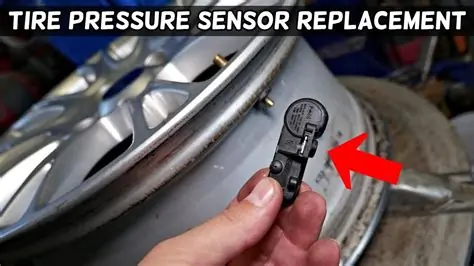
Learn about TPMS sensors, their programming importance, a guide for Ford programming, troubleshooting tips, and the benefits of proper TPMS sensor setup.In the world of automotive safety, the Tire Pressure Monitoring System (TPMS) plays a crucial role in ensuring that your vehicle runs smoothly and efficiently. For Ford owners, understanding how to program TPMS sensors is essential for maintaining optimal tire performance and safety. Proper programming can prevent issues like inaccurate pressure readings and warning lights, which can lead to more significant problems down the road. In this blog post, we’ll explore the intricacies of TPMS sensors, delve into why programming is vital, and provide a comprehensive step-by-step guide for Ford vehicles. We’ll also address common issues you may encounter, along with troubleshooting tips, and highlight the numerous benefits of having well-programmed TPMS sensors. Whether you’re a seasoned DIYer or a new car owner, this resource will empower you to keep your Ford in peak condition.
Understanding TPMS Sensors
TPMS, or Tire Pressure Monitoring System, is an essential safety feature in today’s vehicles. It continuously monitors the air pressure within the tires and alerts the driver when tire pressure falls below a specific threshold. Understanding TPMS is crucial for ensuring road safety and improving vehicle performance.
There are two main types of TPMS:
- Direct TPMS: Direct systems use sensors mounted on the valve stems of each tire to measure the air pressure. These sensors transmit real-time data to the vehicle’s onboard computer. If the pressure drops, a warning light will illuminate on the dashboard.
- Indirect TPMS: Indirect systems do not measure tire pressure directly. Instead, they rely on wheel speed sensors and the vehicle’s ABS system to approximate tire pressure. When a tire is under-inflated, it rotates at a different speed than properly inflated tires, triggering a warning.
Understanding the function and significance of TPMS sensors helps in diagnosing potential issues and ensuring that they are functioning correctly. Regular maintenance and checks are essential, as improperly functioning TPMS can lead to reduced fuel efficiency, accelerated tire wear, and even tire blowouts.
Properly functioning TPMS sensors not only help maintain safe tire pressure but also contribute to overall vehicle performance. – Automotive Safety Advocate
In summary, familiarity with how TPMS sensors work and their importance in vehicle safety is vital for every car owner. Properly functioning sensors can make a significant difference in driving safety and tire longevity.
Importance of TPMS Sensor Programming
The Tire Pressure Monitoring System (TPMS) is an essential component in modern vehicles, ensuring safety and efficiency on the road. Proper TPMS sensor programming plays a crucial role in maintaining optimal tire performance, fuel efficiency, and overall vehicle safety. Below are some key reasons why this programming is vital:
- Enhanced Safety: Properly programmed TPMS sensors alert drivers about low tire pressure, which can prevent accidents caused by blowouts or loss of vehicle control.
- Improved Fuel Efficiency: Correct tire pressure reduces rolling resistance, leading to better fuel economy. A properly programmed system helps keep tire pressures within the recommended limits.
- Extended Tire Life: Consistent monitoring and accurate programming of TPMS sensors help in identifying pressure issues early. This prevents uneven tire wear, prolonging the life of your tires.
- Compliance with Regulations: Many regions have strict regulations regarding tire pressure monitoring systems. Proper programming ensures compliance, avoiding potential fines and legal issues.
- Improved Vehicle Performance: With correctly programmed TPMS sensors, vehicles exhibit better handling and stability, providing a more comfortable driving experience.
In summary, the importance of TPMS sensor programming cannot be overstated. From enhancing safety and fuel efficiency to ensuring compliance and improving vehicle performance, proper programming is a vital aspect of vehicle maintenance.
Step-by-Step Guide to Programming Ford TPMS Sensor
Programming a TPMS (Tire Pressure Monitoring System) sensor for your Ford vehicle is an essential step to ensure safety and optimal performance. Here’s a detailed, step-by-step guide to help you through the programming process.
What You Will Need:
- Ford-specific TPMS scanner or tool
- Vehicle owner’s manual
- New TPMS sensors (if applicable)
Step 1: Prepare Your Vehicle
Ensure that the vehicle is in a safe location and that you have access to all four tires. It’s crucial that the vehicle is turned off, and the key is removed.
Step 2: Locate the TPMS Reset Button
For most Ford models, the TPMS reset button is located under the steering wheel or near the driver’s side door. Check the owner’s manual for the exact location.
Step 3: Turn On the Ignition
Without starting the engine, turn the ignition switch to the On position. Your dashboard lights, including the TPMS light, should illuminate.
Step 4: Reset the TPMS
Press and hold the TPMS reset button until the TPMS warning light blinks three times. This usually takes about 3-5 seconds.
Step 5: Initialize the TPMS Sensors
Using a Ford-specific TPMS scanner, follow the manufacturer’s instructions to initiate the sensor programming. Typically, this involves:
- Positioning the scanner near each tire.
- Selecting the programming option on the scanner.
- Activating each sensor as prompted, either by pressing the sensor’s activation button or by using the scanner.
Step 6: Complete the Programming Process
After successfully programming all sensors, turn the ignition off and disconnect the TPMS scanner. The TPMS light on the dashboard should turn off, indicating successful programming.
Step 7: Test Drive the Vehicle
Perform a short test drive at a speed of 25 mph or higher. This allows the TPMS system to recalibrate and confirm that it is functioning correctly.
Common FAQs:
| Question | Answer |
|---|---|
| What if the TPMS light remains on? | Check the tire pressures and ensure the sensors were programmed correctly. |
| Can I program TPMS sensors without a scanner? | Some Ford models allow for manual programming; refer to your owner’s manual for details. |
By following these steps carefully, you can successfully program your Ford TPMS sensor and ensure your vehicle’s safety. Properly functioning TPMS sensors contribute to better fuel efficiency and tire longevity, making this a vital task for every car owner.
Common Issues and Troubleshooting
When dealing with Ford TPMS sensors, there are several common issues that can arise, which can lead to erroneous readings or malfunctioning sensors. Understanding these problems can help you troubleshoot effectively, ensuring your tire pressure monitoring system operates smoothly. Here are some prevalent issues and solutions:
1. Incorrect Tire Pressure Readings
If your TPMS display is showing incorrect tire pressure, it may be due to:
- Pneumatic Leakage: Check if the tires have proper air pressure, as leaks can lead to discrepancies.
- Sensor Malfunction: The sensor might be damaged or malfunctioning; consider replacing it.
- Calibration Issues: Make sure the sensors are correctly calibrated to the vehicle’s specifications.
2. Warning Light Activation
A warning light on your dashboard can indicate issues related to tire pressure or the sensors themselves. Common reasons include:
- Low Tire Pressure: Ensure all tires are inflated to the recommended pressure.
- Faulty Sensors: Check for any sensor signal failures or errors; resetting may be required.
- Battery Issues: Some TPMS sensors are battery-operated; a dead battery might require complete sensor replacement.
3. Sensor Not Resetting
If you’re unable to reset the TPMS after addressing the issue, consider the following:
- Reprogramming Required: You may need to reprogram the TPMS sensors, especially if new sensors have been installed.
- Vehicle Compatibility: Ensure that the sensors are compatible with your specific Ford model.
4. Reception Problems
Sometimes, the TPMS can struggle to receive data from the sensors, resulting in:
- Interference: Other electronic devices or metal objects might interfere with the sensor signals.
- Distance Issues: Ensure that the sensors are within the operational range of the vehicle’s receiver.
5. Environmental Factors
Extreme weather conditions can also affect TPMS sensor performance. For example:
- Temperature Fluctuations: Sudden changes in temperature can lead to pressure variations in tires.
- Corrosion: Exposure to road salt and moisture can corrode the sensors, necessitating replacement.
By being aware of these common issues and troubleshooting tips, you can ensure that your Ford TPMS sensors function correctly, providing accurate tire pressure readings and contributing to road safety.
Benefits of Properly Programmed TPMS Sensors
Properly programmed TPMS sensors (Tire Pressure Monitoring System sensors) are crucial for the safety and efficiency of your vehicle. The following are some key benefits of having well-functioning TPMS sensors:
- Enhanced Safety: One of the primary benefits of properly programmed TPMS sensors is enhanced safety. These sensors alert drivers to low tire pressure, reducing the risk of blowouts or accidents caused by under-inflated tires.
- Improved Tire Life: Maintaining the proper tire pressure through accurate TPMS readings can prolong the life of your tires. Properly inflated tires reduce wear and tear, saving you money in the long run.
- Increased Fuel Efficiency: When tires are at the correct pressure, your vehicle requires less fuel to operate. Properly programmed TPMS sensors help you maintain optimal tire pressure, contributing to better fuel efficiency.
- Environmental Benefits: Increased fuel efficiency from properly programmed TPMS sensors can lead to lower carbon emissions. This not only benefits your wallet by reducing fuel costs but also helps the environment.
- Convenience: Modern TPMS systems provide real-time feedback. When your TPMS sensors are functioning correctly, you can easily monitor the status of your tires, allowing for timely maintenance and peace of mind while driving.
- Regulatory Compliance: In many regions, vehicles are required by law to have functioning TPMS sensors. Proper programming ensures that your system is compliant with these regulations, avoiding potential fines and penalties.
In summary, the benefits of properly programmed TPMS sensors extend beyond mere convenience. They contribute significantly to safety, vehicle performance, and environmental responsibility.
Frequently Asked Questions
What is a TPMS sensor?
A TPMS sensor, or Tire Pressure Monitoring System sensor, measures the air pressure inside a vehicle’s tires and alerts the driver when the pressure is too low or high.
Why is TPMS sensor programming important for Ford vehicles?
TPMS sensor programming is important for Ford vehicles because it ensures that the sensors are properly calibrated to communicate accurately with the vehicle’s onboard computer, facilitating effective monitoring of tire pressure.
How do I know if my Ford vehicle needs TPMS sensor programming?
You may need to program your TPMS sensors if your tire pressure warning light is illuminated, after replacing or rotating your tires, or after replacing a faulty TPMS sensor.
What tools are required for programming Ford TPMS sensors?
To program Ford TPMS sensors, you typically need a TPMS scanning tool or a Ford-specific diagnostic tool that can interface with the vehicle’s onboard system.
Can I program TPMS sensors myself or should I visit a mechanic?
You can program TPMS sensors yourself if you have the appropriate tools and knowledge; however, it is often recommended to visit a certified mechanic for accurate programming.
Is there a specific procedure for programming Ford TPMS sensors?
Yes, the procedure generally involves using a TPMS tool to initiate the programming sequence, which usually includes stepping through a series of instructions provided by the tool.
What are the consequences of not programming TPMS sensors correctly?
Failing to program TPMS sensors correctly can lead to inaccurate tire pressure readings, causing potential safety hazards and reduced fuel efficiency.