
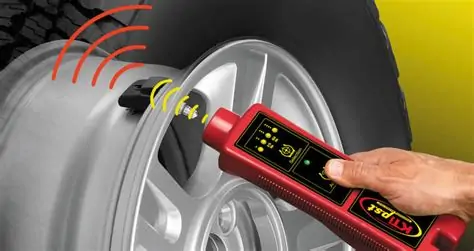
Learn about TPMS, its maintenance importance, benefits of free sensor checks, proper checking processes, and how often you should have your TPMS checked.Maintaining proper tire pressure is crucial for safe and efficient driving, and that’s where Tire Pressure Monitoring Systems (TPMS) come into play. TPMS is a sophisticated technology that alerts drivers to under-inflated or over-inflated tires, promoting optimal vehicle performance and safety. In this post, we’ll explore the important role of TPMS in vehicle maintenance and why regular checks are essential. With the added advantage of a free TPMS sensor check, there’s no reason to overlook this vital aspect of car care. We’ll delve into the proper process for checking your TPMS sensors and discuss how often you should have these checks performed to ensure your wheels remain in excellent shape. Whether you’re a seasoned driver or a newcomer to vehicle maintenance, understanding TPMS can help keep you safe on the road.
What is TPMS?
TPMS, or Tire Pressure Monitoring System, is an electronic system designed to monitor the air pressure inside the tires of a vehicle. The primary aim of this system is to provide real-time data regarding tire pressure levels, which is critical for both safety and vehicle performance.
There are two main types of TPMS: direct and indirect.
- Direct TPMS: This system utilizes sensors located inside each tire to measure the actual tire pressure. If the pressure drops below a certain threshold, the system triggers a warning light on the dashboard.
- Indirect TPMS: This method does not use physical sensors. Instead, it calculates tire pressure by monitoring the rotational speed of the tires through the vehicle’s anti-lock braking system (ABS). If a tire is under-inflated, it will rotate at a different speed than the others, triggering a warning.
Understanding TPMS is crucial for every vehicle owner. Not only does it help in maintaining the proper tire pressure, but it also plays a vital role in ensuring optimal fuel efficiency, extending the lifespan of tires, and enhancing overall driving safety.
Importance of TPMS maintenance
The Tire Pressure Monitoring System (TPMS) is an essential component in modern vehicles, designed to monitor the air pressure in your tires. Proper maintenance of TPMS is crucial for several reasons:
- Safety: Maintaining optimal tire pressure reduces the risk of tire blowouts, improving overall vehicle safety.
- Fuel Efficiency: Properly inflated tires enhance fuel efficiency by reducing rolling resistance, which can save you money at the pump.
- Tire Longevity: Consistent monitoring and maintenance of tire pressure can prolong the life of your tires, preventing uneven wear.
- Environmental Impact: Better fuel efficiency results in lower emissions, contributing to a cleaner environment.
Neglecting TPMS maintenance can lead to several issues, including:
- Increased wear and tear on tires.
- Decreased vehicle performance and handling.
- Higher operational costs due to poor fuel economy.
Therefore, understanding the importance of TPMS maintenance is vital for any vehicle owner. Regular checks and prompt attention to warning signals can ensure that your TPMS functions effectively, keeping you safe on the road and helping you save on costs.
An ounce of prevention is
Benefits of free TPMS sensor check
The Tire Pressure Monitoring System (TPMS) is an essential component of modern vehicles, designed to monitor the air pressure inside your tires. Regular checks of your TPMS sensors can provide numerous benefits, particularly when offered for free. Here are some compelling reasons to take advantage of a free TPMS sensor check:
- Enhanced Safety: One of the primary benefits of a TPMS sensor check is improved safety. Properly inflated tires reduce the risk of blowouts and improve vehicle handling, essential for safe driving.
- Cost Savings: Maintaining correct tire pressure can enhance fuel efficiency and extend tire life, ultimately saving you money on fuel and tire replacement.
- Performance Optimization: With properly functioning TPMS sensors, you can ensure that your vehicle performs at its best, providing a smoother ride and maximizing performance.
- Environmental Benefits: Maintaining optimal tire pressure decreases greenhouse gas emissions by improving fuel efficiency, making the environment better for all.
- Peace of Mind: Regular sensor checks help ensure that your vehicle is in good condition, providing peace of mind while driving.
“Safety isn’t expensive, it’s priceless.”
In summary, utilizing a free TPMS sensor check can contribute to your vehicle’s safety, efficiency, and longevity. Taking the time to ensure your TPMS is functioning correctly will pay off in significant ways.
Proper TPMS sensor check process
The Tire Pressure Monitoring System (TPMS) is an essential component for maintaining vehicle safety and efficiency. Regular checks of your TPMS sensors are critical to ensure they are functioning correctly. Here’s a comprehensive guide on the proper TPMS sensor check process:
- Visual Inspection: Start with a thorough visual inspection of your tire and TPMS components. Look for any signs of damage or abnormal wear and tear.
- Use a TPMS Tool: Utilize a TPMS diagnostic tool to read sensor data. These tools can display tire pressure readings and reveal fault codes if any sensors are malfunctioning.
- Check Battery Status: TPMS sensors are powered by batteries. Verify the battery status to ensure they have sufficient power. Replace any dead batteries as needed.
- Verify Correct Calibration: Ensure that the TPMS is calibrated correctly. This process involves resetting the system to account for tire rotations or replacements.
- Run a Pressure Check: Manually inspect the tire pressure using a reliable tire gauge. Compare these measurements to the data provided by the TPMS to identify inconsistencies.
- Relearn Procedure: If any sensors were replaced or tire rotations were done, perform a relearn procedure to ensure the system recognizes all sensors correctly.
- Test Drive: After completing the checks, take the vehicle for a test drive. Monitor the dashboard alert to confirm that the TPMS indicator turns off and that no error messages are displayed.
Regular TPMS sensor checks not only enhance safety but also improve tire longevity and fuel efficiency.
Performing these steps diligently will help ensure your TPMS operates effectively, keeping you safe on the road and aiding in optimal vehicle performance.
How often should you get a TPMS check?
The Tire Pressure Monitoring System (TPMS) is an essential component of modern vehicles, designed to ensure the safety and efficiency of your tires. To keep this system functioning correctly, it’s important to understand how often you should get a TPMS check. Regular maintenance can prevent issues and enhance performance.
Here are some general guidelines regarding the frequency of TPMS checks:
| Interval | Recommendation |
|---|---|
| Every Oil Change | It’s advisable to check your TPMS sensors each time you change your oil, which is typically every 5,000 to 7,500 miles. |
| Seasonal Check | Have your TPMS checked at the beginning of each season, especially before winter and summer driving. Temperature fluctuations can affect tire pressure. |
| After Tire Rotation | Always check the TPMS after rotating your tires to ensure that the sensors are accurately reading pressure levels in their new positions. |
| At Vehicle Inspection | During your annual vehicle inspection, ensure that the TPMS is included in the checkup. |
It’s also a good practice to check your TPMS if:
- You notice a warning light on your dashboard.
- Your tires seem to lose air more rapidly than usual.
- You change your tires (seasonal or new).
Regular checks not only prolong the life of your tires but also enhance vehicle safety. Keeping your TPMS in top shape can significantly reduce the risk of tire blowouts and improve overall fuel efficiency.
“Regular maintenance of your TPMS is not just a recommendation; it’s a necessity for safe driving.”
Frequently Asked Questions
What does TPMS stand for?
TPMS stands for Tire Pressure Monitoring System. It is a technology used in vehicles to monitor the air pressure in the tires.
How can I check if my TPMS sensors are functioning properly?
You can check if your TPMS sensors are functioning by looking for warning lights on your dashboard, performing a manually inflation check, or getting a professional diagnostic.
Why is a TPMS sensor check important?
A TPMS sensor check is important for safety and fuel efficiency. Proper tire pressure can prevent blowouts, improve handling, and enhance fuel economy.
Are there any signs that indicate my TPMS sensors need to be checked?
Yes, signs include the TPMS warning light illuminated on your dashboard, uneven tire wear, or if you notice a change in vehicle handling.
How often should I perform a TPMS sensor check?
It is recommended to perform a TPMS sensor check at least once a month, especially before long trips, to ensure your tires are properly inflated.
Can I perform a TPMS sensor check on my own?
Yes, you can perform a basic check on your own by visually inspecting your tires for uneven wear and checking the pressure with a gauge, but professional diagnostics may be needed for in-depth issues.
Where can I get a free TPMS sensor check?
Many automotive service centers, tire shops, or dealerships offer free TPMS sensor checks as part of their tire services. It’s best to call ahead and confirm.