
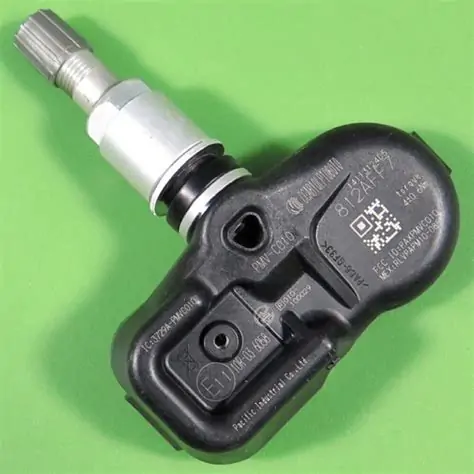
Discover the significance of genuine TPMS sensors, their costs, benefits, and how to identify authentic Toyota TPMS sensors for your vehicle’s safety.In the world of automotive safety, the Tire Pressure Monitoring System (TPMS) sensor plays a crucial role in ensuring that your vehicle operates at optimal performance. As car manufacturers advance their technology, understanding the significance of genuine parts is paramount. This is especially true for Toyota vehicles, where the integrity of components like the TPMS sensor can greatly influence both safety and efficiency on the road. In this blog post, we’ll delve into what a TPMS sensor is, the importance of using genuine sensors, and the costs associated with them. Additionally, we’ll explore the benefits of opting for authentic parts and provide tips on how to identify a genuine Toyota TPMS sensor, ensuring you make informed decisions that enhance your driving experience and prolong the lifespan of your vehicle.
What is TPMS sensor?
A TPMS (Tire Pressure Monitoring System) sensor is an essential component of modern vehicles designed to monitor the air pressure inside the tires. Its primary purpose is to provide real-time information to the driver regarding tire pressure, ensuring that tires are properly inflated.
Typically, each tire has its own TPMS sensor, which measures the air pressure and transmits the data to the vehicle’s onboard computer system. If the tire pressure falls below a certain threshold, the TPMS alerts the driver through a warning light on the dashboard. This helps improve safety and fuel efficiency, as under-inflated tires can lead to reduced traction, increased tire wear, and poorer gas mileage.
There are two main types of TPMS sensors:
- Direct TPMS: These sensors measure the actual tire pressure and send the information directly to the vehicle’s computer.
- Indirect TPMS: This system relies on the vehicle’s anti-lock braking system (ABS) to estimate tire pressure based on wheel speed and other factors.
In summary, a TPMS sensor is crucial for maintaining safe driving conditions and enhancing the overall performance of your vehicle.
Importance of genuine sensor
The TPMS (Tire Pressure Monitoring System) sensor plays a crucial role in ensuring your vehicle’s safety and performance. Utilizing a genuine Toyota TPMS sensor is vital for several reasons:
- Accuracy: Genuine sensors are specifically designed for Toyota vehicles, ensuring precise readings of tire pressure. This accuracy helps prevent underinflation or overinflation, which can lead to tire blowouts or reduced fuel efficiency.
- Reliability: Authentic TPMS sensors undergo rigorous testing and meet strict quality standards set by the manufacturer. This reliability ensures that the sensor will function properly over time, reducing the likelihood of malfunctions.
- Compatibility: OEM (Original Equipment Manufacturer) parts, such as genuine TPMS sensors, are made to fit perfectly with your Toyota vehicle. Using aftermarket sensors can result in compatibility issues, which might compromise your car’s safety features.
- Warranty Support: Installing a genuine sensor can help maintain your vehicle’s warranty, as most warranties require the use of OEM parts. This can save you money in potential repairs or replacements down the line.
- Peace of Mind: Knowing that you have a reliable and accurate TPMS sensor installed allows you to drive with higher confidence, knowing that your tire health is being properly monitored.
In summary, using a genuine Toyota TPMS sensor not only enhances your vehicle’s performance but also significantly contributes to your safety on the road. It is a small investment that ensures long-term benefits, making it well worth your consideration.
Cost of genuine TPMS sensors
The cost of genuine TPMS sensors can vary widely based on several factors including the make and model of your vehicle, the supplier, and whether you are purchasing them as individual units or in bulk. On average, a single genuine TPMS sensor can range from $50 to $150. This price often reflects the quality and reliability that come with genuine replacements.
Here’s a breakdown of factors affecting the price of genuine TPMS sensors:
| Factor | Description |
|---|---|
| Vehicle Make and Model | Luxury or rare vehicles often have higher sensor costs. |
| Supplier | Dealerships may charge more than third-party suppliers for genuine parts. |
| Installation | Labor costs at a shop can add to the overall expense. |
| Condition of Existing Sensors | If existing sensors are malfunctioning or damaged, replacements will incur additional costs. |
When considering the purchase of genuine TPMS sensors, remember that opting for genuine parts often means better longevity and performance compared to aftermarket alternatives. In the long run, investing a little more in genuine TPMS sensors can save money by preventing potential issues with your vehicle’s tire pressure monitoring system.
Quality often outweighs the initial cost, especially when it comes to your vehicle’s safety. – Automotive Expert
Before settling on a purchase, it’s wise to compare prices from multiple sources and factor in shipping costs, warranty options, and return policies. Ensuring you get a good deal on genuine TPMS sensors will help maintain your vehicle’s performance and safety.
Benefits of using genuine sensors
When it comes to maintaining the integrity and performance of your vehicle, opting for genuine Toyota TPMS sensors is a decision that can lead to numerous benefits. Below are some key advantages of using these authentic components:
- Reliability: Genuine sensors are designed specifically for Toyota vehicles, ensuring compatibility and reliability. They undergo rigorous testing to meet high-quality standards.
- Accurate Readings: Using genuine TPMS sensors ensures accurate tire pressure readings, which is crucial for safety and performance on the road.
- Durability: These sensors are built with high-quality materials that can withstand various driving conditions, reducing the chances of premature failure.
- Warranty Protection: Genuine parts typically come with a manufacturer’s warranty, providing peace of mind and coverage in case of defects.
- Easier Installation: Genuine sensors are designed to fit perfectly with Toyota vehicle systems, making the installation process smoother and more efficient.
- Enhanced Vehicle Performance: Proper functioning of the TPMS contributes to better fuel economy, improved tire wear, and overall enhanced vehicle performance.
In summary, investing in genuine Toyota TPMS sensors not only ensures the safety and reliability of your vehicle but also helps in long-term cost savings by maximizing performance.
How to identify genuine Toyota TPMS sensor
When it comes to maintaining your vehicle, ensuring that you have a genuine Toyota TPMS sensor is crucial. The Tire Pressure Monitoring System (TPMS) plays an essential role in your car’s safety by monitoring the tire pressure and alerting you when it falls below safe levels. However, with numerous counterfeit products available in the market, identifying a genuine Toyota TPMS sensor can be challenging. Here are some key indicators to help you make the right choice:
1. Packaging
Genuine Toyota TPMS sensors come in high-quality packaging. Look for:
- Toyota branding on the box.
- Clear labeling with part numbers.
- Sealed packaging that shows no signs of tampering.
2. Part Numbers
Always check the part number of the sensor. Genuine parts have unique part numbers that can be verified through dealership resources or Toyota’s official website. Here’s how you can check:
Frequently Asked Questions
What is a TPMS sensor?
TPMS stands for Tire Pressure Monitoring System, and it is a sensor installed in vehicles to monitor tire pressure and ensure optimal safety and performance.
Why should I choose a genuine Toyota TPMS sensor over a aftermarket one?
Genuine Toyota TPMS sensors are specifically designed for Toyota vehicles, ensuring compatibility, reliability, and accurate readings compared to generic aftermarket options.
How do I know if my TPMS sensor is failing?
Signs of a failing TPMS sensor include the warning light on the dashboard illuminating, persistent low tire pressure warnings, or inaccurate tire pressure readings.
What are the benefits of using a genuine Toyota TPMS sensor?
Using a genuine Toyota TPMS sensor ensures better quality, precise performance, and helps maintain the integrity of the vehicle’s warranty.
Can I install a genuine Toyota TPMS sensor myself?
While it is possible to install a TPMS sensor yourself, it is recommended to have it done by a professional to ensure proper installation and calibration.
How often should TPMS sensors be replaced?
TPMS sensors typically last 5 to 10 years. However, it’s important to check them periodically, especially during tire changes or if you notice any warning lights.
What should I do if my TPMS warning light comes on?
If your TPMS warning light comes on, check your tire pressures immediately. If they are okay and the light remains on, it may indicate a sensor malfunction, and you should have it inspected by a professional.