
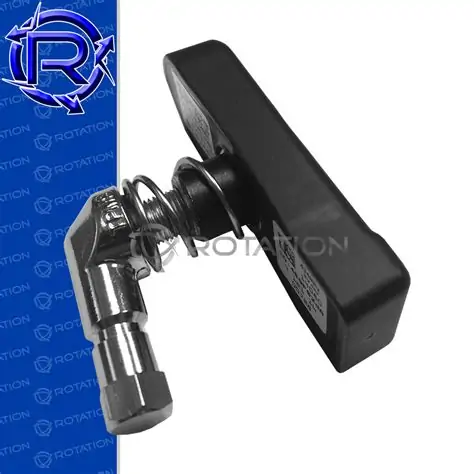
Discover the essentials of Harley TPMS sensors, their importance, functionality, benefits, and tips for choosing the right one for your motorcycle.When it comes to motorcycle safety and performance, the Harley TPMS (Tire Pressure Monitoring System) sensor is an essential component that every rider should know about. Designed specifically for Harley-Davidson motorcycles, these sensors provide real-time data on tire pressure, ensuring that you maintain optimal riding conditions. In this blog post, we’ll explore the fundamentals of Harley TPMS sensors, diving into their significance in enhancing safety, the technology behind how they function, and the numerous benefits they offer to riders. Additionally, we’ll discuss tips on selecting the right TPMS sensor for your motorcycle. Whether you’re a seasoned Harley enthusiast or a newcomer to the riding community, understanding TPMS sensors is crucial for a smoother and safer ride. Let’s rev up our engines and delve into the world of Harley TPMS sensors!
What is a Harley TPMS Sensor?
A Harley TPMS Sensor (Tire Pressure Monitoring System Sensor) is a crucial component installed in Harley-Davidson motorcycles to monitor tire pressure. This sensor is designed to provide real-time data about the pressure levels in the tires, helping riders maintain optimal tire performance and safety.
There are typically two types of TPMS sensors:
- Direct TPMS Sensors: These sensors are mounted inside the tire, typically on the valve stem. They measure the actual air pressure in each tire and transmit this data directly to the motorcycle’s onboard computer system.
- Indirect TPMS Sensors: These utilize the motorcycle’s ABS (Anti-lock Braking System) to determine tire pressure. They rely on variations in wheel speed and are often less accurate than direct sensors.
The main goal of a Harley TPMS Sensor is to alert the rider to any significant drop in tire pressure. Proper tire pressure is vital not only for safety but also for enhancing the motorcycle’s handling, fuel efficiency, and tire lifespan.
Moreover, a properly functioning TPMS can prevent tire blowouts and maintain traction on various road conditions. With the rugged riding experiences that Harley-Davidson motorcycles often provide, having a reliable TPMS sensor becomes even more critical for a safe journey.
In summary, a Harley TPMS Sensor is an essential mechanism that actively monitors tire pressure, ensuring that riders can enjoy their journey with peace of mind. Whether riding through city streets or winding country roads, knowing that your bike is equipped with a reliable TPMS sensor is invaluable.
Importance of TPMS Sensors
Tire Pressure Monitoring Systems (TPMS) have become an essential component in modern vehicles, including motorcycles like Harley-Davidson. The importance of TPMS Sensors cannot be overstated, as they play a crucial role in ensuring both safety and performance while riding.
1. Safety Enhancement
One of the primary functions of TPMS Sensors is to monitor the tire pressure in real time. Proper tire pressure is vital for safe riding. According to the National Highway Traffic Safety Administration (NHTSA), under-inflated tires contribute to a significant percentage of motorcycle accidents.
2. Increased Fuel Efficiency
Maintaining optimal tire pressure is not just about safety; it also affects fuel efficiency. Under-inflated tires increase rolling resistance, leading to poor fuel economy. By using TPMS Sensors, riders can ensure their tires are always at the correct pressure, leading to:
- Improved fuel economy
- Reduced emissions
- Extended tire lifespan
3. Prevention of Tire Damage
Low tire pressure can lead to serious tire damage, including blowouts. TPMS Sensors alert riders to low pressure before it becomes critical, allowing them to address the issue promptly. This proactive measure helps in:
- Minimizing tire wear
- Reducing the risk of flats
- Ensuring smoother rides
4. User Awareness
Modern TPMS systems come with visual alerts and audible warnings. These notifications keep the rider informed about tire conditions, fostering a culture of awareness and responsibility. A well-informed rider is better equipped to make quick decisions that can prevent accidents.
5. Compliance with Regulations
In many regions, having a working TPMS is a requirement for road safety compliance. Using TPMS Sensors ensures that your Harley is up to legal safety standards, sparing riders from potential fines or issues at inspections.
In summary, the importance of TPMS Sensors stretches from safety to regulatory compliance. With increasing technological advancements, integrating a reliable TPMS system into your Harley can enhance your riding experience significantly.
How TPMS Sensors Work
The Tire Pressure Monitoring System (TPMS) is an essential component in modern motorcycles, particularly in Harley-Davidson bikes. It is designed to monitor the air pressure inside the tires and provide real-time feedback to the rider. Understanding how TPMS sensors work can help you maintain optimal tire pressure, ensure safety, and enhance performance.
Types of TPMS Sensors
There are two main types of TPMS sensors:
- Direct TPMS: These sensors are mounted inside each tire and measure the actual tire pressure. They transmit data to the motorcycle’s onboard computer.
- Indirect TPMS: These sensors do not measure pressure directly. Instead, they utilize the motorcycle’s Anti-lock Braking System (ABS) to detect changes in wheel speed, which can indicate a drop in tire pressure.
How Direct TPMS Sensors Operate
Direct TPMS sensors consist of the following components:
- Pressure Sensor: Detects the real-time air pressure inside the tire.
- Transmitter: Sends data wirelessly to the motorcycle’s display panel.
- Power Source: Often powered by a small battery that is typically built to last several years.
When the motorcycle is in motion, the pressure sensor continuously monitors the tire’s air pressure. If the pressure falls below the recommended level, the transmitter communicates this information to the display unit, alerting the rider through visual or audible signals.
How Indirect TPMS Sensors Operate
Indirect TPMS sensors work differently:
- They rely on the motorcycle’s wheel speed sensors to monitor the rotation of each wheel.
- If a tire becomes under-inflated, it will rotate at a different speed than the properly inflated tires.
- The system will then activate a warning signal on the dashboard, alerting the rider to check the pressure.
Benefits of Using TPMS
Implementing TPMS sensors in your Harley offers several advantages:
The primary benefit is enhanced safety. Proper tire pressure reduces the risk of blowouts and improves handling, leading to a safer ride.
Additional benefits include:
- Improved Fuel Efficiency: Maintaining the correct tire pressure lowers rolling resistance, which can help improve fuel economy.
- Extended Tire Life: Correct inflation prevents uneven tire wear, increasing the overall lifespan of your tires.
- Convenience: With TPMS sensors, you can easily monitor tire pressure without needing to manually check each tire.
Overall, understanding how TPMS sensors work is crucial for every Harley rider who values safety, performance, and convenience on the road.
Benefits of Using TPMS Sensors
When it comes to ensuring the safety and performance of your motorcycle, TPMS sensors (Tire Pressure Monitoring System sensors) play a crucial role, especially for Harley-Davidson riders. Here are some key benefits of using TPMS sensors:
- Enhanced Safety: Proper tire pressure is vital for the handling and stability of your motorcycle. TPMS sensors continuously monitor tire pressure, alerting you to any significant drops that could lead to dangerous situations.
- Improved Fuel Efficiency: Maintaining optimal tire pressure maximizes fuel efficiency. TPMS sensors help ensure your tires are inflated correctly, reducing rolling resistance and improving mileage.
- Prolonged Tire Life: Uneven tire pressure can cause premature tire wear. By using TPMS sensors, you can keep an eye on your tire pressure and make adjustments as needed, ultimately extending the life of your tires.
- Convenience: With TPMS sensors, you don’t have to manually check tire pressure before every ride. The system alerts you in real-time, saving you time and effort.
- Increased Awareness: Many riders may not notice minor tire pressure changes, but TPMS sensors provide immediate feedback. This increased awareness can lead to better riding habits and more informed decisions on the road.
Incorporating TPMS sensors into your Harley-Davidson motorcycle not only enhances safety but also boosts overall performance. These sensors offer peace of mind, ensuring that your ride is not only enjoyable but secure.
Choosing the Right TPMS Sensor
When it comes to ensuring the safety and performance of your Harley, selecting the appropriate TPMS sensor is crucial. With various options available in the market, it’s essential to consider several factors before making a decision. Here are some key points to help you choose the right TPMS sensor for your Harley.
1. Compatibility
The first step in selecting a TPMS sensor is to ensure it’s compatible with your specific Harley model. Various models may require different sensors. Check the manufacturer’s recommendations in your owner’s manual or contact a professional for advice.
2. Battery Life
Consider the battery life of the TPMS sensor. A longer battery life means less frequent replacements and maintenance. Typically, high-quality sensors can last several years, depending on usage.
3. Frequency
TPMS sensors operate on specific frequencies. Make sure to choose a sensor that matches the frequency supported by your Harley’s TPMS system, which is usually 315 or 433 MHz.
4. Durability
Since the TPMS sensor is exposed to various weather conditions and road debris, opt for a model that is robust and weather-resistant. Look for sensors made from high-quality materials that can withstand harsh riding conditions.
5. Brand Reputation
It’s wise to consider the brand when choosing a TPMS sensor. Reputable brands often provide reliable products that are backed by good customer support and warranty services. Research the brands available and read customer reviews to assess their reliability.
6. Price
While it might be tempting to go for the cheapest option available, remember that price often reflects quality. Instead of solely focusing on cost, consider the overall value offered by the sensor in terms of features, reliability, and durability.
7. Installation
Some TPMS sensors are easier to install than others. Look for sensors that come with clear instructions or consider professional installation to ensure they are set up correctly. This can save you time and potential headaches in the future.
Key Takeaway
In summary, selecting the right TPMS sensor for your Harley involves considering several factors such as compatibility, battery life, frequency, durability, brand reputation, price, and installation ease. By taking the time to evaluate these aspects, you can enhance your riding experience and ensure the safety of your motorcycle.
Frequently Asked Questions
What is a TPMS sensor, and why is it important for Harley motorcycles?
A Tire Pressure Monitoring System (TPMS) sensor is a device that monitors the air pressure in your motorcycle’s tires. It’s important because it helps maintain optimal tire pressure, enhancing safety and performance while also potentially improving fuel efficiency.
How does the TPMS sensor work on Harley motorcycles?
The TPMS sensor works by using pressure sensors located inside each tire. These sensors detect the tire pressure and send data to the motorcycle’s onboard computer. If the pressure falls below a specific threshold, the system alerts the rider through a warning light on the dashboard.
What are the benefits of having a TPMS sensor installed on my Harley?
The benefits of having a TPMS sensor include improved safety due to timely alerts for low tire pressures, better fuel efficiency, extended tire life, and enhanced overall performance of the motorcycle.
Can I check the TPMS sensor readings manually?
While the TPMS sensor provides automatic readings, you can also manually check your tire pressure using a tire pressure gauge to ensure the accuracy of the TPMS and maintain proper tire conditions.
What should I do if my TPMS warning light stays on?
If your TPMS warning light stays on, it could indicate low tire pressure, a malfunctioning sensor, or a need for recalibration. Check the tire pressures first, and if they are correct, consult a qualified technician for further diagnosis.
Are there specific maintenance requirements for TPMS sensors on Harley motorcycles?
Yes, TPMS sensors require periodic maintenance, such as checking their functionality during tire rotations, replacing batteries when needed, and ensuring they are recalibrated if tires are replaced.
Where can I find replacement TPMS sensors for my Harley?
Replacement TPMS sensors can be found at authorized Harley dealerships, motorcycle part supply stores, or online retailers specializing in motorcycle parts and accessories.