
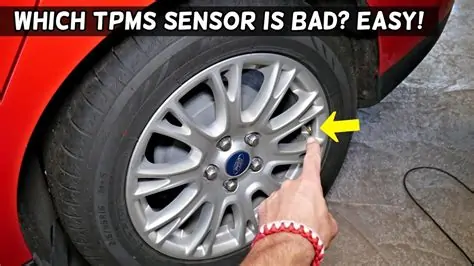
Learn about TPMS sensors, their symptoms, diagnostic tools, testing steps, and the importance of replacing faulty sensors for optimal vehicle safety.When it comes to maintaining your vehicle, understanding the importance of your Tire Pressure Monitoring System (TPMS) is crucial. TPMS sensors play a vital role in ensuring your tires are properly inflated, contributing to safer driving and improved fuel efficiency. However, like any component, these sensors can fail over time, leading to inaccurate readings and potentially dangerous situations on the road. In this blog post, we’ll explore how to identify a bad TPMS sensor through common symptoms and effective diagnostic tools. We’ll provide step-by-step testing procedures and emphasize the importance of replacing faulty sensors to ensure your vehicle remains safe and efficient. Whether you’re a seasoned mechanic or a curious driver, this guide will equip you with the knowledge needed to address TPMS issues confidently.
Understanding TPMS Sensors
Tire Pressure Monitoring System (TPMS) sensors are essential components in modern vehicles, designed to help monitor the air pressure in your tires. These sensors play a crucial role in maintaining vehicle safety and performance by providing real-time data about tire pressure. In this section, we’ll explore what TPMS sensors are, how they work, and why they are important for your vehicle.
What is a TPMS Sensor?
A TPMS sensor is a small device installed within each tire that measures the air pressure. The information collected by the sensors is transmitted wirelessly to your car’s onboard computer, which displays the readings on your dashboard. There are two main types of TPMS:
- Direct TPMS: Measures the pressure directly using sensors within each tire.
- Indirect TPMS: Uses wheel speed sensors found in the ABS system to estimate tire pressure based on the rotational speed of the tires.
How Do TPMS Sensors Work?
TPMS sensors continuously monitor the tire pressure and alert the driver if it drops below a certain threshold, usually around 25% less than the recommended pressure. When the pressure is low, a light will illuminate on your dashboard, indicating a potential issue.
Why Are TPMS Sensors Important?
Proper tire pressure is essential for vehicle safety, improved fuel efficiency, and extended tire life. TPMS sensors help to:
- Prevent tire blowouts and accidents caused by under-inflated tires.
- Improve gas mileage by ensuring tires are inflated to the correct level.
- Extend tire lifespan, resulting in cost savings on tire replacements.
Regularly monitoring your TPMS system ensures you are informed about your tire conditions and can take timely actions if the pressure is inadequate. Understanding the role of TPMS sensors is the first step in maintaining a safe and efficient vehicle.
Common Symptoms of a Bad TPMS Sensor
The Tire Pressure Monitoring System (TPMS) is essential for maintaining the safety and efficiency of your vehicle. When the TPMS sensors are functioning properly, they help monitor the pressure of your tires and alert you when they are low. However, if these sensors start to fail, they can lead to various issues. Here are some common symptoms of a bad TPMS sensor:
- Illuminated TPMS Warning Light: The most obvious sign of a faulty TPMS sensor is when the warning light on your dashboard lights up. If it stays on or blinks intermittently, it indicates a problem with the system.
- Inaccurate Tire Pressure Readings: If you find that your tire pressure readings are consistently inaccurate, either showing incorrect values or fluctuating erratically, this could be a sign that one or more sensors are malfunctioning.
- Constantly Low Tire Pressure Alerts: If your TPMS alerts you that your tire pressure is low, but your tires are adequately inflated, it may indicate a bad sensor.
- Sensor Failures at Different Times: A car experiencing multiple sensor failures—where different sensors appear to fail at separate times—often signals that there’s an underlying issue affecting the entire system.
- Unresponsive to Tire Pressure Changes: If your TPMS does not respond when you inflate your tires or when there’s a change in pressure, it may suggest that the sensors are not functioning.
If you notice any of these symptoms, it’s important to have your TPMS sensors checked as soon as possible to ensure your vehicle remains safe and operating optimally.
Diagnostic Tools for TPMS Sensors
The Tire Pressure Monitoring System (TPMS) is crucial for maintaining your vehicle’s safety and efficiency. However, diagnosing issues with TPMS sensors can be challenging without the right tools. Here is a breakdown of essential diagnostic tools that can help you determine whether your TPMS sensors are working correctly.
1. TPMS Scan Tool
A TPMS scan tool is a specialized device designed to communicate with the TPMS control module in a vehicle. This tool can:
- Read sensor IDs: Identify the unique ID of each TPMS sensor in your vehicle.
- Check sensor data: Analyze pressure readings, temperature, and battery status.
- Reprogram sensors: Reset or reprogram TPMS sensors after replacement.
2. Digital Tire Pressure Gauge
A good-quality digital tire pressure gauge is helpful for quickly checking the tire pressure manually. While this tool does not diagnose TPMS sensor failures directly, it can help you ensure that the tire pressure reading from the TPMS sensors is accurate:
- Compare readings: Use the gauge to compare the pressure readings from the TPMS and your manual measurement.
- Identify under-inflation: If there’s a significant difference, it may indicate a faulty sensor.
3. Oscilloscope
An oscilloscope can be a more advanced tool to diagnose TPMS sensors, as it provides a visual representation of the sensor’s signal. This tool helps to:
- Analyze waveforms: Visualize the varying voltage signals generated by the TPMS sensors.
- Diagnose sensor issues: Identify recurring patterns that might indicate malfunctioning sensors.
4. Tire Pressure Monitoring System Emulator
A TPMS emulator simulates the operation of TPMS sensors. This tool is useful for testing the TPMS system after repairs or replacements:
- Test system functionality: Check the vehicle’s response to various sensor readings.
- Validate repairs: Ensure that the entire TPMS system is functioning correctly after maintenance.
5. OEM Manufacturer Tools
Many automotive manufacturers offer specific diagnostic tools designed for their vehicles. These OEM tools can:
- Provide vehicle-specific diagnostics: Offer information tailored for your vehicle’s make and model.
- Access advanced features: Some models include advanced TPMS diagnostics and settings not available in generic tools.
Using the right diagnostic tools is essential for accurately assessing the condition of your TPMS sensors. By investing in these tools, you can save time and money while ensuring your vehicle’s safety on the road.
Steps for Testing a TPMS Sensor
TPMS (Tire Pressure Monitoring System) sensors play a crucial role in maintaining optimal tire pressure and ensuring safety on the road. If you suspect that your TPMS sensor may be malfunctioning, follow these steps to effectively test it.
1. Gather Necessary Tools
Before you begin testing your TPMS sensor, make sure you have the following tools at hand:
- OBD-II Scanner
- TPMS Tool/Reader
- Tire Pressure Gauge
- Safety Gloves
2. Check Tire Pressure
Start by using a tire pressure gauge to check the actual tire pressure. Ensure that the pressures match the manufacturer’s recommended levels, which can usually be found on the driver’s side door jamb or in the vehicle’s manual.
3. Use the OBD-II Scanner
Connect your OBD-II scanner to the vehicle’s diagnostic port:
- Turn on the ignition without starting the engine.
- Launch the OBD-II scanner and navigate to the TPMS section.
- Read any fault codes that may indicate a malfunctioning TPMS sensor.
4. Test Each Sensor with a TPMS Tool
Next, use the TPMS tool to test each individual sensor:
- Activate each TPMS sensor by following the tool’s instructions.
- Check the readings to ensure they correspond with the actual tire pressures.
- Note any sensors that do not communicate with the tool or provide incorrect readings.
5. Inspect the Sensor Physically
If you identify any discrepancies during testing, visually inspect the TPMS sensors:
- Look for signs of damage or wear.
- Ensure the sensor valve is not leaking.
- Sensors should be securely attached to their respective valves.
6. Reset the TPMS System
After testing, you may need to reset the TPMS system to clear any fault codes:
- Turn on the ignition.
- Follow the manufacturer’s procedure for resetting the TPMS.
- Test drive the vehicle and make sure the TPMS warning light turns off.
If the problem persists after following these steps, it may be a sign that your TPMS sensor is indeed faulty and needs replacing. Regularly testing and maintaining your TPMS sensors can help ensure your vehicle remains safe and efficient on the road.
Importance of Replacing Faulty TPMS Sensors
The Tire Pressure Monitoring System (TPMS) plays a crucial role in maintaining vehicle safety and performance. A faulty TPMS sensor can lead to a variety of issues that not only compromise safety but can also affect the longevity and efficiency of your vehicle. Here are some key points explaining the importance of replacing faulty TPMS sensors.
1. Enhanced Safety
Faulty TPMS sensors may provide inaccurate readings, which can lead to under-inflated tires. This can increase the risk of blowouts or accidents. By replacing these sensors promptly, you ensure:
- Proper tire inflation
- Improved traction and handling
- Reduced risk of tire failure
2. Improved Fuel Efficiency
Under-inflated tires caused by faulty sensors can lead to increased rolling resistance, which may cause your vehicle to consume more fuel. Keeping your TPMS in optimal condition helps maintain:
- Proper tire pressure
- Better fuel economy
- Lower emissions
3. Extend Tire Life
Maintaining the correct tire pressure contributes significantly to the longevity of your tires. When TPMS sensors are functioning properly, they help prevent uneven wear and extend the lifespan of your tires. Reasons to consider include:
- Better wear patterns
- Decreased frequency of tire replacement
- Cost savings over time
4. Compliance with Regulations
Many regions have laws requiring vehicles to be equipped with a functioning TPMS. Driving with a faulty sensor may result in:
- Fines and penalties
- Failure during vehicle inspections
- Increased insurance premiums
5. Avoiding Additional Repairs
Ignoring a malfunctioning TPMS sensor can lead to additional issues. For example, driving on under-inflated tires can stress suspension components and lead to costly repairs. By replacing faulty sensors on time, you can:
- Minimize wear and tear on vehicle components
- Avert more significant mechanical problems
- Save money in the long run
Therefore, it is essential to monitor your TPMS sensors regularly and replace any faulty units immediately. Doing so not only enhances your vehicle’s performance but also ensures the safety of you and your passengers on the road.
Frequently Asked Questions
What does TPMS stand for?
TPMS stands for Tire Pressure Monitoring System, which is designed to monitor the air pressure in your tires.
What are common signs that indicate a bad TPMS sensor?
Common signs of a bad TPMS sensor include a warning light on the dashboard, inconsistent tire pressure readings, and a sensor not responding when tires are inflated.
How can I check if my TPMS sensor is functioning properly?
You can check the functionality by using a TPMS tool to see if the sensor communicates with the vehicle’s computer or by having a professional inspect it.
What happens if a TPMS sensor fails?
If a TPMS sensor fails, you may not receive alerts about low tire pressure, which can lead to unsafe driving conditions.
Can I replace a bad TPMS sensor myself?
While it’s possible to replace a TPMS sensor yourself, it often requires specialized tools and knowledge, so many people prefer to have a professional do it.
How much does it typically cost to replace a TPMS sensor?
The cost to replace a TPMS sensor can range from $50 to $150 per sensor, depending on the vehicle make and model.
Is it necessary to reset the TPMS after replacing a sensor?
Yes, after replacing a TPMS sensor, it is necessary to reset the system to ensure that it recognizes the new sensor and accurately monitors tire pressure.