
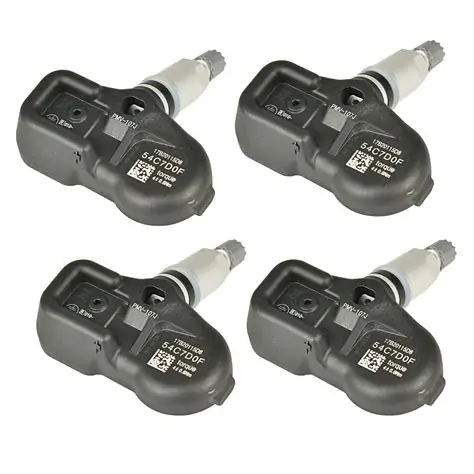
Discover the essentials of TPMS sensors, their lifespan, maintenance tips, and ways to extend their longevity for your Toyota vehicle.When it comes to vehicle safety and performance, Tire Pressure Monitoring System (TPMS) sensors play a crucial role in ensuring your tires are properly inflated. For Toyota owners, understanding how long these sensors last can save you time, money, and stress down the road. In this blog post, we’ll delve into the intricacies of TPMS sensors, exploring the various factors that affect their lifespan and the importance of regular maintenance and care. We’ll also discuss the typical lifespan of Toyota TPMS sensors and provide practical tips for extending their longevity. By the end, you’ll gain valuable insights to keep your Toyota running smoothly and safely, ensuring you’re always aware of your tire conditions. Let’s get started!
Understanding TPMS Sensors
The Tire Pressure Monitoring System (TPMS) sensors are essential components in modern vehicles, designed to monitor the air pressure in your tires. This advanced safety feature plays a critical role in ensuring that your tires remain at optimal pressure, enhancing both safety and fuel efficiency.
TPMS sensors can be categorized into two main types: direct TPMS and indirect TPMS.
| Type | Description | Advantages |
|---|---|---|
| Direct TPMS | Uses pressure sensors located in each tire to provide real-time pressure readings. | Provides accurate pressure readings, alerts the driver immediately. |
| Indirect TPMS | Estimates tire pressure by monitoring wheel speed through the vehicle’s ABS system. | Less expensive to manufacture, uses existing vehicle sensors. |
The primary function of TPMS sensors is to alert drivers when tire pressure falls below the recommended levels, which can lead to:
- Increased tire wear
- Reduced fuel efficiency
- Compromised vehicle safety
Understanding how TPMS sensors work and the value they add to vehicle safety can help drivers maintain their vehicles more effectively. Proper maintenance and timely replacements can extend the life of these sensors and ensure safe driving conditions.
Factors Affecting Sensor Lifespan
The lifespan of TPMS sensors (Tire Pressure Monitoring System sensors) is influenced by various factors. Understanding these factors is essential for maintaining the efficiency of your Toyota vehicles. Here are some key elements that can affect the durability and performance of your TPMS sensors:
- Environmental Conditions: Extreme temperatures, humidity, and exposure to harsh weather can significantly impact sensor longevity. Sensors are designed to operate within certain temperature ranges, and prolonged exposure to extremes can lead to premature failure.
- Road Conditions: Rough terrain, potholes, and uneven surfaces can put stress on tires and sensors. Regularly driving on challenging roads may cause physical damage to the sensors and shorten their lifespan.
- Battery Life: Most TPMS sensors are powered by batteries that typically last around 5 to 10 years. Factors like temperature fluctuations and sensor usage can affect battery performance. If the battery dies, the entire sensor may need to be replaced.
- Maintenance Practices: Regular maintenance of tires and rims contributes to the health of TPMS sensors. Failing to check tire pressure or neglecting to rotate tires may place additional strain on sensors.
- Sensor Quality: The brand and quality of the TPMS sensors play a crucial role in their lifespan. Higher-quality sensors are generally more durable and resistant to environmental stresses.
By being aware of these factors, Toyota owners can take proactive steps to maintain their TPMS sensors, ensuring reliable performance and safety on the road.
Regular Maintenance and Care
Regular maintenance and care are essential for ensuring the longevity and reliable performance of Toyota TPMS sensors. Here are some strategies to keep your TPMS sensors in optimal condition:
- Routine Inspections: Regularly inspect your TPMS sensors during routine vehicle maintenance. Look for any signs of damage or wear, including corrosion around the sensor and valve stem.
- Check Tire Pressure: Keeping your tires properly inflated not only enhances performance but also prevents undue stress on the TPMS sensors. Make it a habit to check your tire pressure monthly.
- Replace Batteries: If your TPMS sensors are battery-operated, ensure to replace the batteries as recommended by the manufacturer. A dying battery can lead to sensor malfunctions.
- Monitor Warning Lights: Always pay attention to the dashboard warning lights. If the TPMS light illuminates, it indicates a potential issue with one or more sensors.
- Avoid Tire Damage: Be cautious of road hazards such as potholes, debris, or sharp objects that can damage both tires and TPMS sensors.
Implementing these maintenance tips can significantly extend the lifespan of your Toyota TPMS sensors and ensure that they function effectively to keep you informed about your tire conditions.
Typical Lifespan of Toyota TPMS Sensors
The Tire Pressure Monitoring System (TPMS) sensors in Toyota vehicles play a crucial role in ensuring the safety and performance of your vehicle. Understanding the typical lifespan of these sensors can help you maintain your vehicle effectively.
On average, Toyota TPMS sensors are designed to last between 5 to 10 years or roughly 50,000 to 100,000 miles during regular driving conditions. However, several factors can influence their lifespan:
| Factor | Description |
|---|---|
| Temperature Extremes | Exposure to very hot or cold weather can affect the electronics and battery life of the sensors. |
| Physical Damage | Road debris, potholes, or accidents can cause damage to the sensors, leading to premature failure. |
| Battery Life | Most TPMS sensors have a built-in battery that typically lasts around 5 to 10 years. |
| Moisture and Corrosion | Moisture can compromise sensor components, especially when exposed to road salt and other corrosive materials. |
It’s essential to keep an eye on the performance of your TPMS sensors. You will often receive a warning light on your dashboard if there is an issue with your tire pressure. If you notice frequent warnings or your sensors are not functioning as intended, it may be time to consider a replacement.
Finally, to ensure the longevity of your Toyota TPMS sensors, regular maintenance and checks can make a significant difference. By monitoring tire pressure regularly and having your tires rotated, you can help extend the lifespan of your sensors.
Extending the Lifespan of TPMS Sensors
Extending the lifespan of TPMS sensors is a crucial aspect for any vehicle owner, especially for those who operate Toyota models. These vital sensors monitor tire pressure, ensuring optimal performance, safety, and fuel efficiency. Here are effective strategies to help you maximize the lifespan of your TPMS sensors:
1. Regular Tire Maintenance
Routine tire maintenance is essential in prolonging the life of your TPMS sensors. This includes:
- Regularly checking tire pressure to ensure it is within the manufacturer’s recommended range.
- Aligning and balancing tires periodically to reduce unnecessary stress on the sensors.
- Rotating tires according to the vehicle’s maintenance schedule.
2. Sensor Housing Protection
TPMS sensors are often housed inside the tire, making them susceptible to damage from road debris and harsh driving conditions. You can take some preventative measures:
- Choose high-quality tires that provide better protection and are recommended for your Toyota.
- Avoid running over sharp objects or potholes that can potentially damage the tires and the sensors.
3. Battery Maintenance
TPMS sensors are equipped with batteries, which have a limited lifespan. Here’s how to extend their life:
- Monitor the battery condition during routine maintenance checks and replace them if necessary.
- Consider using OEM sensors that are designed specifically for your vehicle, as they may have longer-lasting batteries.
4. Environmental Considerations
Extreme temperatures can affect sensor performance. To mitigate this:
- Park in shaded areas or garages when possible to avoid prolonged exposure to high temperatures.
- Embrace winter tire storage practices to reduce wear and tear during off-seasons.
5. Timely Repairs
If you notice any signs of malfunction, such as warning lights on your dashboard or inconsistent tire pressures, don’t delay repairs:
- Address issues promptly to avoid further damage to the TPMS sensors.
- Consult with a certified technician for proper diagnostics and repairs to the tire pressure monitoring system.
By following these tips, you can effectively extend the lifespan of your Toyota TPMS sensors, ensuring they continue to provide accurate tire pressure readings and enhance your driving safety for years to come.
Frequently Asked Questions
What is a TPMS sensor?
A Tire Pressure Monitoring System (TPMS) sensor is a device that monitors the air pressure inside the tires of a vehicle and alerts the driver when the pressure falls below a certain threshold.
How long do Toyota TPMS sensors typically last?
Toyota TPMS sensors typically last between 5 to 10 years, depending on driving conditions and maintenance.
What factors can affect the lifespan of TPMS sensors?
Factors such as extreme temperatures, exposure to road salts, and general wear and tear can shorten the lifespan of TPMS sensors.
How can I tell if my TPMS sensors are failing?
Common signs of failing TPMS sensors include the tire pressure warning light remaining illuminated, inconsistencies in tire pressure readings, or the system failing to alert when the pressure is low.
Can I replace just the TPMS sensors or do I need new tires too?
You can replace just the TPMS sensors separately; it is not necessary to purchase new tires unless they are also worn out.
What should I do if my TPMS light comes on?
If your TPMS light comes on, check your tire pressures and inflate them if necessary. If the light remains on or blinks, have your sensors checked for possible issues.
Are there any maintenance tips to extend the life of TPMS sensors?
Regularly check tire pressures, avoid hitting potholes, and keep tires aligned and balanced, as these practices can help extend the life of your TPMS sensors.