
Discover the essentials of TPMS sensors, their importance, typical numbers, locations, and benefits for maintaining optimal tire performance and safety.When it comes to vehicle safety and performance, staying informed about your car’s tire health is crucial. Tire Pressure Monitoring Systems (TPMS) play an essential role in ensuring that your tires are properly inflated, which directly affects fuel efficiency, tire longevity, and, most importantly, your safety on the road. In this blog post, we will delve into the world of TPMS sensors, exploring what they are and why they matter. We will discuss the typical number of sensors found in most vehicles, their locations, and the myriad benefits they offer. Understanding these components will not only enhance your knowledge of vehicle maintenance but also empower you to make informed decisions about tire care. Let’s get started!
What are TPMS sensors?
TPMS, or Tire Pressure Monitoring System, sensors are essential components of modern vehicles designed to monitor the air pressure inside the tires. These sensors provide real-time feedback about tire pressure levels to the driver, ensuring that the tires are always properly inflated for optimal performance and safety.
There are two main types of TPMS sensors: Direct TPMS and Indirect TPMS.
- Direct TPMS uses sensors mounted on each tire that directly measure the air pressure within. This data is sent to the vehicle’s onboard computer, which then provides readings to the driver.
- Indirect TPMS does not measure tire pressure directly. Instead, it works by monitoring the wheel speed sensors and comparing the rotational speed of each tire. If a tire is significantly under-inflated, it will have a different rotational speed, triggering a warning to the driver.
Understanding how these sensors function is vital for maintaining tire health and ensuring driving safety. A properly operating TPMS can help prevent unexpected tire blowouts, improve fuel efficiency, and extend the overall lifespan of the tires.
In addition, when a tire’s pressure drops below a certain threshold, the TPMS triggers a warning light on the dashboard. This early warning system is invaluable for preventing accidents and breakdowns due to under-inflated tires.
In essence, TPMS sensors are crucial tools that enhance vehicle safety by providing necessary information that drivers may otherwise overlook or underestimate.
The importance of TPMS sensors
Tire Pressure Monitoring System (TPMS) sensors play a critical role in vehicle safety and performance. These sensors are designed to monitor the inflation pressure of your vehicle’s tires in real time, alerting drivers when pressure falls below a safe level. The importance of TPMS sensors can be highlighted through several key points:
- Enhanced Safety: Proper tire pressure is essential for safe driving. Under-inflated tires can lead to decreased traction, longer stopping distances, and increased risk of tire blowouts. TPMS sensors provide valuable information that can help prevent such incidents.
- Improved Fuel Efficiency: Maintaining optimal tire pressure helps improve fuel efficiency. When tires are properly inflated, they reduce rolling resistance, which allows the engine to work more efficiently and can lead to better gas mileage.
- Extended Tire Life: Keeping tires at the correct pressure helps to minimize uneven tire wear. This ensures that your tires last longer, saving you money on replacements and providing better performance over time.
- Environmental Impact: Properly inflated tires not only improve fuel efficiency but also reduce harmful emissions. By ensuring every tire is at its optimal pressure, vehicles run more efficiently, contributing to a lower carbon footprint.
- Regulatory Compliance: Many regions have regulations requiring vehicles to be equipped with functioning TPMS systems. Adhering to these regulations is not only a legal obligation but also promotes road safety.
Effective TPMS sensors implementations enhance vehicle safety and efficiency, leading to a better driving experience. – Automotive Safety Expert
In summary, the significance of TPMS sensors cannot be overstated. They are an integral component of modern vehicles, ensuring that drivers remain informed about their tire conditions, thus promoting safety, efficiency, and compliance with regulations.
Typical number of TPMS sensors
When it comes to TPMS sensors (Tire Pressure Monitoring System), understanding how many sensors are typically equipped in a vehicle is essential for both safety and performance. Most modern cars come with a standard number of TPMS sensors that directly correlate to the number of tires on the vehicle. Here’s a breakdown:
- Passenger Vehicles: Typically, these vehicles are equipped with four TPMS sensors, one for each tire. This setup allows the system to monitor tire pressure accurately and alert the driver if any tire is under-inflated.
- Trailers: If your vehicle is equipped to tow, trailers may vary in the number of TPMS sensors based on the number of tires they have. It’s common to have one sensor for each tire, meaning a typical trailer could have two to eight sensors.
- Commercial Vehicles: Larger vehicles such as buses or trucks may have additional sensors. The number can vary widely depending on the vehicle’s design, but it can range from four to twenty sensors based on the tire configuration.
Understanding Different Types of TPMS
There are mainly two types of TPMS:
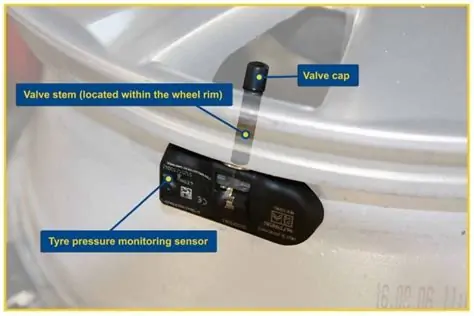
- Direct TPMS: Uses individual sensors mounted on the valve stem of each tire, providing precise pressure readings from each tire.
- Indirect TPMS: Instead of using physical sensors, it monitors the vehicle’s ABS (Anti-lock Braking System) wheel speed sensors to determine if a tire is under-inflated.
Both systems aim to provide timely warnings to prevent tire-related accidents.
In summary, the typical number of TPMS sensors in a vehicle generally corresponds to the number of tires, with most passenger cars having a standard of four sensors. However, this can vary significantly in larger vehicles and trailers. Understanding the configuration of TPMS sensors on your vehicle is crucial for maintaining tire safety and performance.
Location of TPMS sensors
The Tire Pressure Monitoring System (TPMS) is a crucial safety feature in modern vehicles, helping to ensure that tires are properly inflated. Understanding the location of TPMS sensors is essential for effective maintenance and troubleshooting. Here’s a breakdown of where you can typically find these sensors in your car.
Common Locations for TPMS Sensors
- Inside the Tires: Most TPMS sensors are located within each tire, attached to the valve stem. This placement allows them to measure the tire pressure accurately.
- On the Valve Stems: In many vehicles, the sensors are mounted directly on the valve stems, making them easily accessible during tire changes or maintenance.
- Centralized Location: Some newer models might have a centralized TPMS that gathers data from all tires, originating from multiple sensors installed in different tires.
Sensor Types and Their Locations
| Sensor Type | Location | Description |
|---|---|---|
| Direct TPMS Sensors | In each tire | These sensors measure the actual tire pressure and send real-time data to the vehicle’s onboard computer. |
| Indirect TPMS | Wheel speed sensors | This system uses existing wheel speed sensors to measure tire pressure indirectly by analyzing differences in wheel speed. |
It’s important to know the location of TPMS sensors to ensure proper maintenance. If you ever experience a TPMS warning light on your dashboard, it’s advisable to check the tire pressure and inspect the sensors for any potential issues.
Benefits of TPMS sensors
Tire Pressure Monitoring System (TPMS) sensors play a crucial role in enhancing vehicle safety and performance. Here are the key benefits of having these sensors in your car:
- Improved Safety: The primary benefit of TPMS sensors is the enhancement in vehicle safety. By monitoring tire pressure in real-time, these sensors alert drivers to low tire pressure which can lead to blowouts and accidents.
- Enhanced Fuel Efficiency: Properly inflated tires improve the vehicle’s fuel economy. TPMS sensors help maintain optimal tire pressure, which can lead to significant savings on fuel costs.
- Extended Tire Life: Maintaining the correct tire pressure can help in reducing tire wear and tear. TPMS sensors help in ensuring that tires are inflated to the manufacturer’s recommended levels, thus extending their lifespan.
- Environmental Benefits: By ensuring proper tire pressure and improving fuel efficiency, TPMS sensors contribute to lower carbon emissions. A well-maintained vehicle is more eco-friendly.
- Convenience: With TPMS sensors, drivers no longer have to manually check tire pressure. The system provides alerts directly to the dashboard, simplifying vehicle maintenance.
Incorporating TPMS sensors in modern vehicles has revolutionized the way we monitor tire health, leading to safer and more efficient driving experiences.
Frequently Asked Questions
What is a TPMS sensor?
A TPMS (Tire Pressure Monitoring System) sensor is a device that monitors the air pressure in a vehicle’s tires and alerts the driver if any tire is significantly under-inflated.
How many TPMS sensors does a typical car have?
Most cars are equipped with four TPMS sensors, one for each tire.
Are there cars that have more than four TPMS sensors?
Yes, some vehicles, especially those with a full-size spare tire or those designed for off-road use, can have additional TPMS sensors.
What happens if a TPMS sensor fails?
If a TPMS sensor fails, the system may trigger a warning light on the dashboard, indicating that the tire pressure may not be properly monitored.
Can I replace a TPMS sensor myself?
While it’s possible to replace a TPMS sensor yourself, it is recommended to have a professional do it since specialized tools and equipment may be needed to reset the system.
How do I know if my TPMS sensors need to be replaced?
Indicators such as a constant TPMS warning light, inaccurate pressure readings, or physically damaged sensors are signs that TPMS sensors may need replacement.
Is it necessary to have TPMS sensors in all vehicles?
Since 2008, all new vehicles sold in the United States are required to have a functioning TPMS as a safety feature, but older models may not have them.