
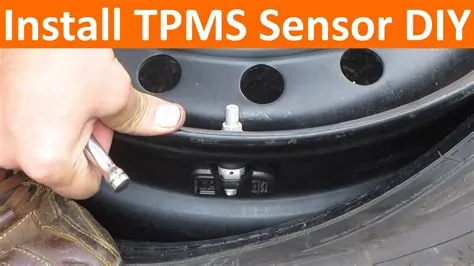
Explore TPMS sensors: learn about their lifespan, replacement tips, signs of failure, and maintenance practices to ensure optimal vehicle safety and performance.When it comes to vehicle safety, Tire Pressure Monitoring System (TPMS) sensors play a crucial role in ensuring your tires are properly inflated. These sensors not only enhance your understanding of tire health but also contribute to better fuel efficiency and prolonged tire life. However, just like any other component of your vehicle, TPMS sensors don’t last indefinitely. The lifespan of these sensors can be influenced by various factors, including environmental conditions and driving habits. In this blog post, we will explore how often TPMS sensors should be replaced, delve into manufacturer recommendations, identify signs of a failing sensor, and discuss best practices for maintaining your TPMS. By understanding these aspects, you can ensure your vehicle remains safe and efficient on the road.
Understanding TPMS Sensors
Tire Pressure Monitoring System (TPMS) sensors are crucial components in modern automobiles, designed to monitor tire pressure and alert drivers when tire pressure is dangerously low. These sensors are essential for maintaining vehicle safety, optimizing fuel efficiency, and ensuring tire longevity.
TPMS sensors come in two main types: direct and indirect.
| Type | Description | Advantages |
|---|---|---|
| Direct TPMS | These sensors are installed in each tire and measure the actual tire pressure. |
|
| Indirect TPMS | This system uses the vehicle’s ABS (Anti-lock Braking System) to measure tire speed, inferring pressure changes. |
|
TPMS sensors are typically battery-operated, and their lifespan can vary based on several factors. Understanding how these sensors operate and the conditions that may affect their longevity is essential for maintaining your vehicle’s performance.
When considering the replacement of TPMS sensors, it’s essential to adhere to manufacturer recommendations. Most manufacturers suggest replacing TPMS sensors every 5 to 10 years, or whenever the tires are replaced. Regular maintenance and being aware of the signs of a failing sensor can help ensure that your TPMS system operates correctly, keeping you safe on the road.
Factors Affecting Sensor Lifespan
The lifespan of TPMS (Tire Pressure Monitoring System) sensors can vary based on several factors. Understanding these factors is essential for maintaining optimal vehicle performance and ensuring safety on the road. Here, we highlight the key elements that influence the longevity of TPMS sensors:
- Type of Sensor: There are two primary types of TPMS sensors: direct and indirect. Direct sensors, which measure tire pressure in real-time, generally have a longer lifespan compared to indirect sensors that rely on the vehicle’s ABS system.
- Environmental Conditions: Exposure to harsh environmental conditions, such as extreme temperatures, road salt, and moisture, can negatively impact the durability of TPMS sensors.
- Battery Life: Many direct TPMS sensors are powered by batteries that can deplete over time. The average lifespan of these batteries ranges from 5 to 10 years, and once the battery dies, the entire sensor may need to be replaced.
- Usage Patterns: Frequent short trips may have a different impact compared to long-distance driving habits. Sensors can wear out more quickly under conditions that require them to work harder.
- Tire Maintenance: Regular tire maintenance, including rotations and alignments, can extend the life of TPMS sensors. Poor maintenance can lead to misalignments, causing sensors to malfunction.
- Quality of Sensor: The manufacturer and quality of the TPMS sensor itself play a significant role. High-quality sensors often come with better warranties and longer lifespans than cheaper alternatives.
By understanding these factors, vehicle owners can make informed decisions regarding the maintenance and replacement of their TPMS sensors, ultimately ensuring a safer driving experience.
Manufacturer Recommendations for Replacements
The Tire Pressure Monitoring System (TPMS) is a crucial safety feature in modern vehicles, designed to alert drivers when tire pressure falls below recommended levels. Over time, TPMS sensors can wear out and may require replacement. Understanding the manufacturers’ recommendations for replacements is essential for maintaining the effectiveness of this system.
Most manufacturers suggest that TPMS sensors should be replaced every 5 to 10 years or once they have reached a mileage of around 50,000 to 100,000 miles. However, the exact replacement interval can vary based on several factors such as:
- Sensor Quality: Different manufacturers produce sensors that may vary in durability, affecting lifespan.
- Driving Conditions: Frequent driving on rough terrain or in extreme weather can lead to earlier sensor failure.
- Tire Changes: It’s generally recommended to replace sensors when new tires are installed.
- Battery Life: Some TPMS sensors are battery-operated and may require replacement once the battery fails.
Here is a summary of typical manufacturer recommendations for TPMS sensor replacements:
| Manufacturer | Replacement Interval (Years) | Replacement Interval (Mileage) |
|---|---|---|
| General Motors | 5-10 | 50,000-100,000 |
| Ford | 5-10 | 60,000-100,000 |
| Toyota | 5-10 | 50,000-100,000 |
| Honda | 5-10 | 50,000-100,000 |
Always consult your vehicle’s owner manual for specific TPMS sensor guidelines pertaining to your make and model. Regular maintenance and timely replacements are crucial in ensuring that your TPMS continues to function correctly and keeps your driving experience safe.
Signs of a Failing TPMS Sensor
A Tire Pressure Monitoring System (TPMS) is an essential component of modern vehicles, designed to alert you when your tires are under-inflated or if there is a malfunction. Understanding the signs of a failing TPMS sensor can help you maintain your vehicle’s safety and efficiency. Below, we outline some of the key indicators that your TPMS sensor might be failing:
- Warning Light Activation: If the TPMS warning light on your dashboard illuminates, it’s one of the most obvious signs that something is amiss. This light typically appears when tire pressure drops below a certain threshold or when there is a problem with the TPMS itself.
- Inconsistent Tire Pressure Readings: If you notice fluctuating or inaccurate tire pressure readings, your TPMS sensor may be malfunctioning. A functional sensor should provide consistent and accurate data.
- Random Alerts: If your vehicle sends false alerts or beeps even when your tire pressure is normal, it could indicate a sensor failure. This can be frustrating and is often a sign of a malfunctioning TPMS.
- Physical Damage: Inspect the TPMS sensor (typically located on the tire’s valve stem) for any visible damage or wear. A damaged sensor may need to be replaced to ensure proper function.
- Delayed Response: A properly functioning TPMS sensor should respond quickly to changes in tire pressure. If you experience a delay in alerts or checks, it’s worth having the sensor evaluated.
If you notice any of these symptoms, it is important to have your TPMS checked by a qualified technician as soon as possible to ensure y
Best Practices for TPMS Maintenance
The Tire Pressure Monitoring System (TPMS) is an essential safety feature in modern vehicles, designed to alert drivers about under-inflated tires. Proper maintenance of TPMS ensures not only the longevity of the sensors but also the safety and performance of your vehicle. Here are some best practices to follow for effective TPMS maintenance:
- Regularly Check Tire Pressure: Maintain optimal tire pressure as recommended by the vehicle manufacturer. Use a reliable tire pressure gauge to check the pressure at least once a month.
- Visual Inspection: Perform visual inspections of your tires and TPMS sensors regularly. Look for signs of damage, such as cracks or visible wear.
- Rotate Tires: Rotate your tires based on the manufacturer’s recommendation. This helps in even wear and extends the life of both your tires and TPMS sensors.
- Use Correct Tire Size: Always use tires that are compatible with your TPMS. Using incorrect sizes can affect the sensor’s functionality.
- Recalibrate After Tire Changes: If you have recently changed your tires or had them serviced, ensure that the TPMS is recalibrated to correctly monitor the new tires.
- Monitor Battery Life: Some TPMS sensors come with batteries that can wear out over time. Regularly check if your sensors are functioning and replace them if needed.
By following these best practices for TPMS maintenance, you can enhance the performance and lifespan of your tire monitoring system, ensuring safe travels and optimal fuel efficiency.
Maintaining your TPMS is crucial not just for sensor longevity, but also for your safety on the road. – Automotive Expert
Frequently Asked Questions
What are TPMS sensors?
TPMS sensors, or Tire Pressure Monitoring System sensors, are devices installed in vehicles to monitor tire pressure and provide real-time feedback to the driver.
How often should TPMS sensors be replaced?
TPMS sensors typically need to be replaced every 5 to 10 years, or when the battery fails, which may vary depending on the manufacturer’s recommendations.
What signs indicate that TPMS sensors need replacement?
Signs that TPMS sensors may need replacement include a warning light on the dashboard, inaccurate tire pressure readings, or frequent loss of tire pressure.
Can I replace TPMS sensors myself?
While it is possible to replace TPMS sensors yourself, it is recommended to have a professional perform the replacement to ensure proper installation and functionality.
Do all vehicles come with TPMS sensors?
Most vehicles manufactured after 2007 are required to be equipped with TPMS sensors, but older models may not have them.
What happens if I don’t replace faulty TPMS sensors?
Failing to replace faulty TPMS sensors can lead to unsafe driving conditions, as you may not be aware of under-inflated tires, which can increase the risk of tire blowouts.
Will replacing my TPMS sensors affect my car’s performance?
Replacing faulty TPMS sensors generally improves vehicle safety and performance by ensuring accurate tire pressure readings, which are essential for optimal handling and fuel efficiency.