
Discover everything about TPMS sensors, alternative activation methods, manual and OBD relearn procedures, and how to check system functionality effectively.Activating a new Tire Pressure Monitoring System (TPMS) sensor is often seen as a daunting task, especially when tools and technical know-how are required. However, understanding the fundamentals of TPMS sensors can significantly simplify the process, allowing you to confidently handle activation without specialized equipment. In this guide, we’ll explore alternative methods for sensor activation, including manual relearn procedures and the OBD relearn process. We’ll also discuss the importance of checking system functionality after activation to ensure your safety and optimal vehicle performance. Whether you’re a DIY enthusiast or just looking to save time and money, our step-by-step approach will help you navigate the world of TPMS sensors with ease. Let’s dive in and demystify this essential automotive task!
Understanding TPMS sensors
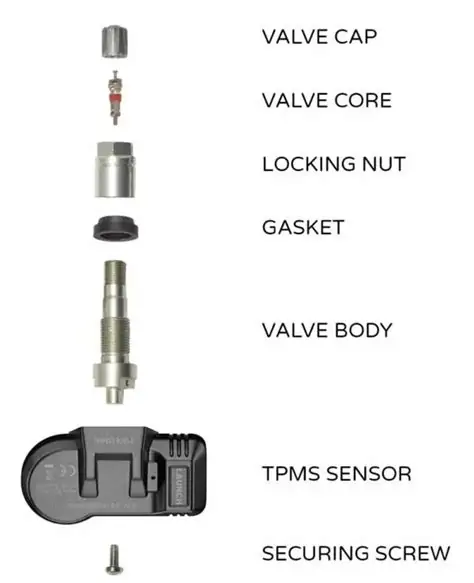
Tire Pressure Monitoring System (TPMS) sensors play a crucial role in ensuring the safety and efficiency of modern vehicles. These sensors are designed to monitor the air pressure inside the tires and alert the driver when the pressure falls below the recommended level. Understanding how these sensors work can help you maintain your vehicle’s performance and prolong tire life.
There are two main types of TPMS: direct TPMS and indirect TPMS.
| Type | Description | Advantages |
|---|---|---|
| Direct TPMS | Uses pressure sensors inside each tire to monitor air pressure directly. | Provides real-time data, more accurate, immediate alerts for pressure loss. |
| Indirect TPMS | Uses the vehicle’s ABS system to estimate tire pressure based on wheel speed. | Less expensive to implement, no additional sensors required. |
When the TPMS warning light activates on your dashboard, it indicates either low tire pressure or a malfunction within the TPMS itself. It’s essential to address this promptly to avoid potential tire failure or decreased fuel efficiency.
In many cases, when a new TPMS sensor is installed, activation may be required to ensure it communicates effectively with the vehicle’s onboard system. This process can differ based on the type of TPMS used and the vehicle model. Some methods for activating TPMS sensors include:
- Tool-Based Activation: Using a dedicated TPMS tool for programming.
- Manual Relearn Procedures: Following specific steps in the owner’s manual to register new sensors.
- OBD Relearn Process: Connecting to the vehicle’s OBD-II port for activation.
Understanding these aspects of TPMS sensors can significantly enhance your vehicle maintenance efforts and ensure safer driving experiences.
Alternative methods for activation
Activating a new TPMS sensor without a specialized tool might seem like a daunting task, but there are several alternative methods you can use to get the job done effectively. Below are some of the most common techniques:
- Manual Relearn Procedure: This method varies by vehicle make and model but typically involves a sequence of driving conditions and tire pressure adjustments that help the car’s system recognize the new sensor. Ensure that all tires are inflated to the recommended pressure before beginning the relearn process.
- OBD Relearn Process: For some vehicles, you can utilize the On-Board Diagnostics (OBD) system. By connecting an OBD-II scanner, you can trigger the vehicle’s TPMS system to search for new sensors. This method may require knowledge of the specific OBD commands related to your vehicle.
- Learn Mode Activation: Some car manufacturers equip their vehicles with a learn mode. Activating this mode typically requires a sequence of interactions with the ignition and gas pedal. This allows the system to detect and learn the new sensor’s signal.
- Driving Cycle: For certain models, simply driving your vehicle can activate the new sensors. The key is to drive the car at a speed of at least 15-20 mph for about 10-30 minutes. During this time, the system will automatically recognize the new sensors and reset the TPMS warning light.
Regardless of the chosen method, be sure to check the activation of your new TPMS sensors to ensure they are functioning appropriately. If the sensor warning light remains illuminated on your dashboard, you may need to revisit the activation process or consult your vehicle’s manual for specific instructions related to your model.
Tip: Always refer to your vehicle’s manual for specific instructions on activating TPMS sensors as methods can vary widely by manufacturer and model.
Using manual relearn procedures
When it comes to activating new TPMS sensors without specialized tools, using manual relearn procedures is one of the most effective methods. This process can be somewhat technical, but it provides a DIY approach that many car enthusiasts and drivers can successfully execute. Below, we’ll outline the key steps to follow.
Steps for Manual Relearn
- Ensure Vehicle is in a Safe Position: Park your vehicle on a flat surface and turn the ignition key to the OFF position.
- Install the New TPMS Sensors: Properly install your new TPMS sensors on the corresponding tire locations.
- Turn the Ignition Key to the ON Position: Do not start the engine; just turn the ignition to ON (II).
- Enable the Tire Pressure Monitoring System: You might need to press the reset button for the TPMS, which is often located beneath the steering wheel or near the fuse box. Hold the button until the TPMS light blinks three times.
- Check Each Tire: In some vehicles, you may need to inflate the tires to the recommended pressure while monitoring the TPMS light. Each time you do this, wait for the light to turn off.
- Drive the Vehicle: In many cases, simply driving the vehicle above 15 mph for about 10 minutes will allow the system to complete its relearn process. Be mindful of the tire pressures during this time.
Notes to Remember
- Refer to your vehicle’s owner manual for specific instructions related to your make and model.
- Manual relearn procedures can vary depending on the vehicle – some may require specific tire pressures or driving conditions.
- If you are unsure or encounter unexpected issues, consulting a professional is always advisable.
By following the manual relearn process, you can successfully activate new TPMS sensors without needing specialized tools. It’s a straightforward process that empowers you to take control of your vehicle’s tire health!
Implementing the OBD relearn process
The OBD relearn process is an effective method for activating new TPMS sensors without the need for specialized tools. This approach leverages the on-board diagnostics system in your vehicle, allowing for a seamless integration of new sensors. Here’s a guide to understanding and implementing the OBD relearn process.
Requirements
- Compatible vehicle with OBD-II system
- New TPMS sensors installed on the tires
- Access to an OBD-II scanner or diagnostic tool
Steps to Follow
- Turn on the Ignition: Insert the key and turn it to the ‘On’ position, but do not start the engine.
- Connect the OBD-II Scanner: Locate the OBD-II port in your vehicle (usually near the driver’s side dashboard) and connect the scanner.
- Select the TPMS Menu: Use the scanner to access the TPMS programming or relearn menu.
- Select Relearn Mode: Choose the option for relearning the TPMS sensors. The specific terminology may vary depending on the scanner you’re using.
- Follow On-Screen Prompts: Adhere to any prompting from the OBD-II scanner to finalize the relearn process.
- Turn Off the Ignition: Once the process is complete, turn off the ignition and disconnect the scanner.
Important Considerations
Not all vehicles support the OBD relearn process for TPMS. Always refer to your vehicle’s service manual for specific instructions regarding your model.
After implementing the OBD relearn process, it’s advisable to check the system’s functionality to ensure that all sensors are reading accurately. This approach not only eliminates the need for additional tools but also simplifies the process of activating new TPMS sensors.
Checking system functionality after activation
After activating a new TPMS (Tire Pressure Monitoring System) sensor, it’s crucial to ensure that the system is functioning correctly. Proper system functionality ensures safety and optimal performance of your vehicle. Here’s how to check the system functionality after activation:
Visual Inspection
- Examine the TPMS warning light on the dashboard. It should turn off after the activation process.
- Inspect each tire for proper inflation. Tires should be inflated to the manufacturer’s recommended pressures.
Driving the Vehicle
One of the simplest ways to check the functionality is to drive your vehicle:
- Take your vehicle for a short drive (around 10–15 minutes).
- Monitor the TPMS warning light; it should remain off during the drive.
Using a TPMS Tool (if available)
If you have access to a TPMS tool, you can perform a more thorough check:
- Connect the tool to the vehicle’s OBD-II port.
- Scan the TPMS system to verify that the new sensor ID is registered correctly.
- Check for any error codes that may indicate a malfunctioning sensor.
Confirming Sensor Readings
To ensure that the TPMS sensor is functioning correctly:
- Check the tire pressure readings displayed on your dashboard or via your TPMS tool.
- Compare these readings with an external tire pressure gauge to ensure they match.
Understanding Common Issues
If you experience any issues, consider the following:
- Make sure that the correct sensor type was installed for your vehicle model.
- Ensure that the sensor is properly paired with the TPMS system.
- Be mindful of any interference that might occur from aftermarket electronic devices.
By following these steps, you can effectively check the system functionality of your new TPMS sensor after activation, ensuring your vehicle remains safe and performs at its best.
Frequently Asked Questions
What is a TPMS sensor?
TPMS stands for Tire Pressure Monitoring System, and a TPMS sensor is a device installed in a vehicle’s tires that monitors the air pressure within them.
Why would I need to activate a new TPMS sensor?
Activating a new TPMS sensor is necessary after replacing the sensors to ensure that your vehicle’s monitoring system accurately reports tire pressure.
Can I activate a TPMS sensor without any tools?
Yes, you can activate a TPMS sensor without tools by following specific procedures depending on your vehicle’s make and model, often involving driving the car or using the vehicle’s onboard systems.
What steps should I follow to activate my TPMS sensor?
To activate a TPMS sensor without tools, start by driving the vehicle at a speed of 50 mph for about 10 minutes, as this can allow the system to recognize the new sensor.
Are there any vehicle makes that specifically allow TPMS activation without tools?
Yes, many vehicles, such as certain models from Ford, Volkswagen, and GM, allow TPMS activation without specialized tools, typically using the car’s ignition and driving patterns to reset.
What happens if I can’t activate the TPMS sensor?
If you are unable to activate the TPMS sensor, you may receive a warning light on your dashboard, indicating that the sensor is not functioning properly or is not recognized by the vehicle’s system.
Is it necessary to see a professional if I can’t activate my TPMS sensor?
While you can attempt to activate the TPMS sensor yourself, if these methods fail or if the warning light persists, it is advisable to consult a professional mechanic for assistance.