
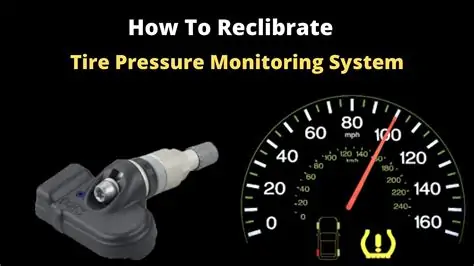
Learn about TPMS sensor calibration, its importance, common issues, and steps to ensure proper calibration for enhanced vehicle safety and performance.Maintaining optimal tire pressure is crucial for vehicle safety and performance, and the Tire Pressure Monitoring System (TPMS) plays a key role in this. However, like any technology, TPMS sensors need calibration to ensure they function correctly. In this blog post, we will explore what TPMS sensor calibration entails, shedding light on its importance and the steps involved in the calibration process. We will also discuss common issues you may encounter during calibration and highlight the benefits of keeping your TPMS sensors properly calibrated. Whether you’re a car enthusiast or simply someone who wants to keep their vehicle in top shape, understanding TPMS sensor calibration is essential for a safe and efficient driving experience.
What is TPMS Sensor Calibration?
The TPMS (Tire Pressure Monitoring System) is an essential safety feature in modern vehicles, designed to monitor the air pressure inside each tire. When the system identifies a tire that is under-inflated, it alerts the driver, thereby reducing the risk of tire blowouts and enhancing overall road safety.
TPMS Sensor Calibration is the process of ensuring that the TPMS sensors accurately report the tire pressure. Calibration is necessary when new sensors are installed, when tires are replaced, or if the performance of existing sensors diminishes over time.
There are typically two types of TPMS: Direct TPMS, which uses sensors located within the tire itself to monitor pressure, and Indirect TPMS, which uses data from the vehicle’s ABS system to estimate tire pressure based on the rotation speed of each tire.
Calibration involves both adjusting the sensors and ensuring that they communicate effectively with the vehicle’s onboard computer. This process guarantees that the readings are accurate and that warning lights are triggered appropriately when tire pressure deviates from the recommended levels.
Overall, TPMS sensor calibration is vital for maintaining vehicle safety, improving fuel efficiency, and prolonging the lifespan of tires. Without proper calibration, drivers may face inaccurate pressure readings, leading to potential hazards on the road.
Why is TPMS Sensor Calibration Important?
The Tire Pressure Monitoring System (TPMS) is a crucial component in modern vehicles, designed to keep you informed about the pressure in your tires. Proper TPMS sensor calibration is essential for a variety of reasons:
- Safety: One of the primary reasons why TPMS sensor calibration is vital is safety. Under-inflated tires can lead to a blowout, loss of control, or accidents. By ensuring that your TPMS is calibrated correctly, you maintain optimal tire pressure, enhancing your vehicle’s safety.
- Fuel Efficiency: Properly inflated tires can improve your vehicle’s fuel efficiency. A miscalibrated TPMS might indicate that your tires are appropriately inflated when they are not, leading to increased fuel consumption. Calibration helps ensure accurate readings.
- Extended Tire Life: Regular calibration of your TPMS can extend the life of your tires. Under-inflation can cause uneven wear, resulting in the need for premature tire replacement. By calibrating your sensors, you can take care of your tires and save money in the long run.
- Enhanced Performance: The handling and overall performance of your vehicle depend significantly on tire pressure. A correctly calibrated TPMS helps ensure that your tires are at the right pressure, allowing your vehicle to respond better to steering inputs and road conditions.
- Legal Compliance: In some regions, maintaining the functionality of a TPMS is not just advisable but required by law. Calibration ensures that your system adheres to regulatory standards.
In summary, TPMS sensor calibration plays a critical role in ensuring safety, improving fuel efficiency, extending tire life, enhancing performance, and complying with legal standards. Regular checks and calibrations should be part of your vehicle maintenance routine.
Steps for Calibrating TPMS Sensor
Calibrating the TPMS (Tire Pressure Monitoring System) sensor is essential for ensuring accurate tire pressure readings. Follow these steps for effective calibration:
- Read the Vehicle Manual: Always start by consulting the vehicle manual. This guide provides specific instructions tailored to your vehicle’s make and model.
- Ensure Safety: Park the vehicle on a flat surface and engage the parking brake. Make sure the tires are at the proper pressure levels as indicated on the driver’s door jamb.
- Turn on the Ignition: Insert the key into the ignition and turn it to the ‘On’ position without starting the engine. This activates the onboard diagnostics system relevant for TPMS calibration.
- Locate the TPMS Reset Button: Typically found beneath the steering wheel or in the glove box, the reset button is crucial for recalibrating the sensors.
- Press the Reset Button: While in the ‘On’ position, press and hold the TPMS reset button until the TPMS light flashes three times and then turns off. This indicates that the system is in calibration mode.
- Check Tire Pressure: Use a tire pressure gauge to ensure that each tire is inflated to the correct levels. The TPMS requires accurate readings to function properly.
- Drive the Vehicle: After completing the above steps, drive the vehicle at a speed of 50 mph or higher for approximately 10-15 minutes. This may help the system fully recalibrate.
- Verify Calibration: After driving, check the TPMS light on the dashboard. If it remains illuminated, repeat the calibration steps or consult a professional mechanic.
If you encounter persistent issues, it’s crucial to have a professional technician examine the TPMS system, as there may be underlying problems needing resolution.
Common Issues with TPMS Sensor Calibration
Calibrating the TPMS (Tire Pressure Monitoring System) sensor is crucial for ensuring accurate tire pressure readings and enhancing vehicle safety. However, this process can encounter several common issues that may hinder its effectiveness. Understanding these problems can help in troubleshooting and ensuring proper calibration. Below, we outline some frequent challenges faced during the calibration of TPMS sensors.
1. Incorrect Sensor Placement
One of the most common issues arises from placing the TPMS sensor in the wrong position within the tire or on the wheel. Ensure that sensors are installed at the designated locations on the vehicle to avoid inaccuracies in readings.
2. Low Battery Life
Many TPMS sensors are powered by batteries. A low or dead battery can lead to communication errors or failure to calibrate properly. Regular checks and replacements of batteries are essential for maintaining sensor functionality.
3. Faulty Sensors
If a sensor has internal damage or was manufactured defectively, it may not calibrate correctly. Testing each sensor individually can help identify faulty units that need replacing.
4. Environmental Factors
Calibration can also be affected by extreme temperature variations or electromagnetic interference from other devices. Performing calibration in a stable environment can help mitigate these issues.
5. Incompatibility with Vehicle Systems
Sometimes, TPMS sensors may not be compatible with certain vehicle models or electronic control systems. Always ensure that the sensor being calibrated is designed for the specific vehicle.
6. Software Glitches
Using outdated or incompatible software for the calibration process can cause problems. Ensure that the calibration tool is updated and compatible with the vehicle’s TPMS system.
7. Miscommunication During Calibration
If the communication between the TPMS tool and the sensor fails during calibration, it may result in inaccurate readings. Ensure that all connections are secure and that you follow the manufacturer’s guidelines closely.
By being aware of these common issues, vehicle owners and technicians can take proactive steps to ensure that TPMS sensor calibration is performed accurately and efficiently, ultimately enhancing vehicle safety.
Benefits of Proper TPMS Sensor Calibration
Proper calibration of the TPMS (Tire Pressure Monitoring System) sensors is crucial for vehicle safety and performance. Below are some key benefits of ensuring your TPMS sensors are correctly calibrated:
- Enhanced Safety: Properly calibrated TPMS sensors provide accurate tire pressure readings, reducing the risk of tire blowouts and accidents.
- Improved Fuel Efficiency: When tires are inflated to the correct pressure, it reduces rolling resistance and can improve fuel economy.
- Extended Tire Life: Keeping tires at the recommended pressure helps in even tire wear, extending their lifespan and saving you money in the long run.
- Optimized Vehicle Performance: Well-calibrated TPMS sensors contribute to better handling and stability of the vehicle.
- Compliance with Regulations: Many regions have laws requiring TPMS in vehicles, ensuring that they are properly calibrated contributes to legal compliance.
In summary, regular calibration of your TPMS sensors not only promotes a safer driving experience but also contributes to overall vehicle efficiency and maintenance.
An ounce of prevention is worth a pound of cure. – Benjamin Franklin
Frequently Asked Questions
What is a TPMS sensor?
A Tire Pressure Monitoring System (TPMS) sensor is a device that monitors the air pressure in the tires of a vehicle and alerts the driver when the pressure falls below a certain threshold.
Why is it important to calibrate TPMS sensors?
Calibrating TPMS sensors ensures accurate tire pressure readings, which is crucial for safety, fuel efficiency, and prolonging tire life.
How often should TPMS sensors be calibrated?
TPMS sensors should be calibrated whenever tires are changed, rotated, or replaced, and also periodically as part of regular vehicle maintenance.
What tools are needed to calibrate TPMS sensors?
Common tools include a TPMS scan tool, a tire pressure gauge, and in some cases, a diagnostic tool specific to your vehicle’s make and model.
Can I calibrate TPMS sensors myself?
Yes, you can calibrate TPMS sensors yourself if you have the right tools and are familiar with the process, but it’s advisable to consult your vehicle’s manual for specific instructions.
What are the signs that my TPMS sensors need calibration?
Signs that TPMS sensors need calibration include a constant warning light on the dashboard, inaccurate tire pressure readings, or when changing tires.
What should I do if my TPMS sensor still doesn’t work after calibration?
If your TPMS sensor still doesn’t work after calibration, it may need to be replaced or checked for other underlying issues in the tire pressure monitoring system.