
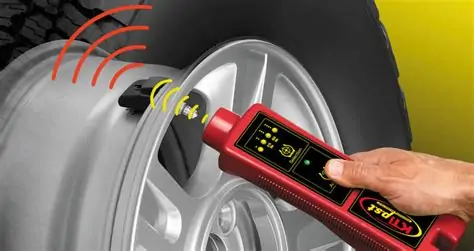
Discover the importance of TPMS sensors, learn how to inspect them visually, and interpret their readings with a TPMS scan tool.Maintaining optimal tire pressure is crucial for the safety and performance of your vehicle, and that’s where Tire Pressure Monitoring System (TPMS) sensors come into play. These intelligent devices play an essential role in alerting drivers about potential tire issues, ensuring a smoother and safer driving experience. In this blog post, we’ll delve into key aspects of TPMS sensors, starting with what they are and why they are vital for vehicle safety. We’ll guide you through visual inspection techniques and discuss how to use a TPMS scan tool to assess the functionality of these sensors. Finally, we’ll explain how to interpret the readings from your TPMS sensor for effective tire maintenance. Whether you’re a seasoned mechanic or a concerned driver, this guide will equip you with the knowledge to keep your tires—and your rides—safe and efficient.
What are TPMS sensors?
TPMS stands for Tire Pressure Monitoring System. It is an essential safety feature in modern vehicles designed to monitor the air pressure in the tires. The primary function of TPMS sensors is to alert the driver when tire pressure falls below a pre-set threshold, which can lead to unsafe driving conditions.
Types of TPMS Sensors
There are two main types of TPMS sensors:
- Direct TPMS: These sensors are mounted inside each tire and directly measure the air pressure. They send real-time data to the vehicle’s onboard computer.
- Indirect TPMS: These sensors do not measure tire pressure directly. Instead, they use the vehicle’s ABS (anti-lock braking system) to monitor wheel speed. If a tire is under-inflated, it will rotate at a different speed than the other tires, triggering a warning.
How TPMS Sensors Work
When a vehicle’s TPMS sensors detect low tire pressure, they activate a warning light on the dashboard. This light can be a simple icon resembling a flat tire or a more detailed alert, depending on the vehicle’s make and model. The monitoring system continually checks for accurate pressure levels and can also warn about over-inflation.
Importance of TPMS Sensors
Maintaining proper tire pressure is crucial for several reasons:
- Improves fuel efficiency by reducing rolling resistance.
- Enhances tire longevity by preventing uneven wear.
- Increases vehicle safety by ensuring optimal handling and braking.
Proper functioning TPMS sensors play a vital role in achieving these benefits and ensuring a safer driving experience.
In summary, understanding TPMS sensors is fundamental for vehicle owners. These sensors not only help maintain safety on the roads but also contribute to the overall efficiency and longevity of the vehicle.
Why are TPMS sensors important?
Tire Pressure Monitoring System (TPMS) sensors play a crucial role in vehicle safety and performance. These sensors are designed to monitor the air pressure in your vehicle’s tires, ensuring they are inflated to the manufacturer-recommended levels. Below are several reasons why TPMS sensors are important:
| Benefit | Description |
|---|---|
| Enhanced Safety | Properly inflated tires reduce the risk of tire blowouts and improve the vehicle’s stability, making driving safer. |
| Fuel Efficiency | Maintaining the correct tire pressure improves fuel economy by optimizing traction and reducing rolling resistance. |
| Tire Longevity | Regular monitoring can help extend the lifespan of your tires by preventing uneven wear caused by improper inflation. |
| Environmental Impact | By improving fuel efficiency and extending tire life, TPMS sensors can contribute to a reduction in your vehicle’s carbon footprint. |
In addition, many states and countries have regulations requiring the installation of TPMS in all new vehicles. Thus, not only do TPMS sensors comply with legal standards, but they also offer peace of mind for drivers who wish to drive with confidence.
Finally, the incorporation of TPMS technology in modern vehicles emphasizes the importance manufacturers place on driver safety and responsible vehicle maintenance.
How to visually inspect TPMS sensors
Visually inspecting TPMS sensors is an essential maintenance step to ensure your vehicle’s tire pressure monitoring system is functioning correctly. Here’s a step-by-step guide on how to conduct a thorough visual inspection:
- Gather Necessary Tools: Before beginning your inspection, make sure you have the following tools:
- Safety gloves
- Tire pressure gauge
- Flashlight
- Digital camera (optional, for documentation)
- Check the Tire Condition: Start with a visual inspection of the tires themselves. Look for:
- Signs of wear and tear
- Cracks or bulges in the rubber
- Foreign objects embedded in the tire
- Inspect the Valve Stems: The valve stems are where the TPMS sensors are usually located. Check for:
- Cracks
- Leaks (look for air hissing or feel for air escaping)
- Discoloration or corrosion
- Look for the Sensor Location: Know where your TPMS sensors are installed. Typically, they are integrated into the tire’s valve stem or mounted inside the tire itself. Inspect the alignment and mounting of each sensor.
- Check for Warning Lights: Start your vehicle and check the dashboard for any warning lights indicating issues with the TPMS. If there are any warning indicators related to tire pressure, it could suggest a faulty sensor.
- Document Findings: If you notice anything unusual, take notes or pictures, especially if you plan to visit a mechanic or technician. This documentation can assist in diagnosing issues.
By regularly performing a visual inspection on your TPMS sensors, you can help maintain the safety and performance of your vehicle. Always remember to consult your vehicle’s manual for specific instructions related to your model.
Using a TPMS scan tool
When it comes to maintaining your vehicle’s safety and performance, Tire Pressure Monitoring System (TPMS) sensors play a crucial role. Using a TPMS scan tool is one of the most efficient ways to check the status of these sensors. Here’s how you can effectively use a TPMS scan tool to ensure your sensors are functioning correctly.
What is a TPMS Scan Tool?
A TPMS scan tool is a specialized device designed to communicate with your vehicle’s TPMS. It allows you to read sensor data, check the status of the sensors, and reset the system when necessary.
Steps to Use a TPMS Scan Tool:
- Gather Required Equipment: You will need a TPMS scan tool, your vehicle’s owner manual, and safety gloves.
- Prepare Your Vehicle: Ensure that your vehicle is parked on a level surface and the ignition is turned off before beginning.
- Connect the Tool: Plug the TPMS scan tool into the vehicle’s OBD-II (On-Board Diagnostics) port, usually located under the dash.
- Turn on the Ignition: Without starting the engine, turn the ignition key to the On position to power up the tool.
- Select the TPMS Function: Navigate through the tool’s interface to select the option that corresponds to TPMS diagnostics.
- Read Sensor Data: Follow the on-screen instructions to read the data from each tire’s sensor. This data typically includes tire pressure, temperature, and battery status.
Interpreting TPMS Sensor Readings
Here’s what to look for when interpreting the sensor readings:
- Normal Tire Pressure: Ensure that the readings match the manufacturer’s recommended tire pressure.
- Low Tire Pressure Warning: If any reading is significantly below the recommended level, it indicates that the tire may need inflation.
- High Temperature: Elevated temperature readings can signal issues with the tire or the TPMS sensor itself.
Resetting the TPMS
After checking and resolving any issues with tire pressure, you may need to reset your TPMS. This can typically be done through the TPMS scan tool by following the reset procedure outlined in your vehicle’s owner manual.
Final Thoughts
Utilizing a TPMS scan tool can save you time and help ensure your tires are safe and performing well. Proper use of this tool allows for accurate diagnostics and can contribute to your vehicle’s overall maintenance.
Interpreting TPMS sensor readings
Understanding how to interpret TPMS sensor readings is crucial for maintaining the safety and performance of your vehicle. TPMS, or Tire Pressure Monitoring System, helps monitor your tire pressures and alerts you to any issues that may arise. Here’s how to effectively interpret the readings you receive from these sensors:
1. Reading the Display
Most modern vehicles are equipped with a dashboard display that shows tire pressure readings. Pay attention to the following:
- Normal Range: Tire pressure is typically measured in psi (pounds per square inch). The recommended range is usually between 30-35 psi.
- Warning Lights: Look for the TPMS warning light; it will illuminate when tire pressure is too low or if there is a malfunction.
2. Understanding Low Pressure Alerts
If a tire pressure reading falls below the recommended range, it is crucial to take action. A low tire can lead to:
- Poor fuel efficiency
- Increased tire wear
- Compromised handling and safety
Check the specific tire with low pressure and inflate it to the recommended psi.
3. Identifying High Pressure Alerts
High pressure readings can also indicate potential issues:
- Over-inflation can cause tires to wear unevenly and may lead to blowouts.
- Check for any leaks or deformations in the tire that could lead to incorrect sensor readings.
4. Comparing Readings Across Tires
It’s important to compare the readings of all four tires. Significant discrepancies may indicate:
- Potential leaks
- Improper installation of the TPMS sensors
- Differences in tire wear
5. Taking Further Action
If the readings seem abnormal or the TPMS warning light persists, consider:
- Visually inspecting the tires for damage.
- Using a TPMS scan tool to diagnose further.
- Consulting a professional mechanic for detailed analysis.
6. Regular Maintenance
Regular checks and maintenance of your TPMS sensors are necessary to ensure reliability. Ensure you:
- Check tire pressures monthly.
- Inspect the condition of your tires regularly.
- Replace or service your TPMS sensors as recommended by your vehicle’s manufacturer.
By adequately interpreting TPMS sensor readings, you contribute to the longevity of your tires and ensure optimal vehicle safety and performance.
Frequently Asked Questions
What does TPMS stand for?
TPMS stands for Tire Pressure Monitoring System, which is designed to monitor the air pressure in your vehicle’s tires.
Why is it important to check TPMS sensors?
Checking TPMS sensors is important for maintaining optimal tire pressure, enhancing fuel efficiency, ensuring safety, and prolonging tire life.
How can I tell if my TPMS sensors are functioning properly?
You can check if your TPMS sensors are functioning properly by observing the warning light on your dashboard; if it remains illuminated or blinks, it may indicate an issue.
What tools do I need to check TPMS sensors?
To check TPMS sensors, you may need a TPMS tool or scanner, a tire pressure gauge, and possibly a car jack to access the tires.
Can I reset the TPMS system myself?
Yes, many vehicles allow you to reset the TPMS system yourself by following the specific procedure outlined in your owner’s manual.
What should I do if a TPMS sensor is faulty?
If a TPMS sensor is faulty, you should have it inspected and replaced by a professional to ensure that your system can accurately monitor tire pressure.
How often should I check my TPMS sensors?
It’s recommended to check your TPMS sensors at least once a month or before long trips to ensure that your tires are properly inflated.