
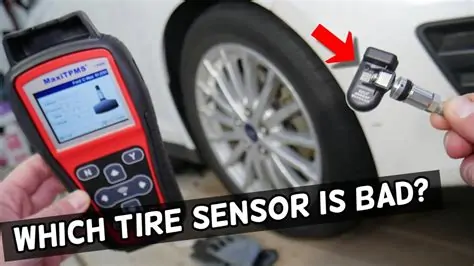
Learn how to understand, diagnose, and replace faulty TPMS sensors with our comprehensive guide to ensure your vehicle’s safety and performance.When it comes to maintaining your vehicle’s safety and performance, understanding the Tire Pressure Monitoring System (TPMS) is crucial. These sensors play a vital role in alerting you to tire pressure issues, helping to prevent blowouts and improve fuel efficiency. However, like any component, TPMS sensors can fail, leading to inaccurate readings and potential hazards on the road. In this blog post, we’ll delve into how to determine which TPMS sensor is bad. We’ll start by exploring the basic functions of TPMS sensors, highlight common signs that indicate a malfunction, and discuss the diagnostic tools available to help pinpoint the issue. Additionally, we’ll provide guidance on manually testing your TPMS sensors and the necessary steps for replacing a faulty one. By the end, you’ll be equipped with the knowledge to ensure your vehicle remains safe and efficient.
Understanding TPMS Sensors
The Tire Pressure Monitoring System (TPMS) is a crucial component in modern vehicles, designed to ensure that your tires are properly inflated. Understanding how these sensors work can help you maintain your vehicle’s safety and efficiency.
What is a TPMS Sensor?
A TPMS sensor is a small device fitted to each tire. Its primary role is to monitor the air pressure within the tires and send this information to the vehicle’s onboard computer. When the pressure drops below a certain level, the TPMS warns the driver through a dashboard light.
Types of TPMS Sensors
- Direct TPMS: Uses pressure sensors mounted inside the tire, providing real-time pressure readings.
- Indirect TPMS: Does not use dedicated sensors; instead, it derives pressure information from wheel speed sensors and calculates pressure based on wheel rotation.
How TPMS Sensors Work
When the tire pressure falls below the recommended level, the direct TPMS sensors transmit a radio signal to the vehicle’s receiver, triggering the warning light on the dashboard. This system typically provides accurate readings, allowing drivers to take necessary actions in a timely manner.
Importance of Keeping TPMS Functional
Maintaining proper tire pressure is essential for:
- Ensuring optimal fuel efficiency
- Improving vehicle handling and safety
- Extending tire lifespan
If a TPMS sensor fails, it can lead to under-inflated tires and a host of related issues. Hence, recognizing the signs of a malfunctioning TPMS is vital for vehicle maintenance.
“Understanding your TPMS sensors enhances safety and driving experience.”
In summary, knowing how to identify and understand your TPMS sensors is vital for maintaining the overall health of your vehicle. Proper monitoring can help avert dangerous situations caused by tire under-inflation.
Identifying Common Signs of a Bad Sensor
The Tire Pressure Monitoring System (TPMS) is crucial for maintaining your vehicle’s safety and efficiency. When a TPMS sensor malfunctions, it can lead to various issues. Here are the common signs to help you identify if a TPMS sensor is bad:
- Warning Light on Dashboard: One of the first signs you’ll notice is the TPMS warning light illuminating on your dashboard. This indicates that there’s a problem with one or more sensors.
- Inconsistent Tire Pressure Readings: If your TPMS system shows erratic or inconsistent tire pressure readings, it may point to a failing sensor.
- Slow Tire Pressure Leaks: A faulty sensor may not be able to correctly detect slow leaks in your tires, leading you to unknowingly drive on under-inflated tires.
- Delayed Response: If the pressure readings are delayed or not showing up at all when you start your vehicle, this could indicate a bad sensor.
- Physical Damage: Inspect the sensors for any visible physical damage or corrosion, which can impair their functionality.
Beyond these signs, understanding how to recognize the issue early can save you from more extensive repairs down the line. If you experience any of these issues, it’s imperative to have your TPMS sensors checked by a professional.
“A warning light is your car’s way of communicating potential problems. Don’t ignore it!”
Be proactive a
Diagnostic Tools for TPMS Sensors
Tire Pressure Monitoring System (TPMS) sensors play a crucial role in maintaining vehicle safety and performance by monitoring the tire pressure in real-time. When these sensors fail, it’s essential to diagnose the issue quickly to ensure safe driving. Below are some of the diagnostic tools that can help identify problems with TPMS sensors:
| Tool | Description |
|---|---|
| TPMS Scan Tool | A specialized tool designed to communicate with the TPMS sensors to read their status, diagnose issues, and reset TPMS after repairs. |
| OBD-II Scanner | A universal electronic device used to check for trouble codes related to TPMS, among other vehicle systems. This tool can help identify communication errors with the sensors. |
| Tire Pressure Gauge | A manual tool to physically measure tire pressure, ensuring that the readings from the TPMS sensors are accurate. |
| Multimeter | A device used to check the voltage and resistance of the TPMS sensors, which can help diagnose if the sensor is functioning correctly. |
Additional Diagnostic Tools
- TPMS Training Kits: Useful for understanding sensor operation and performing best practices during diagnosis.
- Sensor Activation Tool: This tool helps in activating the TPMS sensors to confirm if they are transmitting signals properly.
Proper diagnosis of TPMS sensors is vital not only for vehicle safety but also for ensuring that tire wear is minimized and fuel efficiency is optimized.
Using these diagnostic tools can significantly help technicians and vehicle owners identify problems with TPMS sensors, ensuring accurate information is relayed regarding tire pressure and safety on the road.
Testing the TPMS Sensors Manually
When it comes to maintaining your vehicle’s TPMS (Tire Pressure Monitoring System), it’s essential to know how to test the sensors manually. This process can help you identify any issues and ensure your system is functioning correctly. Below are the steps and techniques you can use to test TPMS sensors without the need for specialized equipment.
Tools You Will Need
- Multimeter: To measure voltage and resistance.
- Tire Pressure Gauge: To verify tire pressure.
- Socket Set: For removing the sensor if needed.
- Jack and Jack Stands: To lift and support the vehicle safely.
Step-by-Step Manual Testing
- Check Tire Pressure: Start by using a tire pressure gauge to ensure that the tire is inflated to the manufacturer’s recommended pressure. Low pressure can trigger a false alert from the TPMS.
- Locate the TPMS Sensor: Depending on your vehicle model, TPMS sensors are typically located inside the tire, attached to the valve stem. You may need to remove the tire to access the sensor directly.
- Measure Sensor Voltage: Use a multimeter to measure the voltage at the sensor terminals. Make sure to consult the vehicle’s manual for the expected voltage range.
- Check for Leakage and Damage: Visually inspect the sensor and the surrounding areas for any signs of damage, corrosion, or leakage. Any visible damage can indicate a faulty sensor.
- Perform Resistance Testing: Use the multimeter to measure resistance across the sensor terminals. Compare your readings to the specifications provided in the vehicle’s service manual.
Interpreting the Results
If the TPMS sensor fails to provide the expected voltage or resistance readings, it may indicate that the sensor is faulty and requires replacement. On the other hand, correct readings affirm the sensor’s functionality, suggesting that any warning lights or errors may be due to other issues, such as problems with the system itself or communication errors.
Final Tips
Remember, some vehicles might require a reset after manually testing or replacing TPMS sensors. Always refer to your vehicle manual for specific procedures. If you’re unsure about the testing process or encountered a persistent issue, it’s advisable to seek professional assistance.
By following these steps, you can effectively determine the health of your TPMS sensors and take the necessary action to ensure your vehicle is safe and roadworthy.
Replacing a Faulty TPMS Sensor
When a TPMS sensor malfunctions, it can lead to inaccurate tire pressure readings, potentially causing safety concerns and reduced fuel efficiency. If you’ve determined that a sensor is faulty, replacing it is the best course of action. Here’s a step-by-step guide on how to replace a faulty TPMS sensor.
Tools and Materials Needed:
- New TPMS sensor
- Tire pressure gauge
- Tire iron
- Torque wrench
- Crossover tool (if required)
- Valve stem tool
Step-by-Step Replacement Process:
- Identify the Faulty Sensor: Before replacing, ensure that you’ve accurately identified the faulty TPMS sensor using a diagnostic tool or the previous identification methods discussed.
- Prepare the Vehicle: Park the vehicle on a flat surface and engage the parking brake. Make sure the car is turned off.
- Remove the Wheel: Use a tire iron to loosen the lug nuts on the wheel that needs the sensor replacement. Lift the vehicle using a jack, and finish removing the lug nuts and wheel.
- Remove the Old Sensor: Using a valve stem tool, carefully unscrew the old sensor from the valve stem. Discard the faulty sensor.
- Install the New Sensor: Take the new TPMS sensor and screw it onto the valve stem, ensuring it is tight, but do not over-tighten.
- Reinstall the Wheel: Place the wheel back onto the hub, hand-tighten the lug nuts, and use a torque wrench to tighten them to the manufacturer’s specifications.
- Reset the TPMS System: After the replacement is complete, you may need to reset the TPMS system to ensure accurate readings. This can typically be done by following the vehicle’s manual or using a diagnostic tool.
Important Tips:
Always consult your vehicle’s owner manual to verify specific procedures and specifications relevant to your vehicle model.
After replacing the faulty TPMS sensor, make sure to check the pressure in all tires using a tire pressure gauge to ensure everything is functioning properly.
By following these steps, you can effectively replace a faulty TPMS sensor and maintain the accuracy of your tire pressure monitoring system, enhancing your vehicle’s safety and performance.
Frequently Asked Questions
What does TPMS stand for?
TPMS stands for Tire Pressure Monitoring System, which is designed to monitor the air pressure in your vehicle’s tires.
How can I tell if one of my TPMS sensors is bad?
You can tell if a TPMS sensor is bad if the warning light on your dashboard remains illuminated, or if you notice that your tire pressure readings are inconsistent or inaccurate.
What tools do I need to diagnose a bad TPMS sensor?
You may need a TPMS scanner or a compatible OBD-II scanner that can read TPMS codes. Additionally, a simple tire pressure gauge can help verify actual tire pressure.
Can I replace a TPMS sensor myself?
Yes, replacing a TPMS sensor can be a DIY task if you have the right tools and instructions, but it requires some mechanical skills and knowledge about your vehicle.
How much does it typically cost to replace a TPMS sensor?
The cost of replacing a TPMS sensor can range from $50 to $150 per sensor, depending on the make and model of your vehicle, as well as labor costs if you’re having it done professionally.
What are common symptoms of a failing TPMS sensor?
Common symptoms include frequent dashboard warning lights, erratic tire pressure readings, inability to reset the system, and physical damage to the sensor if checked during a tire rotation.
Is it safe to drive with a bad TPMS sensor?
While it is technically safe to drive with a bad TPMS sensor, you may not be aware of potentially unsafe tire pressure levels, so it is advisable to address the issue as soon as possible.