
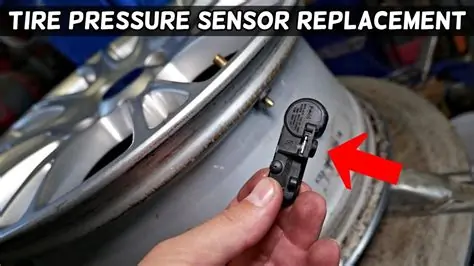
Explore TPMS sensors: understand common issues, the importance of resetting, a step-by-step guide, and benefits of regular maintenance for optimal safety and performance.Maintaining proper tire pressure is crucial for vehicle safety and performance, and that’s where Tire Pressure Monitoring Systems (TPMS) come into play. These sensors alert drivers when tire pressure falls below recommended levels, helping prevent issues such as tire blowouts and decreased fuel efficiency. However, various factors can lead to common TPMS issues that necessitate a reset of the sensor. In this blog post, we’ll delve into the significance of understanding TPMS sensors and the importance of regular maintenance. We’ll provide a step-by-step guide on how to reset your TPMS sensor effectively, ensuring your vehicle remains safe and efficient on the road. Let’s get started by exploring the fundamentals of TPMS and the typical problems you might encounter.
Understanding TPMS Sensors
The Tire Pressure Monitoring System (TPMS) is an essential safety feature in modern vehicles that helps maintain optimal tire pressure. Proper tire pressure not only ensures safe driving but also improves fuel efficiency and extends tire life. Let’s delve into what TPMS sensors are, how they function, and their significance in vehicle safety.
What are TPMS Sensors?
TPMS sensors are small devices installed in each tire of a vehicle. They monitor the air pressure within the tires and send this information to the vehicle’s onboard computer system. There are two main types of TPMS sensors:
- Direct TPMS: These sensors measure the actual tire pressure using a pressure transducer mounted within the tire. If the pressure falls below a certain threshold, the sensor triggers a warning light on the dashboard.
- Indirect TPMS: Instead of using physical sensors, indirect TPMS systems rely on the vehicle’s Anti-lock Braking System (ABS) wheel speed sensors to gauge tire pressure. This method estimates pressure based on the rotational speed of the tires.
Why TPMS is Important
A properly functioning TPMS is critical for several reasons:
- Safety: Under-inflated tires can lead to blowouts or loss of vehicle control, while properly inflated tires enhance handling and traction.
- Fuel Efficiency: Correct tire pressure can improve fuel economy by reducing rolling resistance.
- Tire Longevity: Maintaining the appropriate tire pressure helps in reducing wear and tear, allowing you to get the most out of your tires.
Common TPMS Issues
TPMS sensors can face various issues, such as:
- Low battery in the sensor, which leads to malfunction.
- Physical damage from road hazards.
- Faulty installation during tire changes or rotations.
Understanding how TPMS sensors operate and addressing any issues promptly can significantly enhance your safety and vehicle performance. Be vigilant and ensure that your TPMS is regularly checked and maintained.
Common TPMS Issues
The Tire Pressure Monitoring System (TPMS) is an essential component of modern vehicles, designed to alert drivers when tire pressure is too low. However, like any system, it can encounter problems. Here are some of the common TPMS issues you might face:
| Issue | Description |
|---|---|
| Faulty Sensors | Sensors can malfunction due to wear and tear, leading to incorrect readings or warning lights. |
| Improperly Installed Sensors | When tires are replaced, sensors may not be installed or calibrated correctly, causing TPMS alerts. |
| Battery Issues | TPMS sensors are battery-operated; if the battery fails, the sensor may stop functioning. |
| Temperature Fluctuations | Extreme cold or heat can affect tire pressure and cause the TPMS to trigger unnecessarily. |
| Sensor Communication Problems | Sometimes the vehicle’s onboard computer may have trouble communicating with the TPMS sensors. |
It’s essential to understand these issues to effectively maintain your TPMS and ensure safe driving. If you experience any of these problems, it may be time to consult a professional for diagnosis and repair.
Remember to regularly check your tire pressure and maintain your tires for optimal performance and safety!
Importance of Resetting TPMS Sensor
The Tire Pressure Monitoring System (TPMS) is an essential component of modern vehicles, designed to monitor the air pressure in tires and ensure optimal driving conditions. Resetting the TPMS sensor is crucial for several reasons:
- Safety: Accurate tire pressure is directly linked to vehicle safety. Under-inflated tires can lead to loss of control, longer stopping distances, and increased risk of blowouts.
- Fuel Efficiency: Properly inflated tires improve fuel efficiency. When tire pressure is too low, vehicles require more energy to move, leading to decreased gas mileage.
- Prolonged Tire Life: Regularly resetting the TPMS sensor and ensuring correct tire pressure can significantly extend the lifespan of your tires by preventing uneven wear.
- Compliance with Safety Standards: Many regions have legal requirements for monitoring tire pressure. Resetting the TPMS sensor ensures compliance with these regulations and may prevent fines.
- Prevention of Tire Damage: Monitoring tire pressures helps detect leaks or slow punctures early, allowing for timely repairs before serious damage occurs.
To summarize, resetting the TPMS sensor is a vital maintenance task that contributes to overall vehicle safety, efficiency, and longevity. Regular attention to this system is key for any conscientious driver.
A well-maintained tire pressure monitoring system can save lives, improve performance, and protect your investment. – Automotive Expert
Step-by-Step Guide to Reset TPMS Sensor
Resetting your TPMS sensor can be a straightforward process if you follow the steps below carefully. Whether you’ve changed a tire or inflated your tires to the correct pressure, a reset is often necessary to ensure the system functions properly.
- Check Tire Pressure: Before resetting the TPMS sensor, ensure that all tires are inflated to the manufacturer’s recommended tire pressure. This information can usually be found on a sticker located inside the driver’s side door.
- Turn on the Ignition: Insert the key into the ignition and turn it to the ‘On’ position without starting the engine. This will power the dashboard and allow you to reset the TPMS.
- Locate TPMS Reset Button: Look for the TPMS reset button, which is usually located beneath the steering wheel or in the glove compartment. Refer to your vehicle’s manual if you have difficulty finding it.
- Press and Hold the Reset Button: Press and hold the TPMS reset button until the TPMS warning light on your dashboard blinks three times. This indicates that the sensor has entered reset mode.
- Release the Button: Once the light blinks three times, release the reset button and wait for the light to turn off. This may take a few minutes.
- Start the Vehicle: Start your vehicle and allow it to run for a short period. This helps the TPMS recalibrate with the newly set pressure levels.
- Check for Warning Light: After a few minutes of driving, check if the TPMS warning light is still illuminated. If it is off, the reset was successful. If it remains on, you may need to repeat the process or consult a mechanic.
Note: If your vehicle does not have a manual reset option, the TPMS may reset automatically after driving for a certain distance or at a specific speed. Always refer to the owner’s manual for vehicle-specific procedures.
Following these steps will help you successfully reset the TPMS sensor in your vehicle, ensuring optimal safety and performance on the road.
Benefits of Regular TPMS Maintenance
Maintaining your Tire Pressure Monitoring System (TPMS) is crucial for ensuring the safety and performance of your vehicle. Regular maintenance can prevent common issues and improve your driving experience. Here are some of the key benefits:
1. Enhanced Safety
Regular maintenance of your TPMS helps to ensure that your tire pressure is within the recommended range, which is vital for safe driving. Properly inflated tires reduce the risk of blowouts and provide better traction on the road.
2. Improved Fuel Efficiency
Maintaining optimal tire pressure through regular TPMS checks can contribute to better fuel economy. Under-inflated tires create more rolling resistance, leading to increased fuel consumption.
3. Prolonged Tire Life
Regular TPMS maintenance helps to identify tire issues early. This can prevent uneven wear, which prolongs the life of your tires. Regular checks can lead to significant savings on tire replacement costs.
4. Identification of Potential Problems
A well-maintained TPMS can alert you to issues before they become major problems. For example, if a sensor indicates a tire loss, you can address the issue before it leads to further damage or safety concerns.
5. Compliance with Legal Requirements
In many regions, having a functioning TPMS is legally required. Regular checks ensure compliance with these regulations, avoiding potential fines or legal issues.
6. Increased Resale Value
A vehicle that has been well-maintained, including regular TPMS upkeep, will often have a higher resale value. Potential buyers appreciate knowing the vehicle has been taken care of, especially regarding safety features.
7. Better Handling and Performance
Correct tire pressure contributes to better handling and overall vehicle performance. Regular TPMS maintenance ensures that your vehicle responds well to steering inputs, enhancing the driving experience.
In summary, the benefits of regular TPMS maintenance extend beyond just monitoring tire pressure. It contributes to overall vehicle safety, efficiency, and longevity, making it an essential aspect of vehicle care.
Frequently Asked Questions
What does TPMS stand for?
TPMS stands for Tire Pressure Monitoring System, a technology designed to monitor tire pressure and alert the driver when levels are too low.
Why would I need to reset my TPMS sensor?
You may need to reset your TPMS sensor after changing tires, rotating them, or if the system signals a warning due to low tire pressure.
Can I reset the TPMS sensor myself?
Yes, most vehicles allow you to reset the TPMS sensor yourself, typically by following the instructions in the owner’s manual or using a TPMS reset button.
How do I know if my TPMS needs resetting?
Your TPMS warning light on the dashboard will illuminate if tire pressure is low, indicating that a sensor reset may be necessary.
What are common methods to reset the TPMS sensor?
Common methods include using the reset button, driving for a certain distance after adjusting tire pressure, or using a specialized TPMS tool.
Will resetting the TPMS sensor fix low tire pressure?
No, resetting the TPMS sensor does not fix low tire pressure; it only clears the warning light and helps recalibrate the system after correcting the pressure.
What should I do if the TPMS light stays on after resetting?
If the TPMS light stays on after resetting, check your tire pressures again and inspect the sensors as there may be a malfunction or persistent low pressure.