
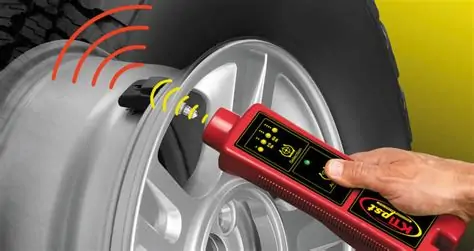
Learn about TPMS sensors, testing methods, visual inspections, diagnostic tools, and how to interpret sensor test results for effective tire maintenance.Testing your Tire Pressure Monitoring System (TPMS) sensor is essential for ensuring your vehicle’s safety and performance on the road. A properly functioning TPMS not only helps maintain optimal tire pressure but also enhances fuel efficiency and extends the lifespan of your tires. In this comprehensive guide, we will delve into the intricacies of TPMS sensors, exploring the different types of tests that can be conducted to assess their functionality. From conducting thorough visual inspections to utilizing specialized diagnostic tools, we’ll walk you through each step of the testing process. Furthermore, we will discuss how to interpret your test results effectively, equipping you with the knowledge necessary to address any issues that may arise. Read on to empower yourself with the know-how to keep your TPMS in top shape and ensure a safer driving experience.
Understanding TPMS Sensor
The Tire Pressure Monitoring System (TPMS) is an essential safety feature in modern vehicles, designed to monitor the air pressure inside your tires. Proper tire pressure is crucial for vehicle safety, fuel efficiency, and tire longevity. Understanding how TPMS works and its components can help drivers maintain their vehicles better.
What is a TPMS Sensor?
At the heart of the TPMS is the TPMS sensor, which is typically located inside each tire. These sensors measure the tire pressure and send real-time data to the vehicle’s onboard computer. When the pressure drops below the recommended level, the system alerts the driver through a warning light on the dashboard.
Types of TPMS Sensors
There are two main types of TPMS sensors:
- Direct TPMS: This type uses pressure sensors mounted within the tire to directly measure the tire’s pressure. If there’s a significant change in pressure, the TPMS alerts the driver instantly.
- Indirect TPMS: Instead of using pressure sensors, this system estimates tire pressure by monitoring the rotation speed of the wheels. It can detect pressure loss but might not be as precise as direct systems.
Importance of TPMS Sensors
Regular monitoring with TPMS sensors can help prevent:
- Blowouts: Low tire pressure increases the risk of tire failure.
- Inefficient fuel consumption: Underinflated tires reduce fuel efficiency.
- Uneven tire wear: Proper pressure extends tire life.
Common Issues with TPMS Sensors
Some prevalent problems associated with TPMS sensors include:
- Dead battery in the sensor
- Improper installation
- Signal interference
Final Thoughts
Understanding your TPMS sensor is vital for ensuring your vehicle operates safely and efficiently. By monitoring tire pressure regularly, you can mitigate risks associated with low tire pressure and improve your vehicle’s overall performance.
Types of TPMS Sensor Tests
The Tire Pressure Monitoring System (TPMS) is a crucial feature in modern vehicles, enhancing safety and efficiency. Understanding the various types of TPMS sensor tests is essential for proper maintenance and troubleshooting. Below are the main types of tests commonly performed:
| Type of Test | Description | When to Use |
|---|---|---|
| Visual Inspection | Check for physical damage or abnormalities in the TPMS sensor. | Initial assessment before any electronic testing. |
| Functionality Test | Tests if the TPMS sensor communicates correctly with the vehicle’s system. | After replacing or changing a tire. |
| Pressure Test | Measures the actual tire pressure against sensor readings. | When tire pressure readings seem inconsistent. |
| Battery Test | Checks the battery life of the TPMS sensor. | When the sensor fault warning light is on. |
| Recalibration Test | Tests sensor calibration to ensure it reads accurately. | After tire rotation or replacement. |
Each of these tests serves a specific purpose and can help identify issues with the TPMS sensors effectively. Performing these tests periodically ensures that your vehicle maintains optimal tire pressure and safety on the road.
Conducting Visual Inspection
Conducting a visual inspection is one of the first and most crucial steps in ensuring the proper functioning of your TPMS (Tire Pressure Monitoring System) sensors. A thorough visual check can help identify issues that may not be immediately evident through diagnostic tools or tests. In this section, we will outline the key aspects to focus on when performing a visual inspection.
What to Look For During a Visual Inspection
- Physical Damage: Check the TPMS sensors for any signs of physical damage, such as cracks or dents that could impact performance.
- Corrosion: Look for signs of corrosion on the sensor and its connections, as this can hinder the ability of the sensor to communicate effectively.
- Wiring Issues: Inspect the wiring leading to the TPMS sensors for frays, breaks, or loose connections that could disrupt electrical signals.
- Sensor Positioning: Confirm that the TPMS sensors are correctly positioned in the wheel and securely attached.
- Valve Stem Condition: Assess the condition of the valve stem. A damaged or worn valve stem could lead to air leaks and improper tire pressure readings.
Tools Needed for Visual Inspection
While a visual inspection can often be done with the naked eye, certain tools can enhance your inspection process:
| Tool | Purpose |
|---|---|
| Flashlight | To illuminate darker areas, allowing for a better view of the TPMS sensors and wiring. |
| Mirror | To check hard-to-reach places behind the wheel assemblies. |
| Multimeter | To check the electrical continuity of the TPMS wiring and connections. |
Importance of Routine Visual Inspections
Conducting routine visual inspections can help catch potential problems early, saving you time and money on repairs. Regular checks on your TPMS sensors and related components contribute to:
- Increased vehicle safety by ensuring proper tire pressure levels.
- Better fuel efficiency due to optimal tire conditions.
- Extended tire lifespan by addressing issues before they escalate.
In summary, a thorough visual inspection of your TPMS sensors is an essential preventive measure that can greatly enhance your vehicle’s performance and safety. Always consider incorporating this inspection into your regular vehicle maintenance routine.
Using TPMS Diagnostic Tool
When it comes to maintaining the optimal performance of your vehicle, TPMS (Tire Pressure Monitoring System) sensors play a crucial role. One of the most effective ways to diagnose issues related to TPMS sensors is by using a specialized TPMS diagnostic tool. In this section, we will explore how to use this tool effectively.
What is a TPMS Diagnostic Tool?
A TPMS diagnostic tool is an electronic device designed to communicate with the TPMS sensors in your vehicle, providing essential data and functionality such as:
- Reading sensor IDs
- Checking sensor battery status
- Diagnosing fault codes
- Resetting the TPMS after tire changes or rotations
Steps to Use a TPMS Diagnostic Tool
To utilize a TPMS diagnostic tool effectively, follow these basic steps:
- Connect the Tool: Begin by plugging the diagnostic tool into the vehicle’s OBD II port.
- Turn on the Ignition: Switch on the ignition (do not start the engine) to power up the tool.
- Select TPMS Function: Navigate through the menu on the diagnostic tool to select the TPMS function.
- Read Sensor Data: The tool will read the data from the TPMS sensors, displaying crucial information such as pressure levels and sensor IDs.
- Diagnose Issues: If any issues are present, the diagnostic tool will show error codes that need to be addressed.
- Reset TPMS (if necessary): If you’ve changed tires or fixed issues, use the tool to reset the TPMS.
Common TPMS Diagnostic Tools
There are various TPMS diagnostic tools available in the market. Here are a few popular options:
| Tool Name | Compatibility | Key Features |
|---|---|---|
| Autel MaxiTPMS TS508 | Universal | Reading/Writing TPMS ID, One-Click Activate |
| Launch X431 V+ | Universal | Comprehensive Vehicle Coverage, Live Data Streaming |
| Bartec Tech400SD | Universal | TPMS Sensor Programming, Multi-Language Support |
Benefits of Using a TPMS Diagnostic Tool
Utilizing a TPMS diagnostic tool comes with numerous advantages:
- Accurate Diagnosis: Quickly identify any issues for timely fixes.
- Time-Saving: Streamline the TPMS troubleshooting process.
- Cost-Effective: Prevent costly tire damage by addressing problems early.
By employing a TPMS diagnostic tool, you can enhance your vehicle’s performance and ensure safe driving conditions. Always remember to keep your tool updated to perform optimally with the latest vehicle models.
Interpreting TPMS Sensor Test Results
When examining the results from TPMS (Tire Pressure Monitoring System) sensor tests, understanding the data is crucial for ensuring vehicle safety and performance. Below is a guideline to help you interpret the results effectively.
Common TPMS Sensor Test Results
| Result Code | Description | Action Required |
|---|---|---|
| Normal | All sensors are functioning correctly and tire pressures are within acceptable limits. | No action required. |
| Low Pressure | One or more tires have a pressure reading below the recommended level. | Inflate tires to the recommended levels. |
| High Pressure | One or more tires have pressure exceeding the safe limit. | Deflate tires to the recommended levels. |
| Sensor Fault | A specific tire sensor is not transmitting data properly. | Check the sensor and replace if necessary. |
| Communication Error | The TPMS is unable to communicate with the vehicle’s onboard diagnostics. | Inspect connections and wiring; reprogram if needed. |
Understanding Sensor Readings
- Battery Voltage: A reading below 2.0V may indicate a need for sensor replacement.
- Pressure Readings: Always compare with the manufacturer-recommended levels found on the driver’s door jamb.
- Temperature Readings: Elevated temperatures (over 100°F) may indicate tire overinflation or external factors affecting the tire.
Analyzing Patterns
Pay attention to recurring error codes or faults. For instance, if you repeatedly receive a low pressure warning from the same sensor, this might indicate either a persistent leak or a malfunctioning sensor.
Proper interpretation of TPMS sensor test results is essential for maintaining optimal tire performance and ensuring safety on the road. – Automotive Safety Expert
Ensure to keep a record of all test results and any actions taken. This history can be invaluable for future reference and for identifying long-term trends in tire performance.
Frequently Asked Questions
What is a TPMS sensor?
A TPMS (Tire Pressure Monitoring System) sensor is a device that monitors the air pressure inside your tires and alerts the driver if the pressure is too low.
Why is it important to test TPMS sensors?
Testing TPMS sensors is crucial for ensuring safe driving, as under-inflated tires can lead to reduced fuel efficiency, poor handling, and increased tire wear.
What tools are needed to test a TPMS sensor?
To test a TPMS sensor, you typically need a TPMS activation tool or scanner, a tire pressure gauge, and possibly a vehicle owner’s manual for reference.
How do you test a TPMS sensor manually?
To test a TPMS sensor manually, you can check the tire pressure with a gauge, ensuring it matches the manufacturer’s recommended level, and listen for the sensor’s activation when the tire is inflated or deflated.
How can you identify a faulty TPMS sensor?
A faulty TPMS sensor may trigger warning lights on the dashboard, show inconsistent pressure readings, or fail to activate when changes in tire pressure occur.
Can TPMS sensors be reset after testing?
Yes, most TPMS systems can be reset by following the specific reset procedure outlined in the vehicle’s manual, which may involve turning the ignition on/off or using a reset tool.
What should you do if a TPMS sensor is not working?
If a TPMS sensor is not working, you should have it diagnosed by a professional, who can either repair or replace the faulty sensor to ensure proper function.