
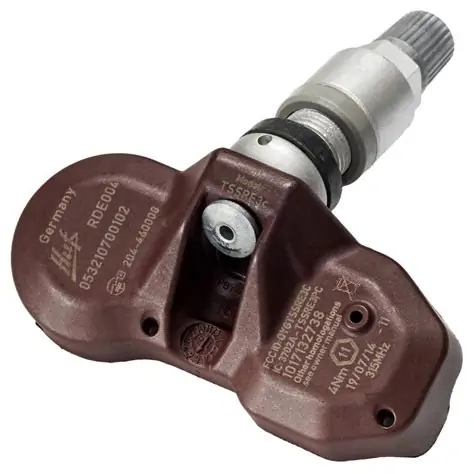
Discover TPMS sensors, their benefits, types, installation process, and troubleshooting tips to maintain your vehicle’s tire safety and performance.In today’s world of automotive technology, the importance of maintaining optimal tire pressure cannot be overstated. Central to this goal are Tire Pressure Monitoring System (TPMS) sensors, which play a crucial role in ensuring both safety and efficiency on the road. By continuously monitoring tire pressure, these sensors help drivers avoid the dangers of under-inflated or over-inflated tires, ultimately enhancing fuel efficiency and extending tire lifespan. In this blog post, we will explore the fundamentals of TPMS sensors, their various benefits, types available, the installation process, and common troubleshooting techniques. Whether you’re a seasoned automotive enthusiast or a curious car owner, this guide will equip you with the knowledge needed to understand and maintain your vehicle’s tire health. Let’s delve into the world of TPMS sensors and discover how they contribute to a safer and more efficient driving experience.
What are TPMS sensors?
TPMS stands for Tire Pressure Monitoring System, which is an electronic system designed to monitor the air pressure inside the tires of a vehicle. The primary role of the TPMS sensors is to provide real-time data about the tire pressure to the driver, ensuring that they are aware of any potential safety issues stemming from under-inflated or over-inflated tires.
There are two main types of TPMS sensors: direct sensors and indirect sensors. Each type has its own method of monitoring and reporting tire pressure.
- Direct TPMS sensors measure the exact air pressure within each tire using pressure sensors located in the tire valves. These sensors send data to the vehicle’s onboard computer, which then displays the information to the driver.
- Indirect TPMS sensors do not measure tire pressure directly. Instead, they rely on the vehicle’s ABS (Anti-lock Braking System) wheel speed sensors to compare the rotational speed of each tire. If a tire is under-inflated, its diameter decreases, causing it to rotate at a different speed compared to the other tires.
Understanding the functionality of TPMS sensors is crucial for ensuring tire safety and performance. Typically, the system alerts the driver through a warning light on the dashboard if it detects a significant drop in tire pressure, prompting timely action to prevent accidents or tire failures.
In summary, TPMS sensors are vital components in modern vehicles that enhance safety by monitoring tire pressure and helping drivers maintain optimal tire health.
Benefits of using TPMS
Tire Pressure Monitoring Systems (TPMS) are essential for modern vehicles, providing critical safety and efficiency benefits. Here are some key advantages of using TPMS sensors:
| Benefit | Description |
|---|---|
| Enhanced Safety | TPMS continuously monitors tire pressure, alerting drivers to under-inflation that can lead to blowouts and accidents. |
| Improved Fuel Efficiency | Maintaining the correct tire pressure helps optimize fuel consumption, as under-inflated tires increase resistance and fuel use. |
| Extended Tire Life | Properly inflated tires wear evenly and last longer, reducing the frequency of replacements. |
| Convenient Monitoring | TPMS provides real-time readings and alerts, eliminating the need for manual pressure checks. |
| Environmental Benefits | By improving fuel efficiency and reducing tire waste, TPMS contributes to lower emissions and a smaller carbon footprint. |
In summary, the implementation of TPMS sensors in vehicles leads to significant safety, financial, and environmental benefits. Drivers can enjoy peace of mind knowing their tires are being closely monitored, promoting safer journeys and a better driving experience.
Types of TPMS sensors
Tire Pressure Monitoring Systems (TPMS) are essential for maintaining vehicle safety and efficiency. Understanding the different types of TPMS sensors is crucial for vehicle owners and automotive professionals alike. These sensors are categorized primarily into two types:
| Type of TPMS Sensor | Description | Advantages |
|---|---|---|
| Direct TPMS | Direct TPMS sensors are mounted on each tire and directly measure the tire pressure. They send real-time data to the vehicle’s onboard computer. |
|
| Indirect TPMS | Indirect TPMS uses the vehicle’s ABS (Anti-lock Braking System) sensors to estimate tire pressure based on wheel speed. If one tire is low, its circumference changes, which is detected by the system. |
|
Both types of TPMS sensors offer benefits that contribute to enhanced vehicle safety. Direct sensors provide precise measurements, whereas indirect sensors offer a more economical solution. Depending on your vehicle’s requirements and your budget, you can choose the type that best fits your needs.
Investing in the right type of TPMS can significantly improve your vehicle’s performance and safety. – Automotive Expert
Installation process of TPMS
Installing a TPMS (Tire Pressure Monitoring System) is crucial for maintaining tire safety and performance. Below is a detailed guide on how to properly install HUF TPMS sensors.
Required Tools and Equipment
- Tire pressure gauge
- Torque wrench
- Valve core tool
- Smartphone or TPMS programming tool
Step-by-Step Installation Process
- Preparation: Gather all necessary tools and ensure the vehicle is parked on a flat surface. Disable the vehicle’s ignition to avoid any electrical shocks during installation.
- Remove the Tires: Using a jack, lift the vehicle to access the tires. Remove the lug nuts and take off the wheels.
- Remove the Old Sensors: Use a valve core tool to deflate the tire. Disconnect the old TPMS sensors from the valve stem. Make sure to keep track of the old sensors for potential recycling.
- Install the New HUF TPMS Sensors: Place the new HUF TPMS sensors onto the valve stem. Tighten the sensor securely, making sure not to overtighten. Use a torque wrench to achieve the manufacturer’s specified torque setting.
- Re-install the Tires: Put the tire back onto the wheel hub and hand-tighten the lug nuts. Lower the vehicle back to the ground and then use a torque wrench to ensure the lug nuts are properly torqued.
- Activate the TPMS Sensors: After the installation, you will need to activate the TPMS sensors. Use a smartphone app or a TPMS tool to program the sensors. Follow the instructions provided with the sensors to complete this step.
- Test the System: Start the vehicle and check if the TPMS light on the dashboard turns off. Manually check each tire’s pressure using a tire pressure gauge to ensure each sensor is functioning correctly.
Final Check
After installation, always make sure to perform regular checks on your TPMS to ensure it is working optimally. This maintenance ensures safety and prolongs tire life.
For more information on HUF TPMS sensors and their benefits, feel free to explore additional resources.
Troubleshooting TPMS sensor issues
Tire Pressure Monitoring System (TPMS) sensors are vital components that ensure your vehicle’s tires are properly inflated. However, like any technology, they can occasionally encounter issues. Here’s how to troubleshoot TPMS sensor issues effectively.
Common Symptoms of TPMS Problems
- Illumination of the TPMS warning light on the dashboard.
- Inconsistent tire pressure readings.
- Frequent warning alerts even after inflating tires.
- False alarms when tires are at the correct pressure.
Steps to Troubleshoot TPMS Sensor Issues
- Check Tire Pressure: Ensure all tires, including the spare, are inflated to the recommended pressure. Use a reliable tire gauge.
- Inspect the Sensors: Visually check each TPMS sensor for any physical damage or corrosion.
- Reset the TPMS: Follow your vehicle’s manual to reset the system. This usually involves a series of button presses or driving for a certain distance.
- Replace the Battery: If your TPMS sensors are equipped with replaceable batteries, consider checking their condition and replacing them if necessary.
- Sensor Reprogramming: Some vehicles may require the TPMS sensors to be reprogrammed after tire rotation or replacement.
- Seek Professional Help: If the problem persists, consult a professional mechanic or a dealership for a thorough diagnostic.
Understanding the Causes of TPMS Sensor Problems
Several factors can contribute to TPMS sensor problems, including but not limited to:
| Cause | Description |
|---|---|
| Temperature Fluctuations | Extreme changes in temperature can affect tire pressure and trigger TPMS alerts. |
| Physical Damage | Accidental impacts or road debris can damage the sensors. |
| Low Battery | TPMS sensors that operate on batteries may fail if the battery life is depleted. |
| Incorrect Installation | If the sensors were incorrectly installed during tire changes, they may not function properly. |
By following these troubleshooting steps and understanding the potential causes of issues, you can effectively address any TPMS sensor issues that arise. Proper maintenance and prompt attention to warning signals are critical for safe driving.
Frequently Asked Questions
What are Huf TPMS sensors?
Huf TPMS sensors are tire pressure monitoring systems designed to provide real-time information on tire pressure, enhancing vehicle safety and fuel efficiency.
How do Huf TPMS sensors work?
Huf TPMS sensors work by using built-in pressure and temperature sensors to monitor the tire’s status and communicate data to the vehicle’s onboard system, alerting the driver of any irregularities.
What are the benefits of using Huf TPMS sensors?
The benefits of using Huf TPMS sensors include improved safety through real-time tire pressure monitoring, better fuel efficiency, and reduced tire wear.
How often should I check my Huf TPMS sensors?
It’s advisable to check your Huf TPMS sensors during regular vehicle maintenance, typically every 5,000 to 10,000 miles, or if the warning light on your dashboard illuminates.
Can I replace Huf TPMS sensors myself?
While it is possible to replace Huf TPMS sensors yourself if you have the right tools and knowledge, it is recommended to have them installed by a professional to ensure correct calibration.
What should I do if my Huf TPMS sensor warning light is on?
If the Huf TPMS sensor warning light is on, check your tire pressures first. If they are correct, you may need to have the sensors checked or recalibrated by a professional.
Are Huf TPMS sensors compatible with all vehicles?
Huf TPMS sensors are compatible with most vehicles, but it is important to check the specifications and requirements for your specific vehicle model before purchasing.