
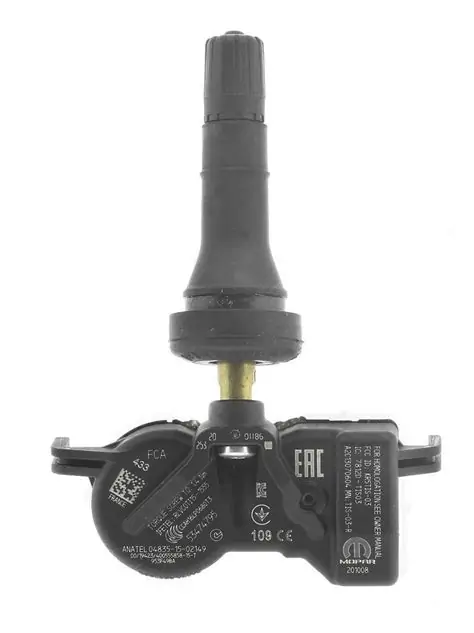
Explore the essentials of TPMS sensors in Jeep Compass, their importance, types, common issues, and maintenance tips for optimal vehicle performance.When it comes to ensuring a smooth and safe ride in your Jeep Compass, understanding the Tire Pressure Monitoring System (TPMS) sensor is essential. This crucial safety feature not only alerts drivers to under-inflated tires but also helps improve fuel efficiency and prolongs tire lifespan. In this blog post, we’ll delve into the intricacies of TPMS sensors, specifically tailored for your Jeep Compass. We’ll explore the different types of TPMS sensors available, common issues you might encounter, and tips on maintaining these sensors to keep your vehicle performing at its best. Whether you’re a new Jeep owner or a seasoned enthusiast, this comprehensive guide will equip you with the knowledge to enhance your driving experience and ensure your safety on the road.
Understanding TPMS Sensors
The Tire Pressure Monitoring System (TPMS) is an essential feature in modern vehicles, including the Jeep Compass. It plays a crucial role in ensuring safety, fuel efficiency, and overall vehicle performance. Here’s a deeper look into what TPMS sensors are and how they work.
What is TPMS?
TPMS is a system designed to monitor the air pressure inside the tires. It alerts the driver when the tire pressure falls below the recommended levels, thereby preventing potential tire blowouts and improving fuel efficiency.
Types of TPMS Sensors
There are primarily two types of TPMS sensors:
- Direct TPMS (dTPMS): This type uses pressure sensors located inside each tire to measure the tire’s pressure in real-time. The data is transmitted wirelessly to the vehicle’s onboard computer.
- Indirect TPMS (iTPMS): This type does not use actual pressure sensors but instead estimates tire pressure based on the rotational speed of the tires and uses wheel speed sensors. It works by comparing the speeds of all four wheels to detect under-inflation.
Importance of TPMS
Understanding the functionality and importance of TPMS sensors in your Jeep Compass can significantly enhance safety and performance:
- Enhanced Safety: Maintaining proper tire pressure helps in ensuring better handling, stopping distance, and overall vehicle safety.
- Fuel Efficiency: Properly inflated tires improve fuel economy, as under-inflated tires can result in increased rolling resistance.
- Extended Tire Life: Regular monitoring can prevent uneven tire wear, prolonging the life of your tires.
How TPMS Works
The TPMS continuously monitors tire pressure and transmits information to the vehicle’s onboard computer. When tire pressure drops below the predefined threshold, the system activates a warning light on the dashboard.
Regular maintenance of your TPMS sensors is crucial for ensuring they function effectively. This involves checks for sensor batteries and ensuring the system is calibrated correctly, especially after tire rotations or replacements. – Automotive Expert
In summary, understanding TPMS sensors is essential for Jeep Compass owners to maintain safety and efficiency on the road. Proper tire pressure oversight not only protects the vehicle but also enhances the overall driving experience.
Importance of TPMS in Jeep Compass
The Tire Pressure Monitoring System (TPMS) plays a crucial role in the safety and performance of your Jeep Compass. Understanding its importance can help you maintain better control while driving and avoid potential dangers associated with improper tire pressure levels.
What is TPMS?
TPMS is an electronic system that monitors the air pressure in your vehicle’s tires. It alerts you when tire pressure falls below a certain threshold, helping to ensure optimal tire performance.
Why is TPMS Important for Jeep Compass?
- Improved Safety: Maintaining proper tire pressure reduces the risk of tire blowouts, which can lead to accidents.
- Better Fuel Efficiency: Properly inflated tires improve the fuel economy of your Jeep Compass, saving you money at the pump.
- Enhanced Tire Life: Regular monitoring can extend the lifespan of your tires by preventing uneven wear.
- Optimal Handling: Correct tire pressure ensures better grip and handling, especially in adverse conditions.
- Environmental Benefits: By improving fuel efficiency and extending tire life, TPMS contributes to reduced emissions, benefiting the environment.
How TPMS Works
Every time you start your Jeep Compass, the TPMS checks the tire pressures and notifies you if any tire is under-inflated. If tire pressure is too low, a warning light will appear on the dashboard, prompting you to take action.
A well-maintained TPMS is essential for the overall health of your vehicle and your safety on the road. – Automotive Expert
Final Thoughts
Ensuring that your Jeep Compass’s TPMS is functioning correctly not only enhances your driving experience but also safeguards you and your passengers.
Types of TPMS Sensors for Vehicles
The Tire Pressure Monitoring System (TPMS) is an essential component in modern vehicles that ensures safety and optimal performance. There are two primary types of TPMS sensors used in vehicles today: Direct TPMS and Indirect TPMS. Understanding these types can help you maintain your vehicle better and ensure you address any issues that arise.
1. Direct TPMS
Direct TPMS uses sensors mounted on each tire to measure the tire’s pressure in real time. These sensors transmit the pressure data to the vehicle’s onboard computer system. When the tire pressure falls below a certain threshold, the system triggers a warning light on the dashboard. Here are some key features of Direct TPMS:
- Real-time monitoring: Provides constant updates on tire pressure.
- Highly accurate: Direct measurement from the tire.
- Easier detection: Early warning alerts for low pressure situations.
2. Indirect TPMS
Indirect TPMS does not use dedicated tire pressure sensors. Instead, it estimates tire pressure based on the vehicle’s wheel speed sensors and other data. When a tire loses pressure, it will rotate at a different speed compared to the other tires, triggering a warning light. Key features include:
- Cost-effective: Less expensive than Direct TPMS since it uses existing sensors.
- Maintenance-friendly: Fewer parts to replace or service.
- Requires recalibration: After a tire rotation or change, the system may need recalibration.
Comparison of Direct and Indirect TPMS
| Feature | Direct TPMS | Indirect TPMS |
|---|---|---|
| Real-time monitoring | Yes | No |
| Cost | Higher | Lower |
| Accuracy | High | Moderate |
| Calibration needed | Usually does not need recalibration | Requires recalibration after tire changes |
Overall, both Direct and Indirect TPMS have their advantages and disadvantages, and the choice between them may depend on your specific vehicle and personal preference. Familiarizing yourself with these types will help ensure that you maintain optimal tire performance, safety, and efficiency in your vehicle.
Common TPMS Sensor Issues
The Tire Pressure Monitoring System (TPMS) is a critical component in ensuring the safety and performance of your Jeep Compass. However, like any technology, TPMS sensors can encounter issues that can lead to inaccurate readings or even sensor failure. Below are some common TPMS sensor issues that Jeep Compass owners should be aware of:
1. Faulty Sensors
Over time, TPMS sensors can become faulty due to wear and tear or exposure to harsh environmental conditions. A malfunctioning sensor may give inaccurate pressure readings, triggering false warnings on your dashboard.
2. Battery Depletion
Each TPMS sensor is equipped with a battery that typically lasts about 5 to 10 years. When the battery dies, the sensor will stop transmitting data, resulting in a TPMS warning light on your dashboard.
3. Sensor Misalignment
Improper installation or tire rotation can lead to sensor misalignment. If the sensors are not correctly positioned, they may not accurately monitor tire pressures, leading to potential issues.
4. Damaged Sensors
TPMS sensors are vulnerable to damage from impacts, such as hitting a pothole or curbing a tire. This damage can cause the sensors to malfunction, resulting in inaccurate tire pressure readings.
5. Interference from Other Devices
Sometimes, interference from other electronic devices can disrupt the communication between the TPMS sensors and the vehicle’s onboard computer. This can cause erroneous warnings or prevent data from being received altogether.
6. Environmental Factors
Extreme temperatures can also affect the performance of your TPMS sensors. For instance, low temperatures can cause tire pressure to drop, while high temperatures can lead to increased pressure, affecting the sensor’s ability to provide accurate readings.
7. Incorrect Tire Pressure
In some cases, the issue may not lie with the TPMS sensors themselves but rather with incorrect tire pressures. Regularly checking and maintaining the appropriate tire pressure is crucial here.
8. Software Issues
Just like any other electronic system, the TPMS may experience software glitches that can affect performance. Keeping your vehicle’s software updated can help mitigate these issues.
Final Thoughts
Addressing TPMS sensor issues promptly is essential for the safe operation of your Jeep Compass. Regular inspections and maintenance can help you identify and resolve these issues before they result in more significant problems.
Maintaining TPMS Sensors for Jeep Compass
Maintaining the TPMS (Tire Pressure Monitoring System) sensors in your Jeep Compass is crucial for ensuring optimal performance and safety. Proper maintenance not only enhances the lifespan of these sensors but also ensures accurate tire pressure readings, which are essential for road safety and fuel efficiency.
Regular Checks
It’s important to conduct regular visual inspections of your TPMS sensors. Look out for:
- Signs of wear and tear
- Corrosion on the sensor housing
- Check tire pressure regularly to detect any discrepancies
Battery Maintenance
The batteries in TPMS sensors typically last between 5 to 10 years. If you’re noticing low battery warnings or frequent alerts, it may be time to replace the sensors. Here are some tips:
- Monitor the system for any warning lights on your dashboard.
- Replace sensors periodically, especially if the vehicle is aging.
Tire Care
To maintain TPMS sensors, ensure that your tires are well-maintained:
- Keep them properly inflated according to the manufacturer’s recommendations.
- Rotate your tires regularly to ensure even wear.
- Inspect for any damage, punctures, or imbalances.
Sensor Calibration
After any major tire service such as rotation, replacement, or repair, it’s essential to recalibrate your TPMS sensors. Here’s how to do it:
Refer to your Jeep Compass owner’s manual for detailed instructions on recalibrating your TPMS system after maintenance work.
Professional Assistance
If you’re unsure about how to maintain your TPMS sensors, consider consulting a professional mechanic. They can provide services like:
- Diagnosing sensor issues
- Performing system resets
- Replacing malfunctioning sensors
By giving your TPMS sensors the attention they deserve, you can ensure a smoother ride and enhance the overall safety performance of your Jeep Compass.
Frequently Asked Questions
What is the TPMS sensor in a Jeep Compass?
The Tire Pressure Monitoring System (TPMS) sensor in a Jeep Compass is designed to monitor the air pressure in each tire and alert the driver when tire pressure is too low or too high.
How do I know if my Jeep Compass TPMS sensor is malfunctioning?
If the TPMS warning light on the dashboard remains illuminated, it may indicate a malfunction in the system. You might also notice inaccurate tire pressure readings.
What should I do if the TPMS light comes on in my Jeep Compass?
If the TPMS light comes on, first check the tire pressures to ensure they are within the recommended range. If the pressure is fine and the light remains on, consult your vehicle’s manual or a qualified mechanic.
How can I reset the TPMS sensor in my Jeep Compass?
To reset the TPMS sensor in a Jeep Compass, turn on the ignition without starting the engine, press the gas pedal three times, and then turn off the ignition. This may vary by model year, so it’s best to refer to the owner’s manual.
Why is it important to maintain proper tire pressure in a Jeep Compass?
Maintaining proper tire pressure is crucial for safety, optimal fuel efficiency, and tire longevity. Under or over-inflated tires can lead to poor handling, increased tire wear, and greater risk of tire blowouts.
Can I drive my Jeep Compass if the TPMS light is on?
You can still drive your Jeep Compass if the TPMS light is on; however, it’s advisable to check the tire pressures immediately. Driving with improper tire pressure can lead to unsafe driving conditions.
How often should I check the tire pressure on my Jeep Compass?
It is recommended to check the tire pressure at least once a month and before long trips to ensure that they are properly inflated according to the manufacturer’s specifications.