
Explore TPMS sensors: their significance, common issues, diagnosis tips, and guidance on replacement for optimal vehicle safety and performance.The Jeep Grand Cherokee is a beloved vehicle known for its rugged reliability and off-road capabilities. However, as with any vehicle, it’s important to pay attention to all its components, especially the Tire Pressure Monitoring System (TPMS) sensor. This critical device ensures your tires are properly inflated, contributing to safety and efficiency on the road. In this blog post, we’ll explore everything you need to know about TPMS sensors in the Grand Cherokee. From understanding its core functions to recognizing the importance of keeping it in top shape, and troubleshooting common issues, we aim to equip you with the knowledge necessary for optimal vehicle performance. Whether you’re considering a replacement or simply want to be better informed, we’ve got you covered. Let’s dive in!
What is TPMS sensor?
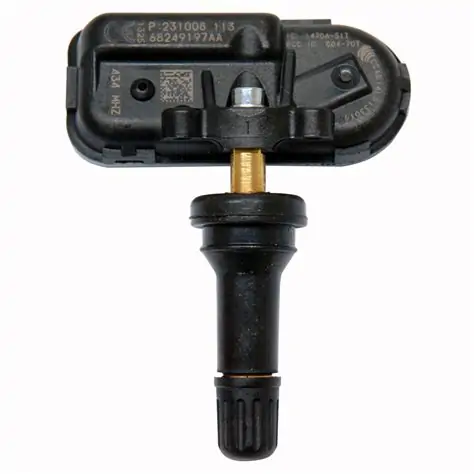
The TPMS (Tire Pressure Monitoring System) sensor is a crucial component in modern vehicles, particularly in models like the Jeep Grand Cherokee. This system is designed to monitor the air pressure in your tires, ensuring they are inflated to the manufacturer-recommended levels. By doing so, it enhances vehicle safety, improves fuel efficiency, and promotes proper tire wear.
The TPMS can come in two types: direct and indirect.
| Type | Description |
|---|---|
| Direct TPMS | This type uses individual sensors mounted within each tire, providing real-time readings of tire pressure directly. |
| Indirect TPMS | This system monitors the rotation of the wheel and uses that information to estimate tire pressure, relying on the vehicle’s ABS (Anti-lock Brake System). |
For the Jeep Grand Cherokee, a direct TPMS is commonly employed. These sensors are typically located on the inner side of each tire’s rim and transmit data to the vehicle’s onboard computer.
The information provided by the TPMS is critical, as it alerts drivers when tire pressure drops significantly, preventing potential accidents or tire blowouts. Additionally, maintaining the proper tire pressure can enhance vehicle handling and fuel economy.
In summary, the TPMS sensor plays an integral role in ensuring your Jeep Grand Cherokee operates safely and efficiently by continuously monitoring tire pressure and alerting the driver of any significant changes.
Importance of TPMS sensor
The Tire Pressure Monitoring System (TPMS) sensor plays a crucial role in vehicle safety and performance, especially for models like the Jeep Grand Cherokee. This advanced system is designed to continuously monitor the air pressure in your vehicle’s tires and provides real-time data that is essential for various reasons:
- Enhanced Safety: Maintaining the correct tire pressure is vital for safe driving. The TPMS sensor alerts drivers when tire pressure drops below recommended levels, which can prevent blowouts and loss of vehicle control.
- Improved Fuel Efficiency: Properly inflated tires lead to better fuel economy. A TPMS sensor helps ensure that all tires are at optimal pressure, reducing the vehicle’s fuel consumption.
- Prolonged Tire Life: Consistently monitoring tire pressure can extend the life of your tires. The TPMS sensor provides timely warnings to prevent under-inflation or over-inflation, which can cause uneven wear and early tire replacement.
- Environmental Benefits: By promoting better fuel efficiency and extending the life of tires, TPMS helps reduce your carbon footprint. This is an important aspect of driving a Jeep Grand Cherokee or any vehicle in today’s eco-conscious world.
In summary, the importance of the TPMS sensor cannot be overstated. It not only ensures safety but also contributes to the longevity of the vehicle and its components. For Jeep Grand Cherokee owners, understanding this technology is essential for optimal vehicle performance.
Common TPMS sensor issues
The Tire Pressure Monitoring System (TPMS) plays a crucial role in ensuring the safety and efficiency of your Jeep Grand Cherokee. However, like any sensor, TPMS can encounter numerous issues that affect its performance. Understanding these common TPMS sensor issues can help you maintain your vehicle better.
1. Incorrect Tire Pressure Readings
One of the most frequent complaints among Jeep Grand Cherokee owners is inaccurate tire pressure readings. This can be caused by:
- Improper installation of the TPMS sensor.
- Faulty sensors due to wear and tear.
- Changes in temperature affecting tire pressure.
2. WARNING LIGHT Activation
The TPMS warning light on the dashboard is designed to alert the driver of any issues with the tire pressure. Common reasons for activation include:
- Low tire pressure.
- Malfunctioning TPMS sensors.
- Faulty wiring or electrical connections.
It’s essential to address this warning promptly to avoid potential hazards.
3. Sensor Battery Failure
Many TPMS sensors are equipped with batteries that have a limited life span. If the battery dies, the sensor will stop functioning effectively, resulting in:
- Inability to monitor tire pressure.
- Frequent error messages or warnings.
Regular checks can help identify these issues before they escalate.
4. Physical Damage
Physical damage to the TPMS sensor can result from various factors such as hitting potholes or road debris. Damage can lead to:
- Sensor failure.
- Intermittent readings.
Inspecting your tires and sensors periodically can help prevent problems.
5. Interference from Signal
In some cases, electronic interference can affect the communication between the TPMS sensor and the vehicle’s onboard computer. This may lead to:
- Frequent signal loss.
- Erroneous tire pressure alerts.
Minimizing the use of electronic devices near your vehicle can help mitigate this issue.
By keeping an eye out for these common TPMS sensor issues, Jeep Grand Cherokee owners can ensure the longevity and effectiveness of their vehicle’s tire monitoring system.
How to diagnose TPMS sensor problems
Diagnosing TPMS (Tire Pressure Monitoring System) sensor problems requires a systematic approach to ensure your Jeep Grand Cherokee remains safe and functional. Below are some effective methods to identify and troubleshoot issues with your TPMS sensors:
1. Check the Warning Light
The first step in diagnosing TPMS issues is to monitor your dashboard for the TPMS warning light. If this light is illuminated, it indicates a problem with one or more sensors. Here’s what you should do:
- Verify Tire Pressure: Use a tire pressure gauge to check the pressure in all four tires.
- Reset the System: Sometimes, simply resetting the TPMS can resolve the issue.
2. Inspect the Tires
Physically inspecting the tires can reveal problems that may affect the TPMS, such as:
- Punctures or damage to the tire
- Uneven wear indicating alignment issues
3. Use a TPMS Scan Tool
A TPMS scan tool can be invaluable for diagnosing sensor problems. Follow these steps:
- Connect the scan tool to the OBD-II port of your Jeep Grand Cherokee.
- Access the TPMS section in the tool’s menu.
- Check for any fault codes that may indicate which sensor is malfunctioning.
4. Visual Inspection of the Sensors
After locating the problem sensor, a visual inspection is necessary:
- Check Sensor Placement: Ensure the sensors are properly mounted on the valve stems.
- Look for Damage: Inspect the sensors for signs of wear or physical damage.
5. Battery Life Considerations
Many TPMS sensors are equipped with batteries that can deplete over time. If a particular sensor is not responding:
- Consider replacing the sensor if it is several years old.
- Some sensors have a built-in battery life of 5-10 years.
6. Consult a Professional
If the above methods do not yield a clear diagnosis, it may be best to consult a professional mechanic or tire specialist who can provide:
- Advanced diagnostic capabilities
- Insight into potential electronic issues
By following these steps, you can effectively diagnose any issues with the TPMS sensors on your Jeep Grand Cherokee. Regular checks and maintenance will ensure your vehicle remains safe and reliable on the road.
Replacing TPMS sensor
Replacing the TPMS sensor in your Jeep Grand Cherokee is essential for maintaining the health of your vehicle’s tire monitoring system. The TPMS (Tire Pressure Monitoring System) alerts you when your tire pressure is dangerously low or high, helping to prevent tire blowouts and ensuring optimal fuel efficiency.
When it’s time to replace your TPMS sensor, either due to a malfunction or as part of regular maintenance, here’s a comprehensive guide:
Step-by-Step Guide to Replacing Your TPMS Sensor
- Gather Necessary Tools: You will need a tire pressure gauge, a wrench, a replacement TPMS sensor, and possibly a jack to lift the vehicle.
- Remove the Tire: Using a jack, lift the vehicle and safely secure it on jack stands. Then, remove the wheel where the TPMS sensor needs to be replaced.
- Remove the Old TPMS Sensor: Locate the valve stem of the tire and unbolt the old sensor from the valve. Be careful not to damage the valve itself.
- Install the New TPMS Sensor: Attach the new sensor to the valve stem. Ensure that it is tightly secured to prevent any air leaks.
- Reattach the Tire: Place the tire back onto the wheel hub and securely fasten the lug nuts. Follow the vehicle’s torque specifications to ensure safety.
- Reset the TPMS System: After replacing the sensor, it is essential to reset the TPMS system. Refer to your Jeep Grand Cherokee owner’s manual for specific instructions on how to reset the system.
Important Considerations
- Always use OEM (Original Equipment Manufacturer) sensors to ensure compatibility and avoid issues.
- Consider replacing all TPMS sensors at the same time, especially if they are of similar age, to maintain consistency.
- If you are uncomfortable or unsure about replacing the sensor yourself, consult a professional mechanic.
“A well-functioning TPMS not only enhances your driving safety but also contributes to prolonged tire life.”
Regular maintenance and attention to your TPMS sensors can make a world of difference in your Jeep Grand Cherokee’s performance and your safety on the road.
Frequently Asked Questions
What is the function of the TPMS sensor in a Jeep Grand Cherokee?
The TPMS (Tire Pressure Monitoring System) sensor monitors the air pressure in each tire and alerts the driver if the pressure falls below the recommended level.
How can I tell if my Jeep Grand Cherokee’s TPMS sensor is malfunctioning?
Common signs of a malfunctioning TPMS sensor include a continuous warning light on the dashboard, inconsistent pressure readings, or the system not reading any tire pressure at all.
What should I do if the TPMS light comes on in my Jeep Grand Cherokee?
If the TPMS light comes on, first check the tire pressures and inflate them to the proper levels. If the light remains on after correcting the tire pressures, consider having the TPMS system checked for faults.
How often should I replace the TPMS sensors in my Jeep Grand Cherokee?
TPMS sensors typically last for about 5 to 10 years, depending on usage and conditions. It’s recommended to replace them when changing tires or if they show signs of malfunction.
Can I reset the TPMS on my Jeep Grand Cherokee myself?
Yes, you can usually reset the TPMS system by following the manufacturer’s instructions, which may involve using the vehicle’s settings menu or a specific button in the car.
What are the risks of driving with a faulty TPMS sensor in my Jeep Grand Cherokee?
Driving with a faulty TPMS sensor can lead to undetected tire pressure issues, increasing the risk of tire blowouts, reduced fuel efficiency, and compromised handling.
Are there any aftermarket options for upgrading the TPMS sensors in a Jeep Grand Cherokee?
Yes, there are aftermarket TPMS sensors available that offer compatibility with your Jeep Grand Cherokee. However, it’s important to ensure they are compatible with your vehicle’s system for proper functionality.