
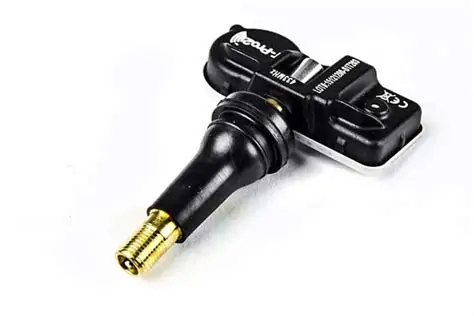
Learn about TPMS sensors, signs of failure, importance of replacements, step-by-step Mercedes replacement, and benefits of upgrading for enhanced vehicle safety.When it comes to maintaining your Mercedes, one crucial component that often goes overlooked is the Tire Pressure Monitoring System (TPMS) sensor. This device plays an essential role in ensuring safety and performance by monitoring tire pressure and alerting drivers to potential issues. However, like any other part of your vehicle, TPMS sensors can experience wear and tear, leading to malfunction. Understanding the signs of TPMS sensor failure and the importance of timely replacement is vital for your vehicle’s performance and your safety on the road. In this blog post, we’ll explore what TPMS sensors are, how to identify when they need replacing, and walk you through the steps for replacing the TPMS sensors in your Mercedes. We’ll also discuss the benefits of upgrading to a more advanced TPMS sensor, ensuring that your driving experience remains smooth and safe.
What is TPMS Sensor?
The Tire Pressure Monitoring System (TPMS) sensor is a crucial component in modern vehicles, designed to monitor the air pressure inside tires. The primary purpose of the TPMS sensor is to alert drivers when tire pressure falls below a certain threshold, which can significantly enhance vehicle safety and performance.
TPMS sensors come in two main types:
- Direct TPMS: This type uses sensors located inside each tire to measure current tire pressure and send data to the vehicle’s onboard computer system.
- Indirect TPMS: This system does not use actual pressure sensors. Instead, it determines tire pressure indirectly through the vehicle’s anti-lock braking system (ABS) by measuring the rotational speed of the wheels.
When the TPMS sensor detects low tire pressure, it triggers a warning light on the dashboard, urging drivers to check their tires. This feature is especially significant because under-inflated tires can lead to reduced fuel efficiency, increased tire wear, and, most importantly, a higher risk of tire blowouts.
The importance of maintaining an operational TPMS sensor cannot be overstated, as it plays a fundamental role in ensuring overall vehicle safety. Regular checks and timely replacement of TPMS sensors are necessary to avoid potential issues that could arise from tire pressure variations.
Signs of TPMS Sensor Failure
The Tire Pressure Monitoring System (TPMS) is crucial for ensuring the safety and efficiency of your vehicle. However, like any component, the TPMS sensor can fail. Recognizing the signs of TPMS sensor failure is essential for the maintenance of your vehicle. Below are the common indicators that your TPMS sensor may be malfunctioning:
- Warning Light: A yellow or orange warning light on your dashboard is the most obvious sign. When you see the TPMS warning light, it indicates that there is a problem with one or more of your tires.
- Inaccurate Tire Pressure Readings: If your dashboard indicates tire pressure readings that seem unusually low or high, it may mean that the sensor is failing. These readings should correlate with the actual pressure of your tires.
- Frequent Tire Pressure Fluctuations: If you notice that the tire pressure in your tires seems to fluctuate unexpectedly, this could signify that your TPMS sensor is unreliable.
- TPMS System Malfunction Message: Some vehicles will display a message indicating that there is a malfunction in the TPMS. This is a clear sign that the system needs further evaluation.
- Delayed Response: A delay in the activation of the TPMS warning light after a tire loss or flat could mean that the sensor is not responding as it should.
Identifying these signs early can help prevent further damage to your vehicle and ensure your safety on the road. If you encounter any of these signs, it’s crucial to have your TPMS sensor examined and replaced if necessary.
Importance of TPMS Replacement
The Tire Pressure Monitoring System (TPMS) is a crucial safety feature in modern vehicles, especially for luxury brands like Mercedes. It continuously monitors the air pressure in your tires, ensuring optimal performance and safety on the road. If the TPMS sensor begins to fail or show inaccurate readings, it can lead to several significant issues. Here, we explore the importance of TPMS replacement.
Why You Should Consider TPMS Replacement
- Enhanced Safety: A functioning TPMS is essential for maintaining proper tire pressure, which directly impacts your vehicle’s handling, stability, and braking. By replacing a malfunctioning TPMS sensor, you ensure safer driving conditions.
- Improved Fuel Efficiency: Tires that are properly inflated help improve fuel efficiency. An ineffective TPMS sensor that fails to alert you about low tire pressure could lead to under-inflated tires, resulting in increased fuel consumption.
- Prevention of Tire Damage: Low tire pressure can cause uneven tread wear and potential blowouts. Replacing a faulty TPMS sensor helps prevent tire damage and extends the life of your tires, saving you money in the long run.
- Compliance with Regulations: Many regions require that vehicles comply with safety standards related to tire pressure monitoring systems. Regular replacement of your TPMS sensors helps ensure that your vehicle remains compliant.
Signs That Indicate TPMS Replacement is Necessary
If your dashboard indicator light is illuminated, or if you experience frequent fluctuations in tire pressure readings, it may be time to replace your TPMS sensor.
In conclusion, maintaining a functional TPMS is essential for safety, efficiency, and compliance. Regular checks and timely TPMS replacement can protect you and your passengers, as well as enhance your vehicle’s performance.
Steps for Mercedes TPMS Replacement
If you’re experiencing issues with your Mercedes TPMS sensor, replacing it may be necessary to ensure your vehicle’s safety and performance. Follow these detailed steps for a successful TPMS sensor replacement:
- Gather Necessary Tools and Materials:
- New TPMS sensors
- TPMS tool or compatible scanner
- Jack and jack stands
- Wrench set
- Torque wrench
- Safety goggles
- Safe Vehicle Elevation:
Use a jack to lift your Mercedes and secure it with jack stands. Ensure that the car is stable before proceeding.
- Remove Wheel Nuts:
Using a wrench, loosen and remove the wheel nuts on the wheel where the TPMS sensor needs replacement. Remember to keep these nuts in a safe place.
- Take off the Wheel:
Carefully remove the wheel from the hub to access the tire and the TPMS sensor.
- Access the TPMS Sensor:
Deflate the tire to relieve pressure, then separate the tire from the rim using a tire changer or manual tools, if available. This will expose the TPMS sensor, typically installed inside the tire.
- Remove the Old Sensor:
Disconnect the sensor’s wiring and remove the sensor from its position. Take note of any grommets or washers used in the installation.
- Install the New TPMS Sensor:
Position the new sensor in place and connect it to the wiring. Make sure all seals are properly fitted to prevent air leaks.
- Reinstall the Tire:
Carefully put the tire back on the rim and inflate it to the recommended pressure. Ensure the tire is properly seated.
- Reattach the Wheel:
Align the wheel on the hub and secure it with the wheel nuts. Use a torque wrench to tighten the nuts to the manufacturer’s specifications.
- Reset the TPMS System:
Utilize a TPMS tool to reset the sensor’s settings within your vehicle’s computer system. This step is crucial for accurate pressure readings.
- Test the TPMS:
Start the vehicle and monitor the dashboard for any warning lights. Confirm that the TPMS is functioning correctly by checking the tire pressures.
Following these steps carefully will ensure that your Mercedes TPMS sensor replacement is done correctly, promoting a safer driving experience.
Benefits of Upgraded TPMS Sensor
A Tire Pressure Monitoring System (TPMS) sensor is crucial for vehicle safety, especially in luxury brands like Mercedes. Upgrading your TPMS sensor can enhance your driving experience through various benefits. Here are some of the key advantages:
- Improved Accuracy: Newer TPMS sensors offer enhanced sensitivity and accuracy, ensuring you receive real-time data on your tire pressure.
- Better Reliability: Upgraded sensors are less likely to fail, reducing the risk of malfunction alerts that can cause unnecessary stress.
- Longer Battery Life: Advanced TPMS sensors often come with longer-lasting batteries, meaning less frequent replacements and maintenance.
- Enhanced Safety: By providing accurate tire pressure readings, upgraded sensors help prevent blowouts and maintain better traction on the road.
- Increased Fuel Efficiency: Properly inflated tires can enhance fuel economy, and an upgraded TPMS can help maintain optimal tire pressure.
- Compatibility with Advanced Systems: New TPMS models are often designed to integrate smoothly with other advanced vehicle systems, promoting better overall functionality.
Considering these benefits, investing in an upgraded TPMS sensor is a wise choice for Mercedes owners looking to enhance performance, safety, and overall driving satisfaction.
Frequently Asked Questions
What is a TPMS sensor?
A TPMS (Tire Pressure Monitoring System) sensor is a device used to monitor the air pressure inside the tires of a vehicle and alert the driver when the pressure falls outside of a specified range.
Why would I need to replace my TPMS sensor?
You may need to replace your TPMS sensor if it’s malfunctioning, the battery in the sensor has died, or if you’ve replaced a tire and the new tire doesn’t come with a compatible sensor.
How do I know if my TPMS sensor needs replacement?
Signs that your TPMS sensor may need replacement include a TPMS warning light on the dashboard, inconsistent pressure readings, or after replacing tires without reprogramming the sensors.
Can I replace a TPMS sensor myself?
Yes, replacing a TPMS sensor can be done at home if you have the right tools, such as a tire pressure gauge and a jack, but it may require reprogramming which usually needs a professional or specific tools.
What tools are needed for TPMS sensor replacement?
Tools needed for TPMS sensor replacement typically include a jack, a tire iron, a TPMS activation tool, and possibly a torque wrench.
Is it expensive to replace a TPMS sensor?
The cost of replacing a TPMS sensor can vary widely depending on your vehicle and location but generally ranges from $50 to $150 per sensor, not including labor if done by a professional.
How can I reset my TPMS after replacing the sensor?
To reset the TPMS, you can usually follow the instructions in your vehicle owner’s manual, which may involve pressing a reset button, turning the ignition on and off, or driving at a specific speed for a certain distance.