
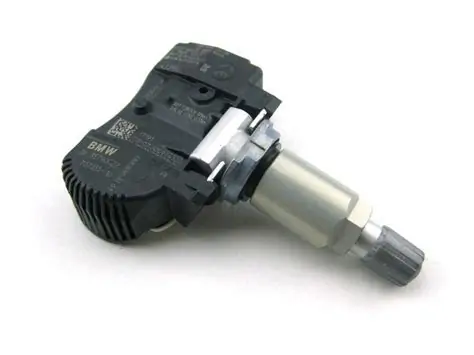
Discover the importance of TPMS sensors, common issues, and benefits of upgrading. Learn to replace them effectively for improved vehicle safety and performance.**Blog Title: Mini Cooper TPMS Sensors**
As a Mini Cooper owner, ensuring the safety and performance of your vehicle is likely a top priority. One crucial component in maintaining optimal tire health is the Tire Pressure Monitoring System (TPMS) sensors. These small yet powerful devices play a significant role in alerting you to any tire issues, ultimately enhancing safety on the road. In this blog post, we’ll dive into the essentials of TPMS sensors, exploring their importance, common issues they face, and how to effectively replace or upgrade them. Join us as we uncover the ins and outs of TPMS sensors to keep your Mini Cooper running smoothly and safely!
What are TPMS sensors?
TPMS sensors, or Tire Pressure Monitoring System sensors, are essential components of modern vehicles, including the Mini Cooper. They are designed to monitor the air pressure in the tires and provide real-time information to the driver about tire condition.
These sensors can detect when the tire pressure is below the recommended level, which can lead to safety issues such as reduced traction, increased tire wear, and even blowouts. Typically, TPMS sensors are integrated into the tire valves or placed inside the tires themselves.
According to data from the National Highway Traffic Safety Administration (NHTSA), proper tire pressure can improve fuel efficiency and significantly reduce the risk of tire-related accidents.
Types of TPMS Sensors
There are two main types of TPMS sensors:
- Direct TPMS: These sensors measure the actual tire pressure and transmit this information directly to the vehicle’s onboard computer.
- Indirect TPMS: Instead of measuring tire pressure directly, these sensors use information from the vehicle’s wheel speed sensors to detect a drop in tire pressure based on how fast the tire is rotating.
The Mini Cooper typically employs direct TPMS sensors, offering more accurate and responsive feedback regarding tire pressure.
Benefits of TPMS Sensors
The importance of TPMS sensors cannot be overstated. Here are a few critical benefits:
- Enhanced safety by alerting drivers to low tire pressure.
- Improved fuel efficiency as properly inflated tires can lead to better gas mileage.
- Extended tire lifespan due to consistent monitoring and maintenance.
In conclusion, TPMS sensors are not just a technological advancement but an essential feature for ensuring safety, efficiency, and optimal performance in vehicles, including the stylish Mini Cooper.
Importance of TPMS sensors
TPMS, or Tire Pressure Monitoring System, sensors are critical components in modern vehicles, including the Mini Cooper. Their primary function is to monitor the air pressure in the tires, ensuring that they are inflated to the optimal levels.
The importance of TPMS sensors goes beyond mere convenience; they play a vital role in vehicle safety and performance. Here are a few key points highlighting their significance:
- Enhanced Safety: Proper tire pressure is crucial for safe driving. Under-inflated or over-inflated tires can lead to reduced traction, poor handling, and an increased risk of tire blowouts.
- Fuel Efficiency: Maintaining the correct tire pressure helps improve fuel efficiency. Under-inflated tires create more rolling resistance, which requires more fuel to maintain speed.
- Increased Tire Longevity: Monitoring and maintaining the correct tire pressure can prolong the life of your tires. This not only saves money on replacements but also contributes to a more sustainable driving experience.
- Legal Compliance: In many regions, vehicles must be equipped with functioning TPMS sensors to meet legal safety standards. Ensuring these systems are operational helps avoid potential fines or penalties.
Furthermore, the integration of TPMS sensors in the Mini Cooper adds a layer of advanced technology that enhances the driving experience. Not only do they provide real-time feedback on tire conditions, but they also contribute to the overall performance and handling of the vehicle.
As tire safety remains a priority for all drivers, understanding the importance of TPMS sensors is essential for maintaining a safe and efficient vehicle.
Common TPMS sensor issues
The Tire Pressure Monitoring System (TPMS) sensors in your Mini Cooper are crucial for maintaining optimal tire pressure and ensuring safety on the road. However, like any other component, they can face issues that compromise their functionality. Here are some of the most common TPMS sensor issues you might encounter:
- Faulty Battery: TPMS sensors are powered by batteries that typically last around 5 to 10 years. A dead or weak battery can lead to sensor malfunctions, causing inaccurate readings and triggering warning lights on your dashboard.
- Physical Damage: The sensors are often exposed to harsh road conditions, making them susceptible to physical damage. Impacts from potholes, curb brushes, or even tire changes can damage the sensors, leading to failure.
- Calibration Issues: If your Mini Cooper has undergone tire rotations, replacements, or has had new sensors installed, improper calibration can cause inaccurate tire pressure readings. It’s essential to recalibrate the TPMS to ensure it functions correctly.
- Sensor Interference: External factors such as radio signals or electronic devices can sometimes interfere with the sensor’s ability to transmit data to the car’s onboard computer, leading to errors or malfunctions.
- Corrosion: Exposure to moisture and road salts can cause corrosion around the sensor and valve stem area, impacting the sensor’s performance and potentially leading to air leaks.
- Mismatched Sensors: Using mismatched or incorrect model sensors can result in improper readings and system faults. Always ensure that the replacement sensors are compatible with your Mini Cooper.
Being aware of these common issues can help you maintain proper tire health and enhance the overall safety of your driving experience. Regular checks and timely replacements of your TPMS sensors can save you from potential accidents and ensure smooth rides.
How to replace TPMS sensors
Replacing TPMS (Tire Pressure Monitoring System) sensors is an essential maintenance task for your Mini Cooper. Faulty sensors can lead to improper tire inflation, which can affect performance and safety. Here’s a step-by-step guide on how to effectively replace those sensors.
Tools and Materials Needed
- New TPMS sensors
- Tire pressure gauge
- Tire changer (if necessary)
- Tire valve tool
- Jack and jack stands
- Wrench set
Step-by-Step Process
- Prepare Your Vehicle: Start by parking your Mini Cooper on a flat surface and ensuring it is turned off. Engage the parking brake for safety.
- Lift the Vehicle: Use a jack to lift the vehicle off the ground. Ensure you use jack stands for additional safety.
- Remove the Wheel: Using a wrench, loosen and remove the lug nuts, then take off the wheel to access the tire and the TPMS sensor.
- Remove the Old TPMS Sensor: Locate the TPMS sensor inside the tire. Use a tire valve tool to unscrew the sensor from its valve stem.
- Install the New TPMS Sensor: Take the new TPMS sensor and attach it to the valve stem. Be sure to tighten it securely with the tire valve tool.
- Reinstall the Wheel: Put the wheel back onto the hub and hand-tighten the lug nuts. Then, use a wrench to ensure they are tightly secured.
- Lower the Vehicle: Carefully lower your Mini Cooper back to the ground using the jack and remove the jack stands.
- Check Tire Pressure: Finally, use a tire pressure gauge to check the pressure of each tire, adjusting as necessary.
Additional Tips
Always ensure you are following the manufacturer’s specifications for tire pressure and sensor compatibility to avoid issues down the line.
Replacing TPMS sensors can be a straightforward task if done carefully. However, if you are unsure or uncomfortable performing this maintenance yourself, it’s wise to consult a professional mechanic to ensure safety and accuracy.
Benefits of upgrading TPMS sensors
Upgrading your TPMS (Tire Pressure Monitoring System) sensors can greatly enhance the performance and safety of your vehicle, particularly for models like the Mini Cooper. Here are some key benefits of making this upgrade:
- Improved Accuracy: Newer TPMS sensors are designed with advanced technology that offers greater precision in monitoring tire pressure. This ensures that you receive real-time alerts for any fluctuations.
- Increased Reliability: Upgrading to high-quality sensors reduces the risk of false readings and improves the overall reliability of the TPMS. This is crucial for maintaining optimal tire pressure and improving safety on the road.
- Enhanced Compatibility: New TPMS sensors are often designed to work with a wider range of vehicles and can be more easily integrated with modern car systems, ensuring seamless functionality.
- Longer Lifespan: Modern TPMS sensors often come with extended battery life and durability, reducing the frequency of replacements and maintenance costs over time.
- Advanced Features: Many upgraded sensors come with additional features such as temperature monitoring, which adds another layer of safety by providing crucial information about tire health.
- Better Fuel Efficiency: Maintaining proper tire pressure is vital for fuel efficiency. Upgrading your TPMS sensors can help ensure that your tires are always at the optimal pressure, potentially saving you money on fuel.
Investing in upgraded TPMS sensors for your Mini Cooper not only enhances safety but also improves the overall driving experience. Don’t underestimate the importance of having a reliable tire monitoring system!
Frequently Asked Questions
What is a TPMS sensor in a Mini Cooper?
A TPMS (Tire Pressure Monitoring System) sensor in a Mini Cooper is a device that continuously monitors the air pressure in each tire and alerts the driver if any tire is under-inflated or over-inflated.
How often should I replace the TPMS sensors in my Mini Cooper?
Generally, TPMS sensors should be replaced every 5 to 7 years or when the battery runs out, which can vary based on usage and environmental factors.
Can I drive my Mini Cooper with a faulty TPMS sensor?
While you can technically drive a Mini Cooper with a faulty TPMS sensor, it is not advisable, as it may lead to incorrect tire pressure readings, potentially compromising safety and performance.
How do I know if my Mini Cooper’s TPMS sensor is faulty?
Indicators of a faulty TPMS sensor include a warning light on the dashboard, inconsistent tire pressure readings, or being unable to reset the system after inflation.
What should I do if my Mini Cooper TPMS light comes on?
If the TPMS light in your Mini Cooper comes on, check the tire pressures, inflate any under-inflated tires, and if the light persists, have the TPMS system checked by a professional.
Are Mini Cooper TPMS sensors interchangeable with other vehicles?
No, Mini Cooper TPMS sensors are specifically designed for Mini vehicles and may not be compatible with other makes and models.
How can I reset the TPMS sensors in my Mini Cooper?
To reset the TPMS sensors in a Mini Cooper, typically, you will need to turn on the ignition without starting the engine, press the TPMS reset button (if available), and hold it until the TPMS light blinks, then release it. Refer to the owner’s manual for specific instructions for your model.