
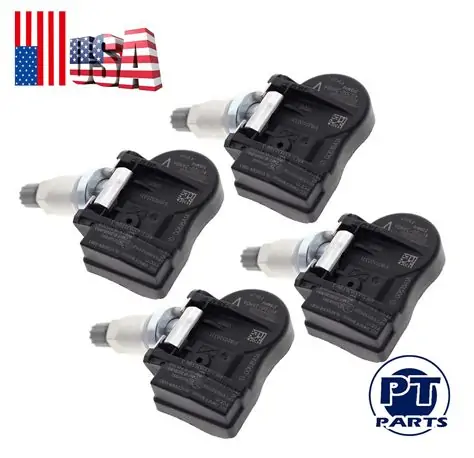
Explore the importance of TPMS sensors in Nissan Frontier, common issues, replacement tips, and the benefits of a well-functioning system.The Nissan Frontier is a rugged truck known for its versatility and reliability. One crucial component that enhances your driving experience and enhances safety is the Tire Pressure Monitoring System (TPMS) sensor. Understanding how these sensors work and the vital role they play in maintaining optimal tire pressure can help you avoid potential issues down the road. In this blog post, we will delve into the functions and importance of TPMS sensors in the Nissan Frontier, explore common issues that may arise, and discuss the replacement process when the need arises. Additionally, we will highlight the benefits of ensuring that your TPMS sensors are functioning correctly, ultimately leading to a safer, more efficient driving experience. Whether you’re a new Frontier owner or looking to enhance your vehicle’s performance, this guide will provide invaluable insights into managing your truck’s TPMS system.
Understanding TPMS sensors
The Tire Pressure Monitoring System (TPMS) is an essential feature in modern vehicles, including the Nissan Frontier. This system is designed to monitor the air pressure in your tires, ensuring they are inflated to optimal levels for safety and performance. Understanding how TPMS sensors work is crucial for maintaining your vehicle in top condition.
Typically, TPMS comes in two types: Direct TPMS and Indirect TPMS.
| Type of TPMS | Description |
|---|---|
| Direct TPMS | This system uses sensors located inside each tire to directly measure air pressure. If the pressure drops below a set threshold, the driver is alerted via the dashboard warning light. |
| Indirect TPMS | This system does not have physical pressure sensors; instead, it uses the vehicle’s wheel speed sensors to estimate tire pressure based on tire revolutions and other factors. |
The effectiveness of the TPMS depends on the precise functionality of the TPMS sensors. These sensors communicate with the vehicle’s onboard computer system to provide real-time data. Here are some key features of TPMS sensors:
- Real-Time Monitoring: Constantly tracks tire pressure and alerts the driver if it falls below safe levels.
- Increased Safety: Helps prevent tire blowouts, skidding, and loss of control due to improper tire inflation.
- Improved Fuel Efficiency: Correctly inflated tires can enhance gas mileage, saving you money in the long run.
- Maintenance Alerts: Some systems can also provide notifications for routine tire maintenance.
In summary, understanding TPMS sensors is vital for any Nissan Frontier owner. By ensuring that your TPMS system is functioning correctly, you can maintain optimal driving safety and performance.
The role of TPMS in Nissan Frontier
The Tire Pressure Monitoring System (TPMS) plays a crucial role in ensuring the safety and performance of the Nissan Frontier. This advanced system continuously monitors the air pressure in the vehicle’s tires and can alert the driver to any significant deviations from the optimal pressure levels.
Here are some key aspects of the role of TPMS in the Nissan Frontier:
- Safety Enhancement: Maintaining proper tire pressure is essential for vehicle safety. TPMS helps prevent tire blowouts and loss of control by alerting drivers to low tire pressure.
- Fuel Efficiency: Properly inflated tires reduce rolling resistance, which leads to better fuel efficiency. The TPMS ensures that drivers are notified when tire pressure drops, helping them save on gas costs.
- Tire Lifespan: By ensuring that tires are properly inflated, TPMS can help extend the lifespan of the tires, as under-inflated tires wear out more quickly.
- Convenience: Drivers of the Nissan Frontier receive immediate alerts for any abnormalities in tire pressure, allowing them to address issues before they escalate.
It’s important for Nissan Frontier owners to regularly monitor their TPMS and understand its signals. The system typically uses warning lights on the dashboard to indicate low tire pressure. Familiarizing oneself with these warnings can be vital for proactive vehicle maintenance.
The TPMS in your Nissan Frontier is not just a convenience feature, but a vital component for ensuring your vehicle’s overall safety and performance.
In summary, the TPMS is an indispensable part of the Nissan Frontier‘s safety features, encouraging timely responses to tire pressure issues and fostering better driving habits.
Common TPMS sensor issues
The Tire Pressure Monitoring System (TPMS) sensors in your Nissan Frontier play a crucial role in ensuring your vehicle’s safety and performance. However, like any component, they can encounter issues. Here are some of the common TPMS sensor issues that drivers may face:
| Issue | Description | Potential Causes |
|---|---|---|
| Faulty Sensor | The sensor may not correctly monitor tire pressure, leading to inaccurate readings. | Batteries running low, physical damage, or manufacturing defects. |
| Warning Light Activation | The TPMS warning light on your dashboard may illuminate, indicating a problem. | Under-inflated tires, sensor malfunction, or a system reset needed. |
| Delayed Response | There may be a lag in the system reflecting changes in tire pressure. | Weak signal or interference with the sensor communication. |
| TPMS Reset Issues | The TPMS may not reset after a tire change or rotation. | Improper reset procedure or sensor compatibility issues. |
When experiencing any of these issues, it is vital to consult your Nissan Frontier manual for troubleshooting steps or seek professional help from a certified mechanic to diagnose and rectify the problem. Regular maintenance and attention to your TPMS can prevent safety risks on the road.
Replacing TPMS sensors in Nissan Frontier
The Tire Pressure Monitoring System (TPMS) is an essential component of vehicle safety, especially in the Nissan Frontier. If your TPMS sensor is malfunctioning, it may need replacement. Here’s a comprehensive guide on how to replace TPMS sensors in your Nissan Frontier.
When to Replace TPMS Sensors
It’s important to know when you should consider replacing your TPMS sensors:
- When the TPMS warning light is illuminated on your dashboard.
- If you notice inconsistent tire pressure readings.
- When tires are replaced or rotated without transferring the sensors.
- If the sensors are older than 5-10 years, depending on usage.
Step-by-Step Process for Replacing TPMS Sensors
Follow these steps to replace the TPMS sensors in your Nissan Frontier:
- Gather Tools and Parts: You’ll need a TPMS sensor kit, tire pressure gauge, jack, and a lug wrench.
- Lift the Vehicle: Use a jack to raise the vehicle and secure it with jack stands for safety.
- Remove the Wheel: Use a lug wrench to loosen and remove the wheel where you want to replace the TPMS sensor.
- Remove the Old TPMS Sensor: Locate the sensor inside the tire, detach it from the valve stem, and remove it.
- Install the New TPMS Sensor: Position the new sensor at the valve stem, ensuring it’s securely attached.
- Reattach the Wheel: Put the wheel back on and tighten the lug nuts in a crisscross pattern to ensure even tightening.
- Calibrate the TPMS: Use an OBD-II scanner if necessary to reset and calibrate the new sensors to your vehicle.
- Check Tire Pressure: Ensure all tires are inflated to the recommended pressure levels.
Tips for TPMS Sensor Maintenance
To ensure your new TPMS sensors work effectively, consider the following tips:
- Regularly check tire pressure monthly.
- Make sure to reset the TPMS after any tire changes or rotations.
- Keep an eye out for the warning light and address issues promptly.
Proper maintenance of your TPMS sensors can significantly enhance driving safety and efficiency. – Nissan Frontier Owner
By following this guide, you can ensure that your Nissan Frontier’s TPMS sensors function accurately, promoting safety and efficiency on the road.
Benefits of properly functioning TPMS sensors
The Tire Pressure Monitoring System (TPMS) is an essential safety feature in modern vehicles, including the Nissan Frontier. Properly functioning TPMS sensors provide several benefits that enhance vehicle performance, safety, and reliability. Here are some key advantages:
- Improved Safety: Accurate tire pressure readings help prevent blowouts and loss of control, ensuring a safer driving experience.
- Enhanced Fuel Efficiency: Maintaining the correct tire pressure can improve fuel efficiency, which is beneficial for both the environment and your wallet.
- Longer Tire Life: Properly inflated tires wear more evenly, extending their lifespan and reducing the frequency of replacements.
- Real-time Monitoring: TPMS sensors provide real-time updates on tire pressure, allowing drivers to address issues before they escalate into serious problems.
- Lower Maintenance Costs: Keeping tires properly inflated can decrease wear and tear on suspension components and improve overall vehicle efficiency, leading to lower maintenance costs.
To summarize, the benefits of properly functioning TPMS sensors cannot be overstated. They play a crucial role in ensuring the safety, efficiency, and longevity of your Nissan Frontier.
Frequently Asked Questions
What is a TPMS sensor?
TPMS stands for Tire Pressure Monitoring System. A TPMS sensor is a device that monitors the air pressure in the tires and alerts the driver when the pressure falls below a certain level.
How does the TPMS work in the Nissan Frontier?
In the Nissan Frontier, the TPMS uses sensors mounted on each wheel to measure tire pressure. If the pressure is too low, the system triggers a warning light on the dashboard.
What are the signs that my Nissan Frontier’s TPMS sensor might be failing?
Signs of a failing TPMS sensor include the TPMS warning light remaining illuminated after tire pressure has been checked, inconsistent readings, or a complete lack of response from the system.
How can I reset the TPMS sensor on my Nissan Frontier?
To reset the TPMS sensor, turn the ignition to the ‘ON’ position (but do not start the engine), and press the TPMS reset button, usually located beneath the steering wheel. After holding the button until the TPMS light blinks three times, turn the ignition off.
Why is it important to maintain proper tire pressure in the Nissan Frontier?
Maintaining proper tire pressure is crucial for safety, fuel efficiency, and tire longevity. Under-inflated tires can lead to poor handling and increased wear, while over-inflated tires can increase the risk of a blowout.
Can I replace a TPMS sensor myself in my Nissan Frontier?
Yes, you can replace a TPMS sensor yourself, but it requires some mechanical skill and the right tools. It involves removing the tire, replacing the sensor, and re-mounting and balancing the tire.
What should I do if the TPMS warning light stays on after tire maintenance?
If the TPMS warning light stays on after maintenance, it may indicate a malfunctioning sensor or a need for recalibration. You should check the sensor function and possibly visit a mechanic or dealership for further diagnostics.