
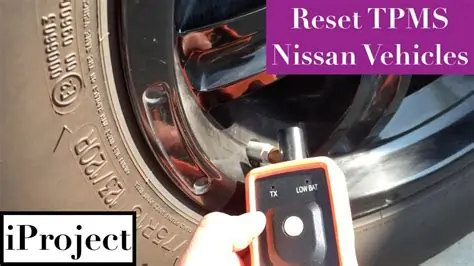
Explore the significance of TPMS sensors, especially for Nissan vehicles, and learn about sensor programming, functionality, and its benefits for optimal performance.If you’re a Nissan owner, understanding your vehicle’s Tire Pressure Monitoring System (TPMS) is essential for ensuring optimal performance and safety. TPMS sensors play a crucial role in monitoring tire pressure and alerting drivers to any issues that may arise. However, proper sensor programming is key to maximizing the benefits of this technology. In this blog post, we will explore the intricacies of TPMS sensors, explain the importance of accurate sensor programming, and provide a step-by-step guide to programming Nissan TPMS sensors. We’ll also discuss the benefits of maintaining properly programmed sensors, ensuring that your driving experience remains safe and efficient. Join us as we delve into the essential aspects of Nissan TPMS sensor programming to keep your vehicle running smoothly and safely on the road.
Understanding TPMS Sensors
TPMS stands for Tire Pressure Monitoring System. It is an essential safety feature in modern vehicles, designed to monitor the air pressure inside tires and ensure optimal performance and safety on the road. Understanding the functionality of TPMS sensors is crucial for any vehicle owner, especially for those who drive Nissan vehicles.
The primary purpose of a TPMS sensor is to alert the driver when tire pressure falls below a safe threshold. This system can prevent dangerous situations such as tire blowouts, improve fuel efficiency, and enhance tire longevity. There are two main types of TPMS: Direct TPMS and Indirect TPMS.
Types of TPMS
- Direct TPMS: Utilizes individual sensors mounted inside each tire to measure the actual tire pressure. These sensors send real-time data to the vehicle’s onboard computer, which alerts the driver when the pressure is low.
- Indirect TPMS: Relies on the vehicle’s ABS sensors to estimate tire pressure by monitoring wheel speed. It does not provide real-time pressure readings but instead detects discrepancies that suggest a loss of pressure.
For Nissan vehicles, understanding the specific TPMS sensor functionality is vital, as different models may feature different types of sensors and programming requirements. Nissan’s TPMS is designed for precision, and proper sensor operation is critical for the safety and performance of the vehicle.
By keeping the TPMS sensors in good working order and understanding their functionality, drivers can avoid potential hazards and ensure a smooth driving experience.
Importance of Sensor Programming
Understanding the significance of TPMS (Tire Pressure Monitoring System) sensor programming is crucial for vehicle safety and performance, particularly for Nissan vehicles. Proper programming ensures that the sensors function accurately, providing real-time data about tire pressure and enhancing the overall driving experience.
Why Sensor Programming Matters
When it comes to Nissan TPMS, the programming of sensors plays a vital role in several key areas:
- Enhanced Safety: Correctly programmed sensors alert drivers to low tire pressures, preventing potential tire blowouts and accidents.
- Optimal Performance: Well-maintained tire pressure contributes to better fuel efficiency and handling, directly affecting the vehicle’s performance.
- System Calibration: Each sensor must be calibrated to communicate effectively with the vehicle’s onboard systems, ensuring reliable data transmission.
Common Issues Due to Poor Programming
Neglecting proper programming can lead to a variety of issues, including:
| Issue | Impact |
|---|---|
| False Alerts | Driver may receive incorrect low-pressure warnings, leading to confusion and potential neglect. |
| Inaccurate Readings | Tire pressure readings may be unreliable, affecting vehicle performance and safety. |
| System Malfunction | Can result in triggering the TPMS warning light unnecessarily, leading to unnecessary repairs. |
Conclusion
Proper sensor programming for Nissan TPMS is essential for maintaining the integrity of the vehicle’s monitoring system, enhancing safety and performance. Regular maintenance and adherence to programming protocols can prevent costly repairs and ensure a smooth driving experience.
Nissan TPMS Sensor Functionality
The Tire Pressure Monitoring System (TPMS) is an essential safety feature in modern vehicles, including Nissan cars. TPMS sensors play a critical role in maintaining safe tire pressure levels, which is crucial for optimal driving performance and safety.
Nissan TPMS sensors are designed to monitor the air pressure within each tire and alert the driver to any significant changes. Here’s how they function:
| Component | Function |
|---|---|
| TPMS Sensor | Measures tire pressure and sends data to the vehicle’s computer. |
| Receiver | Receives signals from the TPMS sensors and processes the information. |
| Dashboard Warning Light | Illuminates when tire pressure is too low or there is a malfunction in the TPMS. |
Each Nissan TPMS sensor is equipped with a battery and is mounted inside the tire, often attached to the valve stem. These sensors continually measure the air pressure and temperature of the tire. When the pressure drops below a specified threshold, the sensor transmits a signal to the vehicle’s onboard computer.
“Proper tire pressure is not just a recommendation; it’s a requirement for safe driving.”
Furthermore, the Nissan TPMS system can include additional features, such as temperature monitoring, which helps prevent tire blowouts and extend the life of the tires. The data provided by these sensors is crucial for ensuring that each of the vehicle’s tires is functioning optimally.
Regular maintenance is needed to ensure that the TPMS sensors are functioning correctly. This includes checking the batteries in the sensors, ensuring each sensor is properly calibrated, and verifying that the system is free of faults. Overall, the functionality of Nissan TPMS sensors is vital for the safety and performance of your vehicle, making it imperative for owners to understand their operation and ensure they are kept in optimal condition.
Programming Process for Nissan TPMS
The Programming Process for Nissan TPMS (Tire Pressure Monitoring System) sensors is a crucial step to ensure that your vehicle operates safely and efficiently. Below, we break down the key steps involved in this process.
Steps to Program Nissan TPMS Sensors
- Gather Necessary Tools: Before beginning the programming process, ensure you have the following tools ready:
- Nissan Consult Tool or OBD-II Scanner compatible with TPMS
- New TPMS sensors
- Vehicle key or ignition key
- Replace Old Sensors: If you are installing new TPMS sensors, make sure to remove the old ones from the tires and replace them with the new ones. Ensure they are properly seated and sealed.
- Turn On the Ignition: Insert the vehicle key and turn the ignition switch to the *ON* position without starting the engine. This is important to ensure that the system is in programming mode.
- Use the Consult Tool: Connect the Nissan Consult Tool or compatible OBD-II scanner. Follow the tool prompts to navigate to the TPMS programming section.
- Initiate Sensor Registration: Once in the TPMS section, select the option to register the new sensor IDs. The tool will prompt you to activate each new sensor. This may require scanning or manually entering the TPMS sensor ID.
- Confirm Successful Programming: After all sensors are programmed, confirm that the system recognizes them. A successful programming will be indicated on the tool.
- Test Drive: After completing the programming, it’s advisable to take the vehicle for a short test drive. This ensures that the TPMS system can accurately read the tire pressure and that all sensors are functioning correctly.
Helpful Tips
Ensure that the tire pressures are set to manufacturer specifications before programming. Incorrect tire pressure can lead to false readings and potential error codes.
By following these steps accurately, you will ensure proper Nissan TPMS sensor programming, thereby enhancing the safety and performance of your vehicle.
Benefits of Proper Sensor Programming
Proper programming of Nissan TPMS sensors is crucial for ensuring the optimal performance of your vehicle’s tire pressure monitoring system. Here, we explore the key benefits of correctly programming these sensors:
- Enhanced Safety: By ensuring that your TPMS sensors are properly programmed, you significantly reduce the risk of driving on under-inflated or over-inflated tires. This directly translates into improved safety for you and your passengers.
- Increased Fuel Efficiency: Correct tire pressure is essential for optimal fuel efficiency. Well-programmed TPMS sensors help maintain the right tire pressure, which can lead to better miles per gallon.
- Prolonged Tire Life: Consistent and accurate monitoring helps prevent excessive wear on tires by ensuring they are inflated to the manufacturer’s recommended pressure. Proper programming of Nissan TPMS sensors safeguards your tires from premature replacement.
- Less Stress on Vehicle Components: Under-inflated or over-inflated tires can create additional strain on your vehicle’s suspension and braking systems, potentially leading to costly repairs. Proper sensor programming helps mitigate this risk.
- Cost Savings: Ultimately, proper programming of your TPMS can save you money in the long run. With enhanced fuel efficiency and tire longevity, you’ll spend less on fuel and tire replacements.
In summary, the benefits of proper sensor programming for your Nissan’s TPMS cannot be overstated. It offers safety, fuel efficiency, and cost savings while enhancing the overall performance of your vehicle.
Frequently Asked Questions
What is a TPMS sensor?
A TPMS (Tire Pressure Monitoring System) sensor is a device that monitors the air pressure in a vehicle’s tires and reports this information to the driver to ensure they are adequately inflated.
Why is TPMS sensor programming necessary?
TPMS sensor programming is necessary after installing new sensors or when changing tires, as it ensures the vehicle’s onboard computer recognizes and communicates with the sensors to accurately monitor tire pressure.
How do I know if my TPMS sensor needs programming?
You may need to program your TPMS sensor if the dashboard warning light for tire pressure remains illuminated after checking and adjusting tire pressures, or if you’ve recently replaced the tires or sensors.
What tools do I need for Nissan TPMS sensor programming?
Typically, you will need an OBD-II scanner capable of TPMS programming, a compatible Nissan diagnostic tool, or a TPMS reset tool, depending on your specific Nissan model.
Can I program Nissan TPMS sensors myself?
Yes, in many cases, you can program Nissan TPMS sensors yourself using an appropriate scanner. However, if you’re unsure, it’s best to consult a professional mechanic or dealership.
How long does TPMS sensor programming take?
TPMS sensor programming usually takes a few minutes to complete with the right tools. The exact time may vary depending on the vehicle model and the method used.
What should I do if my TPMS warning light remains on after programming?
If the TPMS warning light remains on after programming, check the tire pressures, ensure that the sensors are properly installed, and recheck the programming. If issues persist, consult a technician.