
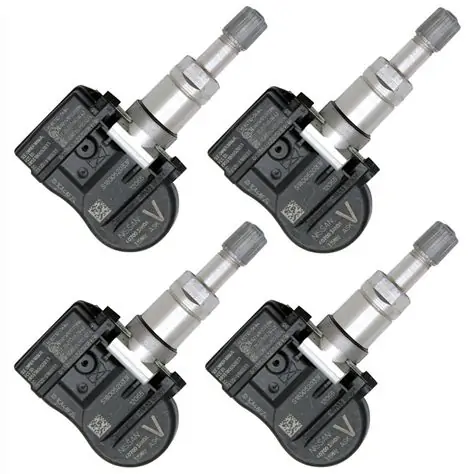
Explore the importance, functionality, and maintenance of Nissan TPMS sensors, along with their key benefits for enhanced vehicle safety and performance.When it comes to vehicle safety and performance, few components are as crucial as the Tire Pressure Monitoring System (TPMS) sensors. For Nissan owners, understanding these sensors and their functions can significantly enhance your driving experience and ensure your car runs at its best. This blog post delves into the essentials of TPMS sensors, their importance in maintaining optimal tire pressure, and how they operate. We will also highlight the specific benefits of Nissan TPMS sensors and offer tips on how to keep them in good working order. Whether you’re a seasoned automotive enthusiast or a new Nissan owner, this guide will provide valuable insights into the role of TPMS sensors in vehicle safety and efficiency.
Understanding TPMS Sensors
TPMS stands for Tire Pressure Monitoring System, a crucial component in modern vehicles designed to monitor the air pressure inside the tires. Most vehicles today, including Nissan models, come equipped with these sensors to ensure safety and enhance performance.
The primary function of TPMS sensors is to alert the driver when tire pressure drops below a predefined level, which could lead to tire blowouts or decreased fuel efficiency. This technology not only enhances safety but also contributes to better fuel economy and longevity of the tires.
Types of TPMS Sensors
There are two primary types of TPMS sensors:
- Direct TPMS: This type uses pressure sensors installed inside the tire, directly measuring the air pressure and sending real-time data to the vehicle’s onboard computer.
- Indirect TPMS: This system doesn’t have direct pressure sensors. Instead, it relies on the vehicle’s ABS (Anti-lock Braking System) to monitor the wheel speeds and infer the tire pressure based on changes in those speeds.
Importance of Understanding TPMS Sensors
Understanding how TPMS sensors work is essential for vehicle owners. A well-functioning TPMS not only enhances vehicle safety but also helps in maintaining optimal tire performance. Improper tire pressure can lead to uneven tire wear, affecting handling and fuel efficiency.
Modern TPMS sensors, like those found in Nissan vehicles, often come with added functionality such as temperature monitoring and integration with the vehicle’s infotainment system, providing drivers with crucial data instantaneously.
Maintenance of TPMS Sensors
Regular maintenance and checks of the Nissan TPMS sensors are vital. This includes:
- Regularly checking tire pressure manually.
- Ensuring that the sensors are properly calibrated, especially after tire changes.
- Replacing battery-powered sensors when the battery life diminishes.
By understanding the function and importance of TPMS sensors, vehicle owners can ensure their safety and the optimal performance of their tires.
Importance of TPMS Sensors
TPMS (Tire Pressure Monitoring System) sensors are a critical component of modern vehicles, particularly for brands like Nissan. Their significance extends beyond mere convenience; they play a vital role in ensuring safety, performance, and fuel efficiency. Here, we will delve into the *importance of TPMS sensors* and how they contribute to a safer driving experience.
One of the primary purposes of TPMS sensors is to monitor tire pressure in real-time. Maintaining the correct tire pressure is essential for various reasons:
- Safety: Under-inflated tires can lead to reduced traction, increased stopping distances, and a higher risk of blowouts. TPMS sensors alert drivers to low tire pressure before these issues escalate.
- Fuel Efficiency: Tires that are not properly inflated can decrease fuel efficiency, leading to increased fuel costs. By providing real-time data, TPMS sensors help ensure that your tires are at optimal pressure, which can save money at the pump.
- Tire Longevity: Properly inflated tires wear evenly and last longer. By monitoring tire pressure, TPMS sensors help extend the lifespan of your tires, reducing the need for frequent replacements.
- Environmental Impact: A well-maintained vehicle with the right tire pressure not only performs better but also reduces carbon emissions. This is an important factor in our shared commitment to environmental sustainability.
In Nissan vehicles, the integration of high-quality TPMS sensors provides drivers with confidence and peace of mind. The sensors are designed to be reliable and accurate, ensuring that you are always informed about your tire’s condition, which could save lives in emergency situations.
Ultimately, by understanding the *importance of TPMS sensors*, drivers can appreciate their role in safeguarding their vehicles and ensuring a safer journey.
How TPMS Sensors Work
The Tire Pressure Monitoring System (TPMS) sensors play a crucial role in ensuring the safety and performance of your vehicle. Understanding how these sensors function is essential for vehicle owners, especially those with Nissan vehicles. Here’s a closer look at how TPMS sensors work:
Types of TPMS Sensors
- Direct TPMS: This type uses sensors mounted directly on each tire’s valve stem to monitor actual tire pressure. They transmit real-time data to the vehicle’s onboard computer system.
- Indirect TPMS: This type does not use pressure sensors but instead relies on the vehicle’s ABS (Anti-lock Braking System) to detect tire pressure changes based on wheel speed. If one tire is under-inflated, it rotates at a different speed than the others.
How Direct TPMS Sensors Work
Direct TPMS sensors measure tire pressure using a pressure-sensitive mechanism within the sensors. Here’s a breakdown of the working mechanism:
| Component | Function |
|---|---|
| Pressure Sensor | Detects the tire’s air pressure and sends the information to the vehicle’s computer. |
| Transmitter | Communicates the tire pressure data wirelessly to the vehicle’s onboard system. |
| Battery | Powers the sensor and transmitter. Most TPMS sensors have a battery life of 5 to 10 years. |
How Indirect TPMS Works
Indirect TPMS sensors utilize the vehicle’s existing wheel speed sensors. This is how they function:
- The ABS monitors the speed of each wheel.
- If a tire loses air, it becomes smaller in diameter and rotates at a different speed compared to fully inflated tires.
- The TPMS system detects this discrepancy and triggers a warning light on the dashboard.
Data Transmission and Alerts
Both types of TPMS sensors transmit data to the vehicle’s central computer through radio frequency signals. Upon detection of abnormal tire pressure or conditions, the system activates a dashboard warning light, often accompanied by a message indicating which tire may be under-inflated.
In summary, understanding how Nissan TPMS sensors work enables vehicle owners to appreciate the technology designed to improve safety and performance. Regular maintenance of the system ensures that it functions effectively and provides accurate tire pressure readings.
Benefits of Nissan TPMS Sensors
Nissan TPMS sensors (Tire Pressure Monitoring System) offer a multitude of benefits that contribute significantly to overall vehicle performance, safety, and efficiency. Below are some key advantages of having Nissan TPMS sensors installed in your vehicle:
- Enhanced Safety: One of the primary benefits of Nissan TPMS sensors is the heightened safety they provide. By constantly monitoring tire pressure, these sensors help in preventing blowouts and loss of vehicle control.
- Improved Fuel Efficiency: Properly inflated tires reduce rolling resistance, which in turn enhances fuel efficiency. Nissan TPMS sensors alert the driver to any significant air pressure drops, allowing for timely adjustments that can save on fuel costs.
- Extended Tire Life: Maintaining the correct tire pressure prolongs tire life. With Nissan TPMS sensors, drivers are more likely to keep their tires properly inflated, preventing uneven wear and tear.
- Convenience: Many Nissan TPMS sensors come equipped with user-friendly dashboard indicators that make it easy to monitor tire health at a glance. This convenience keeps drivers informed about their tire condition without requiring manual checks.
- Compliance with Regulations: In many areas, having a functioning TPMS is a requirement for road safety. Nissan TPMS sensors ensure compliance with these regulations, avoiding potential fines and penalties.
- Real-time Monitoring: The ability to receive real-time updates on tire conditions is invaluable. Nissan TPMS sensors not only alert drivers to low tire pressure but also track pressure fluctuations due to temperature changes or driving conditions.
In summary, incorporating Nissan TPMS sensors into your vehicle’s maintenance routine is essential for enhancing safety, improving efficiency, and ensuring optimal tire health.
Maintaining Nissan TPMS Sensors
Maintaining your Nissan TPMS sensors is crucial for ensuring safe driving and optimal vehicle performance. A well-functioning Tire Pressure Monitoring System (TPMS) helps in preventing tire blowouts and improves fuel efficiency. Here’s how you can maintain your TPMS sensors effectively:
Regular Tire Pressure Checks
Make it a habit to regularly check tire pressures. Manufacturers, including Nissan, recommend checking tire pressure at least once a month.
- Use a reliable tire pressure gauge.
- Check tire pressures when tires are cold.
- Adjust pressures according to the specifications found in the vehicle’s manual.
Inspect Sensors’ Condition
Occasionally, inspect the physical condition of your Nissan TPMS sensors:
- Look for damage or corrosion on the sensors.
- Ensure that the tire valve stems are intact and not leaking.
If you suspect any issues, consider consulting a professional to evaluate the sensors.
Battery Maintenance
Nissan TPMS sensors typically come with batteries that have a limited lifespan. Regularly monitoring their performance can prevent sudden failures:
- Be aware that many sensors have a battery life of around 5 to 10 years.
- When replacing tires, ask your technician to check the sensor battery condition.
Update Your Vehicle’s Software
Occasionally, vehicle software updates may be necessary to ensure proper TPMS functioning:
- Check for updates during regular maintenance visits.
- In some cases, a dealership may need to recalibrate the system after new sensors are installed.
Respond to Warning Lights Promptly
If the TPMS warning light illuminates on your dashboard, it is imperative to take immediate action:
- Check tire pressures as soon as possible.
- If tire pressures are normal, have the sensors checked for faults.
Maintaining your Nissan TPMS sensors will contribute to safer driving conditions, reduce the risk of tire-related incidents, and enhance the overall performance of your vehicle.
Frequently Asked Questions
What is a TPMS sensor?
A Tire Pressure Monitoring System (TPMS) sensor is a device that monitors the air pressure in a vehicle’s tires and alerts the driver if the pressure is too low or too high.
How does the Nissan TPMS sensor work?
The Nissan TPMS sensor uses internal pressure sensors to measure tire pressure and sends this information wirelessly to the vehicle’s onboard computer, which triggers a warning light on the dashboard when any tire is outside the recommended pressure range.
What are the benefits of having a TPMS sensor in a Nissan vehicle?
The benefits of a TPMS sensor include improved fuel efficiency, enhanced safety by reducing the risk of tire blowouts, and prolonging tire life by ensuring proper inflation.
How can I tell if my Nissan TPMS sensor is malfunctioning?
Signs of a malfunctioning TPMS sensor include the warning light remaining illuminated even after correcting tire pressure, frequent loss of pressure, or erroneous pressure readings on the dashboard.
Do I need to replace the TPMS sensor if I get new tires on my Nissan?
In most cases, you can keep the existing TPMS sensors when getting new tires, but it’s a good idea to have them inspected for functionality, and replacement may be necessary if they are damaged or outdated.
How do I reset the TPMS sensor in my Nissan?
To reset the TPMS sensor in your Nissan, you usually need to drive at a speed of around 50 mph for 10 minutes or use the reset button located under the steering wheel, but specific steps may vary by model.
What should I do if the TPMS light stays on after adjusting tire pressure?
If the TPMS light remains on after adjusting tire pressure, you should check for leaks, inspect the sensors, or consult a professional mechanic for diagnostic services.