
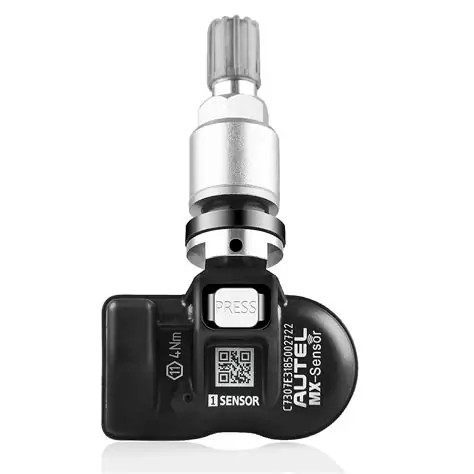
Explore OE TPMS sensors: their function, benefits, common issues, and tips for selecting the right one for your vehicle.In today’s automotive landscape, maintaining tire health is more critical than ever, and one essential component in this equation is the OE TPMS sensor. Designed as the original equipment tire pressure monitoring system, these sensors play a vital role in ensuring optimal tire performance and safety. As we delve deeper into understanding OE TPMS sensors, we’ll explore what they are, how they function, and the benefits they bring to vehicle owners. We’ll also address common issues that may arise with these sensors and provide guidance on selecting the right one for your vehicle. Whether you’re a seasoned automotive enthusiast or simply looking to enhance your driving experience, this blog post will offer valuable insights into the world of OE TPMS sensors.
What is an OE TPMS Sensor?
An OE TPMS Sensor, or Original Equipment Tire Pressure Monitoring System Sensor, is an essential component in modern vehicles designed to monitor the tire pressure in real time. These sensors are typically installed in the tire valves and communicate with the vehicle’s onboard computer system to provide accurate readings of tire pressure.
The main function of an OE TPMS Sensor is to alert the driver when one or more tires are significantly under-inflated or over-inflated, which can lead to unsafe driving conditions. This is crucial for both safety and efficiency, as maintaining the recommended tire pressure can enhance fuel efficiency and prolong tire life.
Unlike aftermarket TPMS sensors, which may not integrate seamlessly with the vehicle’s systems, OE TPMS Sensors are specifically designed to meet manufacturer specifications. This ensures optimal performance and reliability.
Key Components of an OE TPMS Sensor
- Pressure Sensor: Detects changes in tire pressure.
- Temperature Sensor: Monitors tire temperature for potential issues.
- Battery: Powers the sensor, typically lasting several years.
- RF Transmitter: Sends pressure and temperature data to the vehicle’s computer.
Overall, the OE TPMS Sensor plays a critical role in ensuring that drivers are aware of their tire conditions, thereby promoting safer driving practices and reducing the risk of accidents caused by tire failure.
How Does an OE TPMS Sensor Work?
An OE TPMS Sensor, or Original Equipment Tire Pressure Monitoring System Sensor, plays a crucial role in ensuring vehicle safety and efficiency by monitoring tire pressure. Understanding how this sensor works can help vehicle owners appreciate its importance.
Basic Components of OE TPMS Sensors
- Pressure Sensor: Measures tire pressure and sends data to the vehicle’s onboard computer.
- Temperature Sensor: Monitors the temperature of the tire, as temperature fluctuations can affect pressure readings.
- Battery: Powers the sensor and its components.
- RF Transmitter: Sends the data to the vehicle’s dashboard display.
How it Functions
The operation of an OE TPMS Sensor is relatively straightforward:
- The pressure sensor continuously monitors the air pressure in the tire.
- If the pressure falls below or rises above a preset threshold, the sensor collects this information.
- The temperature sensor provides additional data since temperature changes can influence pressure readings.
- The collected data is then encoded and sent wirelessly via the RF transmitter to the vehicle’s central information system.
- If abnormal tire pressure levels are detected, a warning light illuminates on the vehicle’s dashboard, alerting the driver to the issue.
Types of OE TPMS
There are two main types of OE TPMS Sensors:
| Type | Description |
|---|---|
| Direct TPMS | Uses sensors attached to the tire valve to measure pressure directly. |
| Indirect TPMS | Calculates tire pressure based on wheel speed sensors and overall vehicle dynamics. |
Both types serve the same ultimate function but utilize different methods for tire pressure monitoring. Direct TPMS is generally more precise, while indirect TPMS can be more cost-effective.
In summary, an OE TPMS Sensor plays a vital role in vehicle safety by continuously monitoring tire pressure and providing real-time feedback to drivers. Regular maintenance and awareness of the sensor’s functionality can help ensure safe driving conditions.
Benefits of OE TPMS Sensors
OE TPMS sensors (Original Equipment Tire Pressure Monitoring System sensors) play a crucial role in modern vehicles, providing vital information about tire pressure and ensuring optimal safety and performance. Here are some key benefits of using these sensors:
- Improved Safety: By continuously monitoring tire pressure, OE TPMS sensors help detect under-inflation and over-inflation. Maintaining the right tire pressure enhances vehicle stability, reducing the risk of blowouts, skids, and other accidents.
- Enhanced Fuel Efficiency: Properly inflated tires lead to better fuel economy. OE TPMS sensors ensure that your tires are always at their recommended pressure, which can result in a noticeable decrease in fuel consumption.
- Extended Tire Life: By alerting drivers to potential tire issues before they develop into serious problems, OE TPMS sensors help extend the life of your tires. Maintaining correct tire pressure reduces uneven wear and tear.
- Convenience: Many modern vehicles come equipped with OE TPMS sensors, meaning drivers can have peace of mind knowing that their tire pressures are constantly being monitored. The convenience of receiving alerts directly in the dashboard display simplifies the maintenance process.
- Regulatory Compliance: In many regions, having a functioning TPMS is mandatory. Using OE TPMS sensors ensures that your vehicle remains compliant with safety regulations.
In summary, the benefits of OE TPMS sensors are substantial, impacting safety, efficiency, and overall vehicle maintenance. Investing in these sensors is a wise choice for any vehicle owner.
Common Issues with OE TPMS Sensors
The OE TPMS (Original Equipment Tire Pressure Monitoring System) sensors play a crucial role in keeping your vehicle’s tires at optimum pressure. However, like any automotive component, they can experience issues that impact performance and efficiency. Below are some of the common issues associated with OE TPMS sensors:
| Issue | Description | Solution |
|---|---|---|
| Dead Battery | The sensor’s battery can deplete over time, leading to a malfunction. | Replace the sensor to restore function. |
| Sensor Damage | Physical damage can occur from road hazards or improper installation. | Inspect and replace damaged sensors. |
| Incorrect Pressure Readings | Mismatch between actual tire pressure and readings from the TPMS. | Calibrate or reset the sensor; check for leaks. |
| Sensor Malfunction | Internal electronic failures can cause sensors to stop sending signals. | Replace malfunctioning units as needed. |
| Interference | Interference from electronic devices or modifications can affect sensor communication. | Avoid using devices that may interfere, and ensure proper installation of aftermarket products. |
Addressing these issues promptly can help maintain the integrity of your vehicle’s tire monitoring system. Always consult with a professional mechanic if you experience persistent problems with your OE TPMS sensors.
Choosing the Right OE TPMS Sensor
When it comes to selecting the right OE TPMS Sensor, understanding the various factors that influence your choice is crucial. Here are some key points to consider to ensure you make an informed decision:
1. Compatibility
One of the first things to check is compatibility with your vehicle. Not all TPMS sensors are designed to work with every vehicle model. Ensure the sensor you choose is compatible with your specific make and model. You can refer to:
- Vehicle owner’s manual
- Manufacturer specifications
- Aftermarket databases
2. Sensor Type
There are two main types of OE TPMS sensors: direct and indirect. Direct sensors monitor tire pressure directly at the tire, while indirect sensors assess tire pressure through wheel speed data. Consider which type will work best for your driving habits and preferences.
3. Sensor Quality
Opt for a reliable and durable OE TPMS sensor. Look for well-known brands with positive reviews, and consider factors such as:
| Brand | Reputation | Warranty |
|---|---|---|
| Brand A | Excellent | 2 Years |
| Brand B | Good | 1 Year |
| Brand C | Average | 6 Months |
4. Additional Features
Some OE TPMS sensors come with added features such as real-time monitoring, alerts, and even integration with smartphone apps. Consider whether these features are something you would find useful in your everyday driving.
5. Installation Process
Evaluate the installation process of the OE TPMS sensor you choose. Some sensors require professional installation, while others can be done DIY. An easy installation process can save both time and money.
By keeping these factors in mind, you can choose the best OE TPMS sensor that meets your needs and ensures your vehicle’s safety on the road.
Frequently Asked Questions
What is a TPMS sensor?
A TPMS (Tire Pressure Monitoring System) sensor is a device that measures the air pressure inside a tire and alerts the driver when the pressure is too low or varies significantly.
Why is it important to maintain proper tire pressure?
Maintaining proper tire pressure is crucial for vehicle safety, fuel efficiency, and tire longevity. It helps improve handling, reduces the risk of tire blowouts, and enhances overall vehicle performance.
How can I tell if my TPMS sensor is malfunctioning?
Common signs of a malfunctioning TPMS sensor include a persistent warning light on the dashboard, incorrect pressure readings, and difficulty in resetting the system.
What are the common types of TPMS sensors?
There are two main types of TPMS sensors: direct and indirect. Direct sensors measure the actual tire pressure, while indirect sensors estimate pressure based on wheel speed.
How often should I check my tire pressure?
It’s recommended to check your tire pressure at least once a month and before long trips to ensure optimal performance and safety.
Can I replace a TPMS sensor myself?
While it is possible to replace a TPMS sensor yourself, it often requires specific tools and knowledge. For best results, it’s advisable to have it done by a professional mechanic.
What happens if I ignore a TPMS warning light?
Ignoring a TPMS warning light can lead to under-inflated tires, which increases the risk of tire damage, reduced fuel efficiency, and compromised vehicle safety.