
Discover the advantages of OEM Toyota TPMS sensors, their installation process, cost-effectiveness, and how they compare to aftermarket alternatives.When it comes to maintaining your Toyota’s performance and safety, one crucial component often overlooked is the Tire Pressure Monitoring System (TPMS) sensor. An OEM (Original Equipment Manufacturer) Toyota TPMS sensor is designed specifically for Toyota vehicles, ensuring compatibility and reliability. In this blog post, we will delve into what an OEM Toyota TPMS sensor is, explore the numerous benefits it offers, and discuss the installation process. We’ll also compare these sensors with aftermarket alternatives and evaluate their cost-effectiveness. Whether you’re a seasoned mechanic or a car enthusiast, understanding the importance of OEM TPMS sensors can help you make informed decisions for your vehicle’s tire health. Let’s get started!
What is an OEM Toyota TPMS Sensor?
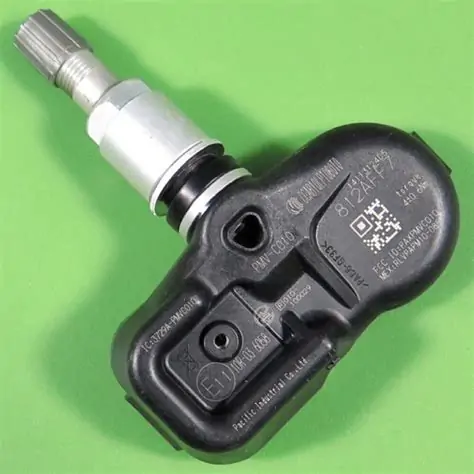
An OEM Toyota TPMS Sensor, or Original Equipment Manufacturer Tire Pressure Monitoring System Sensor, is a specialized device designed to monitor the air pressure in tires of Toyota vehicles. This sensor provides real-time data to the vehicle’s onboard computer, helping to ensure optimal tire performance and safety.
The TPMS is crucial for detecting low tire pressure which can lead to tire blowouts, reduced fuel efficiency, and increased tire wear. Using an OEM sensor guarantees that the component is built to Toyota’s exacting standards, ensuring compatibility and reliability.
Key features of the OEM Toyota TPMS Sensor include:
- Precision engineering tailored specifically for Toyota vehicles
- Durability for long-lasting performance
- Accurate real-time feedback on tire pressure and temperature
- Easy integration with the vehicle’s existing systems
Ultimately, an OEM TPMS sensor serves as an essential safety feature, allowing drivers to maintain proper tire inflation and extending the lifespan of their tires while enhancing overall driving safety.
Benefits of using OEM TPMS sensor
When it comes to vehicle safety and performance, the OEM Toyota TPMS sensor stands out as a trusted component. These sensors are designed specifically for Toyota vehicles and offer a range of benefits that can enhance your driving experience. Let’s delve into some of these advantages:
- Precision and Reliability: OEM TPMS sensors are engineered to meet the exact specifications of your vehicle. This ensures accurate tire pressure readings, thereby contributing to your overall safety.
- Seamless Compatibility: Since they are made for specific models, OEM sensors integrate perfectly with your car’s onboard systems. This compatibility helps avoid unforeseen complications that can arise from using generic sensors.
- Durability: Built to endure tough driving conditions, OEM sensors are often made from higher quality materials than many aftermarket alternatives. This results in a longer lifespan and reduces the need for frequent replacements.
- Warranty Coverage: Many OEM parts, including the TPMS sensors, come with a manufacturer’s warranty. This can offer peace of mind knowing that if any issues arise, you are protected.
- Enhanced Resale Value: Vehicles that use OEM parts tend to maintain higher resale values. Potential buyers often look for cars that have been properly maintained with original equipment parts.
In conclusion, choosing an OEM Toyota TPMS sensor can greatly enhance your vehicle’s performance, safety, and value. Whether it’s reliability, durability, or peace of mind, the benefits are clear.
Installation process of OEM TPMS sensor
Installing an OEM Toyota TPMS sensor is a critical procedure to ensure that your vehicle’s tire pressure monitoring system functions correctly. Following the correct installation process is essential to maintain safety and performance. Below is a detailed guide on how to install an OEM TPMS sensor.
Tools and Materials Needed
- OEM TPMS sensor
- Tire pressure gauge
- Tire lever
- Tire mounting machine (if available)
- Valve core tool
- Torque wrench
- Safety glasses
Step-by-Step Installation Process
- Safety First: Before starting the installation, ensure that the car is parked on a flat surface and the engine is turned off. Wear safety glasses to protect your eyes.
- Remove the Tire: Using a tire lever or a tire mounting machine, carefully remove the tire from the wheel. If you have a spare or extra tire to work with, it can make the job easier.
- Locate the Sensor: The TPMS sensor is usually attached to the valve stem of the tire. Locate the old TPMS sensor to remove it.
- Remove the Old Sensor: Use the valve core tool to remove the valve core. This will allow air to escape and ensure that you can detach the old sensor easily.
- Install the OEM TPMS Sensor: Take the new OEM TPMS sensor and attach it to the valve stem. Make sure it fits securely and aligns with the valve. Torque the sensor to the manufacturer’s specifications using a torque wrench.
- Replace the Valve Core: Once the new sensor is in place, insert the valve core back into the valve stem and tighten it securely to prevent air leaks.
- Re-mount the Tire: Carefully re-mount the tire onto the wheel, ensuring that the sensor remains undamaged during this process.
- Inflate the Tire: Inflate the tire to the recommended pressure levels, checking with a tire pressure gauge as necessary.
- Reset the TPMS Light: After installing the new OEM sensor, ensure to reset the TPMS light on the dashboard to confirm successful installation.
Final Checks
After completing the installation, check for any air leaks around the valve stem using a soapy water solution. If bubbles form, tighten the valve core or reseat the sensor as needed. Finally, take your vehicle for a short drive to ensure that the TPMS system is functioning correctly.
By following these steps carefully, you can ensure the successful installation of your OEM Toyota TPMS sensor and maintain optimal safety and performance on the road.
Comparison with aftermarket TPMS sensors
When considering OEM Toyota TPMS sensors, one significant aspect to evaluate is how they compare to aftermarket TPMS sensors. This comparison can help vehicle owners make informed decisions based on quality, reliability, and overall performance.
Key Differences
| Feature | OEM TPMS Sensors | Aftermarket TPMS Sensors |
|---|---|---|
| Quality | High-quality components designed specifically for Toyota vehicles | Varied quality; some may not meet OEM standards |
| Fitment | Perfect fit for all Toyota models | May require additional adjustments or may not fit perfectly |
| Durability | Engineered for longevity under Toyota’s strict quality control | Durability can vary significantly between brands |
| Price | Generally higher due to OEM branding | Often less expensive, but not always a better value |
| Warranty | Usually comes with a manufacturer’s warranty | Warranty varies; some may offer limited coverage |
Performance Considerations
Using OEM TPMS sensors ensures that your vehicle’s tire pressure monitoring system operates seamlessly. Here are some performance benefits:
- Accurate Readings: OEM sensors are calibrated to your vehicle, providing precise tire pressure data.
- No Compatibility Issues: They are specifically designed to integrate perfectly with your vehicle’s system, minimizing errors.
- Reliability: OEM parts are less likely to malfunction, leading to a more reliable driving experience.
Potential Drawbacks of Aftermarket Sensors
While aftermarket TPMS sensors may seem like an attractive option due to lower prices, there are some potential drawbacks to consider:
Cheaper does not always mean better; reliability and accuracy can be significantly compromised with aftermarket options.
– Inconsistent quality and durability
– Possible compatibility issues which may lead to malfunctions
– Lack of warranty or limited support
In summary, while aftermarket TPMS sensors can save money upfront, OEM Toyota TPMS sensors offer greater reliability, accuracy, and overall pe
Cost-effectiveness of OEM TPMS sensor
The OEM Toyota TPMS sensor is known for its reliability and performance, but how does this translate into cost-effectiveness? In this section, we will explore the economic advantages of investing in OEM sensors over their aftermarket counterparts.
Initial Investment vs. Long-term Savings
At first glance, the price of an OEM TPMS sensor might be higher compared to aftermarket options. However, it’s essential to consider the long-term savings associated with choosing OEM products:
- Durability: OEM sensors are designed to meet the original specifications of Toyota vehicles, which generally means they last longer and function better.
- Reduced Risk of Failure: Choosing OEM helps avoid the issues often associated with cheaper aftermarket sensors, such as frequent failures and incorrect readings.
- Warranty Coverage: OEM sensors typically come with a warranty, providing peace of mind and potential savings on replacements.
Value Over Time
Investing in an OEM TPMS sensor can lead to greater value over time due to factors such as:
- Fewer Replacements: With OEM sensors, you are likely to experience fewer failures, thereby reducing the overall cost of sensor replacements.
- Improved Fuel Efficiency: A well-functioning TPMS helps maintain optimal tire pressure, which enhances fuel efficiency and can save you money at the pump.
- Enhanced Safety: Accurate tire pressure readings contribute to safer driving, potentially reducing the chances of accidents that can lead to costly repairs.
Market Comparison
When comparing the lifetime costs of OEM sensors versus aftermarket options, the advantages become clear:
| Feature | OEM TPMS Sensor | Aftermarket TPMS Sensor |
|---|---|---|
| Initial Cost | Higher | Lower |
| Durability | High | Variable |
| Failure Rate | Low | High |
| Warranty | Included | Often Not Available |
As this comparison illustrates, while OEM TPMS sensors may cost more initially, the total cost of ownership can be significantly lower when you account for durability, fewer replacements, and overall performance.
In summary, choosing an OEM TPMS sensor is a wise investment when considering the long-term benefits and potential savings, making it a cost-effective solution for maintaining your Toyota vehicle.
Frequently Asked Questions
What is an OEM Toyota TPMS sensor?
An OEM Toyota TPMS (Tire Pressure Monitoring System) sensor is a factory-sourced device made specifically for Toyota vehicles to monitor tire pressure.
Why is it important to use an OEM TPMS sensor?
Using an OEM TPMS sensor ensures compatibility and accuracy in monitoring tire pressure, which helps maintain vehicle safety and performance.
How do I know if my Toyota TPMS sensor is malfunctioning?
Common signs of a malfunctioning TPMS sensor include a warning light on the dashboard, inconsistent tire pressure readings, or a delay in sensor activation.
Can I replace a Toyota TPMS sensor myself?
Yes, you can replace a Toyota TPMS sensor yourself if you have the necessary tools and knowledge, but it’s recommended to consult a professional for installation.
What tools do I need to replace an OEM Toyota TPMS sensor?
To replace an OEM Toyota TPMS sensor, you typically need a tire iron, tire pressure gauge, a wrench, and potentially a specialized TPMS tool for reset.
How often should I replace my TPMS sensors?
It’s recommended to replace TPMS sensors every 5 to 7 years or if they show signs of malfunction or wear.
Where can I purchase OEM Toyota TPMS sensors?
OEM Toyota TPMS sensors can be purchased at authorized Toyota dealerships, online through official Toyota parts websites, or through trusted automotive retailers.