
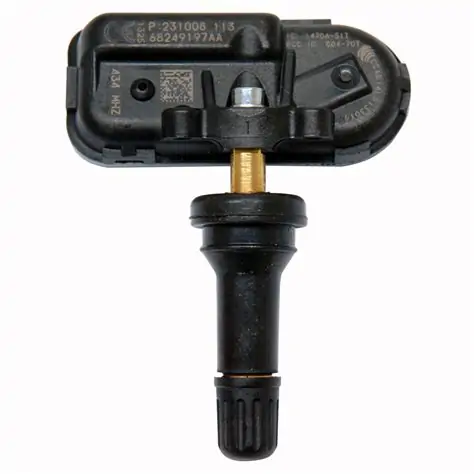
Discover the essentials of OEM TPMS sensors, their benefits, compatibility, installation, calibration, and the importance of regular maintenance for optimal vehicle performance.When it comes to ensuring the safety and efficiency of your vehicle, understanding the components that contribute to optimal performance is crucial. One such item is the OEM TPMS (Tire Pressure Monitoring System) sensor. These sensors play a vital role in monitoring tire pressure, alerting drivers to potential issues before they develop into serious problems. In this blog post, we will explore what an OEM TPMS sensor is, the benefits of using these specific sensors, and their compatibility with various vehicle systems. Additionally, we will discuss the installation and calibration process, as well as the importance of regular maintenance to prolong the lifespan of these essential components. Whether you’re a car enthusiast or simply a conscientious driver, this guide will provide you with valuable insights into maintaining your vehicle’s performance and safety.
What is an OEM TPMS Sensor?
An OEM TPMS Sensor (Original Equipment Manufacturer Tire Pressure Monitoring System Sensor) is a critical component in modern vehicles designed to monitor tire pressures. These sensors are specifically engineered to meet the vehicle manufacturer’s standards and specifications, ensuring optimal performance and compatibility.
OEM TPMS Sensors are typically installed in each tire and are responsible for transmitting real-time tire pressure data to the vehicle’s onboard computer system. This information is crucial for maintaining vehicle safety, enhancing fuel efficiency, and prolonging tire life.
Key Features of OEM TPMS Sensors
- Precision Engineering: Built to exact manufacturer specifications for guaranteed compatibility.
- Reliability: OEM sensors are tested rigorously to ensure they function under various conditions.
- Integration: Seamlessly integrates with the vehicle’s existing systems for accurate data communication.
The importance of using an OEM TPMS Sensor cannot be overstated. Not only do they provide critical data on tire health, but they also feature advanced technology that alerts the driver to any pressure discrepancies, which can lead to complications if not addressed promptly. In essence, an OEM TPMS Sensor is not just a replacement part; it is a component that plays a significant role in the overall safety and performance of your vehicle.
Benefits of Using OEM TPMS Sensor
When it comes to maintaining the safety and performance of your vehicle, having a reliable tire pressure monitoring system (TPMS) is crucial. One of the best options available is the OEM TPMS sensor. Below are some of the key benefits associated with using OEM TPMS sensors:
- Quality Assurance: OEM (Original Equipment Manufacturer) sensors are designed and manufactured to meet the exact specifications of your vehicle. This ensures that they will perform optimally, offering a level of reliability that aftermarket products often cannot match.
- Enhanced Compatibility: Since these sensors are created specifically for your vehicle model, they are guaranteed to be compatible with the vehicle’s onboard systems. This minimizes the risk of errors or malfunctions that can occur with aftermarket alternatives.
- Accurate Readings: An OEM TPMS sensor provides precise tire pressure readings, which are crucial for maintaining optimal tire performance. Accurate readings contribute to better fuel efficiency and improved vehicle handling.
- Long-term Durability: OEM parts are typically made from higher quality materials compared to their aftermarket counterparts. This leads to a longer lifespan, reducing the frequency of replacement and ultimately saving you money in the long run.
- Warranty Benefits: Most OEM components come with a manufacturer warranty. This provides peace of mind, ensuring that if something goes wrong, you have coverage for repairs or replacements.
- Improved Safety: Since OEM TPMS sensors operate optimally, they contribute to a safer driving experience. They alert you promptly in case of low tire pressure, reducing the risk of tire blowouts and accidents.
In summary, the decision to use an OEM TPMS sensor is a wise choice for vehicle owners looking to enhance their vehicle’s safety, performance, and longevity. Invest in an OEM sensor and experience the difference that quality and compatibility can make!
Compatibility with Vehicle Systems
The OEM TPMS Sensor (Tire Pressure Monitoring System) is a crucial component for maintaining tire safety and performance. Understanding its compatibility with vehicle systems is essential for optimal functionality.
Vehicle manufacturers design OEM TPMS Sensors specifically for their models, ensuring precise integration with the vehicle’s electronic systems. Here are some key points regarding compatibility:
- Specific Fit: Each OEM TPMS sensor is engineered to fit specific vehicle makes and models, which means they align perfectly with the vehicle’s existing hardware.
- Communication Protocols: OEM sensors use unique communication protocols to relay tire pressure information to the vehicle’s onboard computer, ensuring accurate readings.
- Seamless Integration: These sensors are designed for seamless integration with other systems like ABS (Anti-lock Braking System) and traction control, promoting overall vehicle safety.
It’s important to note that aftermarket sensors may not always offer the same level of compatibility, potentially leading to issues with sensor readings or vehicle alerts.
For vehicle owners, ensuring the use of OEM TPMS Sensors is essential for maintaining the integrity of the vehicle’s tire pressure monitoring system. When sensors are compatible with vehicle systems, it enhances the vehicle’s reliability and safety.
“Using OEM parts ensures that you are maintaining the quality and safety of your vehicle.”
In summary, when it comes to the compatibility of OEM TPMS Sensors with vehicle systems, always prioritize genuine parts to guarantee optimal performance and safety on the road.
Installation and Calibration Process
The OEM TPMS sensor (Tire Pressure Monitoring System) plays a crucial role in maintaining your vehicle’s safety and efficiency. Understanding the installation and calibration process of these sensors is essential for ensuring they function correctly and provide reliable data. Below is a detailed breakdown of the steps involved in installing and calibrating an OEM TPMS sensor.
Installation Steps
- Gather Necessary Tools: Before starting, ensure you have all the required tools including a tire pressure gauge, valve core tool, and a universal TPMS tool.
- Removal of the Tire: Safely jack up the vehicle and remove the tire where the TPMS sensor will be installed or replaced.
- Remove the Existing Sensor: Use the valve core tool to remove the valve core and allow the air to escape from the tire. Then, carefully detach the old sensor from the valve stem.
- Install the New OEM TPMS Sensor: Insert the new OEM TPMS sensor onto the valve stem, ensuring it is tightly secured. Replace the valve core to seal the tire.
- Inflate the Tire: Inflate the tire to the recommended pressure and check for any leaks.
Calibration Process
After installation, the calibration process is crucial to ensure that the system monitors tire pressure accurately:
- Reconnect the Battery: If the vehicle’s battery was disconnected during the installation, reconnect it to the vehicle.
- Use a TPMS Tool: Utilize a TPMS programming tool to register the new sensor with the vehicle’s onboard system. Follow the manufacturer’s instructions closely.
- Test the System: After calibration, initiate a self-test of the TPMS system. Make sure all sensors are communicating properly with the vehicle’s computer.
Final Checks
Once the installation and calibration process is complete, monitor the TPMS light on the dashboard for any warnings. It’s essential to ensure that your OEM TPMS sensor operates flawlessly, as this contributes significantly to your vehicle’s overall safety and performance.
Regular monitoring and occasional recalibration may be necessary, especially if tire pressure warnings arise or after tire rotation. By following these steps, you can ensure that your OEM TPMS sensor remains effective and reliable over time.
Importance of Regular Maintenance
When it comes to ensuring the optimal performance of your vehicle’s OEM TPMS sensor (Tire Pressure Monitoring System), regular maintenance cannot be overstated. Just like any other component of your car, the TPMS sensor requires attention to function effectively. Here are some key reasons why regular maintenance is essential:
1. Safety First
Maintaining your OEM TPMS sensor helps prevent tire blowouts, which can lead to dangerous driving conditions. Properly functioning sensors alert you to low tire pressure, ensuring that you maintain the right pressure levels.
2. Enhanced Fuel Efficiency
When your tires are properly inflated, your vehicle operates more efficiently. Regular checks on your TPMS sensor can help you monitor and adjust tire pressure, improving overall fuel economy and saving you money at the pump.
3. Prolonged Tire Life
Regular maintenance of the OEM TPMS sensor can extend the life of your tires. Proper tire pressure leads to less wear and tear, which means you won’t have to replace tires as frequently.
4. Avoiding Costly Repairs
Neglecting your TPMS sensor can lead to bigger issues down the road. If tire pressure remains unmonitored, it can cause uneven wear and potential damage to other vehicle components. Regular maintenance allows you to catch these problems early, saving you from costly repairs.
5. Maintaining Vehicle Value
A well-maintained vehicle with properly functioning OEM TPMS sensors can hold its value better over time. Buyers often look for vehicles that have been carefully maintained, which includes a proper tire monitoring system.
Regular Maintenance Checklist
| Task | Frequency |
|---|---|
| Check Tire Pressure | Monthly |
| Inspect TPMS Functionality | Every 6 months |
| Change Tires Seasonally | As needed |
| Calibrate TPMS After Tire Changes | Every tire change |
In summary, ensuring the regular maintenance of your OEM TPMS sensor is crucial for safety, efficiency, and longevity. Make it a part of your overall vehicle maintenan
Frequently Asked Questions
What does OEM stand for in the context of TPMS sensors?
OEM stands for Original Equipment Manufacturer, indicating that the TPMS sensor is made by the same company that produced the original parts for the vehicle.
What is a TPMS sensor?
A Tire Pressure Monitoring System (TPMS) sensor is a device that monitors the air pressure inside the tires of a vehicle and alerts the driver if the pressure is too low.
What are the benefits of using OEM TPMS sensors?
OEM TPMS sensors are designed to meet the exact specifications of the vehicle, ensuring proper fit, functionality, and performance, and usually have better reliability compared to aftermarket options.
How can I tell if my TPMS sensor is failing?
Signs of a failing TPMS sensor include a persistent warning light on the dashboard, inaccurate tire pressure readings, or an inability to reset the system.
Can I replace a damaged OEM TPMS sensor with an aftermarket one?
While you can replace a damaged OEM TPMS sensor with an aftermarket sensor, it is recommended to use OEM sensors to maintain optimal performance and compatibility with the vehicle.
What is the average lifespan of an OEM TPMS sensor?
The average lifespan of an OEM TPMS sensor is typically around 5 to 10 years, depending on usage and environmental factors.
How do I know which OEM TPMS sensor is compatible with my vehicle?
You can find the compatible OEM TPMS sensor for your vehicle by checking the owner’s manual, contacting the dealership, or using online parts databases that specify sensors based on your vehicle’s make and model.