
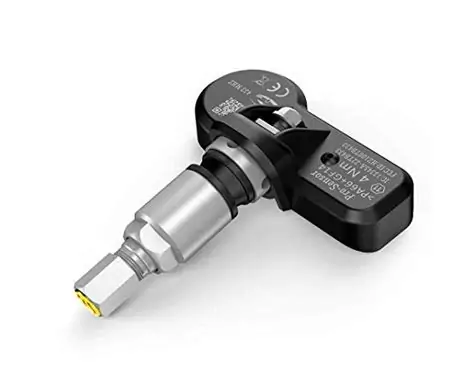
Discover the benefits of pre-programmed TPMS sensors, including easy installation, vehicle compatibility, and long-term cost-effectiveness for your driving experience.In today’s automotive landscape, ensuring vehicle safety and optimal performance is more crucial than ever, and one often-overlooked component is the Tire Pressure Monitoring System (TPMS). Among the options available, pre-programmed TPMS sensors stand out as a compelling choice for both car enthusiasts and everyday drivers. These sensors come ready to use right out of the box, streamlining the installation process and eliminating compatibility concerns that can arise with traditional TPMS solutions. In this blog post, we will explore the definition of pre-programmed TPMS sensors, their numerous advantages, ease of installation, compatibility with various vehicle models, and their cost-effectiveness in providing long-term benefits. Whether you are a seasoned mechanic or a vehicle owner seeking to enhance your safety, understanding pre-programmed TPMS sensors is essential in today’s market.
What are pre-programmed TPMS sensors?
Pre-programmed TPMS sensors (Tire Pressure Monitoring System sensors) are advanced electronic devices installed in vehicles to monitor tire pressure and temperature. These sensors play a crucial role in enhancing vehicle safety and maintaining optimal tire performance.
Unlike traditional TPMS sensors that require individual programming, pre-programmed TPMS sensors come ready for installation, making them a hassle-free solution for both automotive technicians and vehicle owners. They are designed to be compatible with various vehicle makes and models, enabling quick and efficient service.
Key features of pre-programmed TPMS sensors include:
- Plug-and-Play Convenience: Easily installed without the need for additional programming equipment.
- Universal Compatibility: Can be used across numerous vehicle models and brands.
- Battery Life: Typically equipped with a long-lasting battery that ensures durability.
- Enhanced Accuracy: Provide accurate tire pressure readings, contributing to preventive maintenance.
In essence, pre-programmed TPMS sensors streamline the monitoring process, allowing for quick replacements while ensuring safety and effectiveness.
Advantages of pre-programmed TPMS sensors
The use of pre-programmed Tire Pressure Monitoring System (TPMS) sensors has gained traction among vehicle owners and professionals in the automotive industry. Understanding the benefits of these sensors can help you make informed decisions about tire maintenance and safety.
1. Simplified Installation
One of the most notable advantages of pre-programmed TPMS sensors is their ease of installation. Unlike traditional TPMS sensors that require extensive programming or relearning:
- The pre-programmed sensors are ready to use right out of the box.
- No special tools or equipment are necessary, saving you time and effort.
2. Increased Vehicle Compatibility
Pre-programmed TPMS sensors offer superior compatibility with various vehicle models:
- They are designed to work seamlessly with a wide range of automotive brands and vehicles.
- This ensures that you can find an appropriate sensor no matter what car you have.
3. Cost-Effective Solution
Investing in pre-programmed TPMS sensors can lead to significant savings:
- They reduce the labor costs associated with installing and programming standard sensors.
- Long-term benefits include enhanced tire longevity and improved fuel efficiency.
4. Enhanced Reliability
Pre-programmed TPMS sensors are known for their reliability:
- With fewer installation steps, there’s a lower risk of human error.
- They are engineered to provide accurate tire pressure readings, ensuring safety on the road.
5. Eco-Friendly Choice
Using pre-programmed TPMS sensors can significantly contribute to environmental conservation:
- Proper tire maintenance leads to reduced fuel consumption.
- This results in lower carbon emissions, making it a sustainable option.
In summary, the advantages of pre-programmed TPMS sensors are clear. From ease of installation and vehicle compatibility to cost-effectiveness and eco-friendliness, these sensors provide a practical solution for maintaining tire health and ensuring safety on the road.
Ease of installation and use
One of the significant benefits of pre-programmed TPMS sensors is the ease of installation and use. Gone are the days when tire pressure monitoring systems became a hassle due to complicated setups and extensive calibrations. Here’s why these systems stand out:
- Simplified Setup: Unlike traditional TPMS, pre-programmed sensors come ready to install right out of the box. There’s no need for complex programming or diagnostic tools, ensuring that even those with minimal technical expertise can tackle the installation.
- Plug-and-Play Functionality: Most pre-programmed TPMS sensors feature plug-and-play installations, which allow you to simply replace the old sensors with the new ones without any additional coding. This feature significantly reduces the time spent on installation.
- Instant Compatibility: These sensors are designed to work with a variety of vehicle makes and models. As a result, users can easily find the right fit for their vehicles, contributing to a hassle-free installation process.
- User-Friendly Design: Many pre-programmed sensors include clear installation instructions, often accompanied by visual aids. This user-centric approach facilitates understanding and enhances the overall installation experience.
As the market for TPMS sensors expands, the demand for systems that are easy to install and operate will only continue to grow. Pre-programmed sensors exemplify this trend, providing a seamless experience for users who wish to maintain their tire health with minimal effort.
Compatibility with different vehicle models
When it comes to tire pressure monitoring systems, pre-programmed TPMS sensors are an essential component that enhances safety and efficiency. One of the significant advantages of these sensors is their compatibility with different vehicle models. This versatility plays a crucial role in their widespread adoption across various types of vehicles.
The following points highlight how pre-programmed TPMS sensors cater to a wide range of vehicles:
- Universal Fit: Many manufacturers design their pre-programmed TPMS sensors to be compatible with multiple vehicle brands and models. This means that a single sensor type can be used across different types of vehicles, making it a more flexible solution.
- Vehicle-Specific Programming: While they are designed for universality, some TPMS sensors can also be programmed to suit specific vehicle parameters, enhancing functionality and accuracy.
- Adaptability: Pre-programmed TPMS sensors can often adapt to different tire sizes and configurations, thus making them suitable for vehicles with unique requirements, such as vans, SUVs, and trucks.
- Replacement Ease: Finding compatible sensors for replacement is more straightforward, as these are often provided by retailers in sets that cater to various vehicle makes. This reduces downtime for vehicle owners and ensures quicker replacements.
In a dynamic automotive market, where new models are continuously introduced, the compatibility of pre-programmed TPMS sensors is paramount. They not only accommodate a wide range of vehicles but also help maintain industry standards across the board. By choosing compatible sensors, automotive professionals and DIY enthusiasts can ensure enhanced reliability and safety in every ride.
Pre-programmed TPMS sensors simplify the maintenance of tire pressure management across different vehicles, offering a great combination of efficiency and reliability. – Automotive Expert
Cost-effectiveness and long-term benefits
When it comes to managing vehicle performance and safety, the importance of pre-programmed TPMS sensors cannot be overstated. Beyond their initial purchase price, it’s essential to consider the cost-effectiveness and the long-term benefits they provide to vehicle owners. Here are several reasons why investing in pre-programmed TPMS sensors is a wise decision:
- Reduced Labor Costs: Since pre-programmed TPMS sensors come ready to install, they significantly cut down on labor time at the garage. The elimination of the need for programming after installation means savings on labor costs for the vehicle owner.
- Lower Maintenance Costs: These sensors are designed for durability and reliability. Their long lifespan reduces the frequency of breakdowns and repairs, leading to lower maintenance costs in the long run.
- Enhanced Fuel Efficiency: Properly functioning TPMS sensors help maintain optimal tire pressure. This, in turn, improves fuel efficiency, providing financial savings at the pump over time.
- Increased Vehicle Lifespan: Maintaining the correct tire pressure through the use of TPMS can extend the lifespan of tires and other vehicle components, contributing to the overall longevity of the vehicle and reducing the need for premature replacements.
- Improved Safety: While not a direct financial benefit, the improved safety that comes with having well-functioning TPMS sensors can prevent costly accident repairs, medical bills, and insurance claims in the event of a tire failure.
Incorporating pre-programmed TPMS sensors into your vehicle maintenance routine is not just about immediate cost savings; it’s about enhancing the vehicle’s efficiency and ensuring long-term reliability. As a result, it plays a significant role in reducing overall vehicle ownership costs.
Frequently Asked Questions
What are pre-programmed TPMS sensors?
Pre-programmed TPMS sensors are tire pressure monitoring system sensors that come with factory settings and are ready to be installed without the need for additional programming.
How do pre-programmed TPMS sensors differ from universal sensors?
Pre-programmed TPMS sensors are specifically designed for particular vehicle makes and models, whereas universal sensors can be adapted to fit multiple vehicles but may require programming.
What are the advantages of using pre-programmed TPMS sensors?
The advantages include easier installation, reduced labor time, and compatibility with existing vehicle systems since they come ready to use.
Can I use pre-programmed TPMS sensors for all vehicles?
No, pre-programmed TPMS sensors are vehicle-specific, so it’s essential to choose sensors that match the make and model of your vehicle.
How do I know if my vehicle requires pre-programmed TPMS sensors?
You can check your vehicle owner’s manual or consult with a mechanic to understand the type of TPMS sensors compatible with your vehicle.
What happens if I install the wrong type of TPMS sensor?
Installing the wrong type of TPMS sensor can lead to inaccurate tire pressure readings, dashboard warning lights, and potentially compromised safety.
Are there any maintenance tips for pre-programmed TPMS sensors?
Yes, regular inspections of tire pressure, ensuring the sensors are properly mounted, and checking battery life (if applicable) can help maintain the effectiveness of pre-programmed TPMS sensors.