
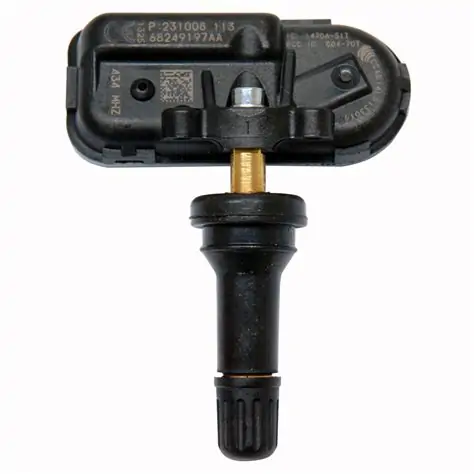
Explore TPMS sensors on the Ram 2500—understand their importance, how they work, common issues, and replacement tips for optimal vehicle performance.When it comes to maintaining your Ram 2500, understanding the tire pressure monitoring system (TPMS) sensor is crucial for ensuring both safety and performance. The TPMS sensor plays a vital role in detecting tire pressure levels, helping drivers stay informed about their vehicle’s condition and preventing potential hazards on the road. In this blog post, we will delve into the importance of the TPMS for your Ram 2500, explain how the sensor operates, and highlight common issues that may arise. Additionally, we will provide guidance on replacing the TPMS sensor when necessary, ensuring your truck remains in top shape for all your adventures. Join us as we explore the ins and outs of the Ram 2500 TPMS sensor and its significance for your driving experience.
Understanding TPMS Sensor
The Tire Pressure Monitoring System (TPMS) is an essential safety feature in vehicles, including the Ram 2500. Understanding how the TPMS sensor works and its importance can significantly enhance your driving experience.
A TPMS sensor continuously monitors the air pressure in the tires and communicates with the vehicle’s onboard computer system. It is designed to alert drivers when tire pressure falls below the recommended levels, which is vital for both safety and fuel efficiency.
Types of TPMS
There are two main types of TPMS:
- Direct TPMS: This type uses sensors mounted inside each tire to measure air pressure directly. When the pressure drops, the sensor sends a signal to the vehicle’s onboard computer.
- Indirect TPMS: This system uses the vehicle’s ABS (Anti-lock Braking System) and wheel speed sensors to detect differences in tire rotation. A change in speed may indicate a tire is under-inflated.
Importance of TPMS
The importance of TPMS cannot be overstated for several reasons:
- Safety: Under-inflated tires can lead to blowouts, loss of vehicle control, and accidents.
- Fuel Efficiency: Properly inflated tires improve fuel economy, saving you money at the pump.
- Tire Longevity: Maintaining the correct tire pressure extends the lifespan of your tires, reducing the frequency of replacements.
In conclusion, ensuring your Ram 2500 is equipped with a functional TPMS sensor is not merely a recommendation but a necessity for anyone prioritizing safety and efficiency in their driving experience.
Importance of TPMS for Ram 2500
The Tire Pressure Monitoring System (TPMS) plays a crucial role in the safety and performance of your Ram 2500. This system is designed to constantly monitor the air pressure inside the tires, alerting the driver if any tire is under-inflated or over-inflated. Here are some key reasons why the TPMS is essential for your Ram 2500:
- Enhanced Safety: Proper tire pressure is critical for maintaining optimal grip on the roads. An under-inflated tire can lead to blowouts, while an over-inflated tire can result in reduced traction. The TPMS helps in preventing such scenarios by providing real-time alerts.
- Improved Fuel Efficiency: Tires that are at the correct pressure utilize fuel more efficiently. When the pressure is too low, the engine has to work harder, leading to increased fuel consumption. A properly functioning TPMS contributes to better fuel economy.
- Extended Tire Lifespan: Correct tire pressure minimizes uneven tire wear, which ultimately extends the lifespan of your tires. Regular monitoring through the TPMS can help in maintaining optimal tire health.
- Better Handling: The performance of your Ram 2500 is heavily influenced by the condition of its tires. Maintaining proper tire pressure enhances handling and responsiveness, particularly during maneuvering and heavy loads.
- Compliance with Regulations: Many regions require TPMS to be operational as part of vehicle safety regulations. Keeping your TPMS functional ensures that your Ram 2500 complies with these laws.
In summary, the TPMS is not just a luxury feature in your Ram 2500; it is a vital system that enhances safety, improves fuel economy, and ensures better tire performance. Regular checks and maintenance of the TPMS can go a long way in safeguarding your vehicle and ensuring a smooth driving experience.
How TPMS Sensor Works
The Tire Pressure Monitoring System (TPMS) is an essential safety feature in modern vehicles, including the Ram 2500. Understanding how the TPMS sensor works is key to appreciating its role in vehicle safety and maintenance.
The primary function of the TPMS is to monitor the air pressure in the tires and alert the driver when the pressure is too low or too high. Here’s a deeper look into how it achieves this:
Types of TPMS
- Direct TPMS: This system uses sensors installed on each tire to measure the tire pressure directly. These sensors transmit real-time data to the vehicle’s onboard computer.
- Indirect TPMS: This method doesn’t use physical sensors in the tires. Instead, it relies on the vehicle’s anti-lock braking system (ABS) to measure wheel speed. If a tire is under-inflated, it has a different circumference, making it rotate faster than the others, triggering a warning.
How the Sensors Work
The TPMS sensors generally consist of the following components:
- Pressure Sensor: Detects the tire air pressure.
- Temperature Sensor: Monitors the tire temperature, as temperature and pressure are related.
- Battery: Powers the sensor; this usually has a lifespan of about 5-10 years.
- Transmitter: Sends data to the vehicle’s computer.
Data Transmission
The data collected by the TPMS sensors is transmitted via radio frequency (RF) to the vehicle’s onboard computer. This communication allows the vehicle to display a warning light on the dashboard, indicating when tire pressure is critically low.
Benefits of TPMS
The functionalities of TPMS offer several benefits:
- Improved safety by preventing blowouts and loss of control.
- Increased fuel efficiency by ensuring proper tire pressure.
- Extended tire life through better maintenance.
- Enhanced overall vehicle performance.
In summary, understanding how the TPMS sensor works enhances your ability to maintain your Ram 2500 effectively, ensuring it remains safe and efficient on the road.
Common TPMS Sensor Issues
The Tire Pressure Monitoring System (TPMS) is a critical component in ensuring the safety and efficiency of your Ram 2500. Despite its importance, TPMS sensors can experience various issues that may compromise their functionality. Below are some of the common TPMS sensor issues that owners of the Ram 2500 may encounter:
1. Low Battery Voltage
One of the most frequent problems with TPMS sensors is a low battery voltage. Most TPMS sensors are equipped with batteries that have a limited lifespan. When the battery starts to fail, it can cause the sensor to transmit inaccurate readings or become completely non-functional.
2. Sensor Malfunction
Sometimes, the TPMS sensor may simply malfunction due to wear and tear or manufacturing defects. This can result in false alerts being sent to the driver, indicating that tire pressures are outside of the recommended range when they are actually fine.
3. Tire Rotation Issues
If you rotate your tires or change them seasonally, there can be issues with the TPMS sensor not recognizing the new location of the tires. This can lead to warning lights being illuminated on the dashboard, indicating that there is a problem when none actually exists. It’s crucial to reset the system according to the manufacturer’s guidelines after any tire rotation.
4. Damage from Road Debris
A TPMS sensor can be damaged by road debris or impacts with curbs. This type of physical damage can render the sensor inoperative and will require replacement. Regular visual inspections can help detect such issues before they result in sensor failure.
5. Corrosion
Corrosion at the sensor’s valve stem can lead to leakage and ultimately sensor failure. Environmental conditions such as road salt during winter months can exacerbate this issue. Ensure that the valve stems are inspected regularly to prevent corrosion.
6. Faulty Installation
If a TPMS sensor is not installed correctly, it can lead to a host of problems. Whether it’s from improper alignment or using the wrong parts, faulty installation can prevent the sensor from functioning effectively. Always rely on professionals who are trained in TPMS installations to avoid these pitfalls.
Tips for Prevention
- Regularly check tire pressure to ensure that your tires are properly inflated.
- Have your TPMS sensors inspected during routine vehicle maintenance.
- Keep an eye on your dashboard warning lights and address them promptly.
Identifying and addressing TPMS sensor issues early can not only prolong the life of the sensors but also contribute to the overall safety of your Ram 2500. Stay proactive in maintaining your vehicle to enjoy a smooth and safe driving experience.
Replacing TPMS Sensor on Ram 2500
The TPMS (Tire Pressure Monitoring System) sensor is an essential component of your Ram 2500’s safety and efficiency. When the TPMS sensor malfunctions or is damaged, it may need to be replaced. Here’s a comprehensive guide on how to replace the TPMS sensor on your Ram 2500.
Tools You’ll Need
- Tire Pressure Monitor Sensor
- Jack and Jack Stands
- Tire Iron
- Torque Wrench
- Socket Set
- O-ring (if required)
Steps to Replace the TPMS Sensor
- Preparation: Ensure your vehicle is parked on a flat surface. Engage the parking brake and place wheel chocks behind the rear wheels.
- Remove the Tire: Use the tire iron to loosen the lug nuts slightly while the wheel is still on the ground. Then, lift the vehicle using the jack and secure it with jack stands. Completely remove the lug nuts and take the tire off.
- Access the TPMS Sensor: Once the tire is removed, locate the TPMS sensor mounted on the valve stem inside the wheel.
- Remove the Old Sensor: Carefully disconnect the sensor from the valve stem by unscrewing it. Be cautious not to damage other components during this process.
- Install the New Sensor: Take your new TPMS sensor and install it onto the valve stem by screwing it in tightly. Ensure that you use a new O-ring if required to maintain a proper seal.
- Reinstall the Tire: Carefully place the tire back onto the wheel hub. Secure the lug nuts and tighten them by hand before lowering the vehicle back to the ground.
- Torque the Lug Nuts: Use a torque wrench to tighten the lug nuts to the manufacturer’s specified torque settings.
- Reconnect the Battery (if applicable): If you had disconnected the battery during the process, ensure it is reconnected now.
- Test the TPMS: Start your vehicle and check if the TPMS warning light is off. If not, it may be necessary to reset the system or check for any additional issues.
Important Considerations
When replacing the TPMS sensor, keep the following in mind:
- Compatibility: Ensure the new TPMS sensor is compatible with your Ram 2500 model.
- Battery Life: Many TPMS sensors have a battery life. Consider replacing the sensor if it is near the end of its lifespan, even if it appears to be functioning.
- Professional Assistance: If you are unsure about any step, it may be beneficial to consult a professional mechanic for assistance.
By following these instructions, you can successfully replace the TPMS sensor on your Ram 2500, ensuring that you maintain its safety features and driving efficiency.
Frequently Asked Questions
What is a TPMS sensor in the RAM 2500?
A TPMS (Tire Pressure Monitoring System) sensor is a device that monitors the air pressure in the tires of your RAM 2500 and alerts the driver if any tire is significantly under-inflated.
Why is it important to have a functional TPMS sensor in the RAM 2500?
A functional TPMS sensor is crucial for ensuring optimal tire pressure, which enhances safety, improves fuel efficiency, and prolongs tire life.
How do you know if the TPMS sensor is malfunctioning in your RAM 2500?
You may notice the TPMS warning light illuminated on the dashboard, or you might experience inconsistent tire pressure readings.
Can you replace the TPMS sensor in a RAM 2500 yourself?
Yes, you can replace the TPMS sensor yourself if you have the right tools and experience, but it is often recommended to have it done by a professional for proper calibration.
What are the common issues that could affect the TPMS sensor in the RAM 2500?
Common issues include battery failure in the sensor, interference from electronic devices, or damage from road hazards.
How often should the TPMS sensor be checked or replaced in a RAM 2500?
It is recommended to check the TPMS sensors during regular tire rotations, and typically, they should be replaced every 5 to 7 years, or as needed.
Is there a difference between direct and indirect TPMS systems in the RAM 2500?
Yes, direct TPMS uses sensors located in each tire to measure pressure directly, while indirect TPMS uses the vehicle’s ABS system to estimate tire pressure based on wheel speed.