
Discover the importance, functionality, and benefits of RAM TPMS sensors, plus tips for selecting the right one for your vehicle.When it comes to vehicle safety and performance, understanding your car’s systems is crucial—especially when it comes to tire management. One essential component that often goes unnoticed is the Tire Pressure Monitoring System (TPMS) sensor, particularly in RAM trucks. This blog post delves into what a RAM TPMS sensor is and why it plays a vital role in maintaining optimal tire pressure. We’ll explore how these sensors function, the numerous benefits they provide, and offer tips on selecting the right TPMS sensor for your RAM vehicle. Whether you’re an avid truck enthusiast or a casual driver, this comprehensive guide will equip you with the knowledge to enhance your driving experience and ensure your tires are always in peak condition.
What is a RAM TPMS sensor?
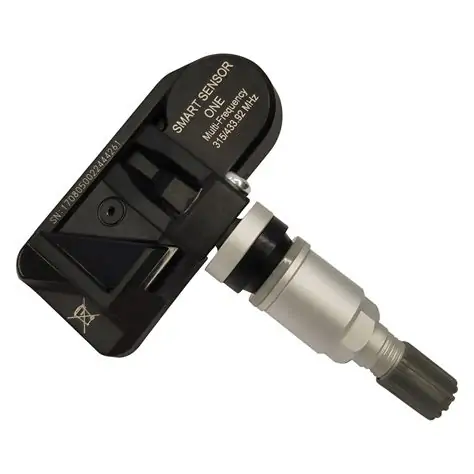
A TPMS (Tire Pressure Monitoring System) sensor is an essential component in modern vehicles, including RAM trucks. These sensors are designed to monitor the air pressure in the tires and provide real-time information to the driver regarding tire health.
Specifically for RAM vehicles, a RAM TPMS sensor serves several crucial functions:
- Monitoring Tire Pressure: The sensor constantly checks the tire pressure, ensuring it is within the recommended range. This helps to maintain proper traction and fuel efficiency.
- Warning System: If the tire pressure drops below a specified level, the TPMS sensor triggers a warning light on the dashboard, alerting the driver to check the tires.
- Enhancing Safety: By ensuring that tires are adequately inflated, TPMS sensors contribute to overall vehicle safety, reducing the risk of blowouts or accidents.
TPMS sensors come in two main types: direct and indirect. Direct TPMS sensors measure the pressure directly inside each tire and transmit that information to the vehicle’s onboard computer. Indirect TPMS, on the other hand, calculates tire pressure based on wheel speed and requires periodic recalibration.
In summary, a RAM TPMS sensor is crucial for maintaining the performance and safety of RAM trucks. Understanding its function can help vehicle owners make informed decisions regarding tire maintenance and replacement.
Importance of TPMS sensors
TPMS (Tire Pressure Monitoring System) sensors are critical components in modern vehicles, including RAM trucks. They play a vital role in maintaining vehicle safety and performance. Below are some key reasons why TPMS sensors are important:
- Safety Enhancement: Proper tire pressure is crucial for safe driving. TPMS sensors alert the driver when tire pressures drop below the recommended levels, helping to prevent blowouts and potentially dangerous situations.
- Fuel Efficiency: Under-inflated tires increase rolling resistance, leading to higher fuel consumption. By ensuring that tires are properly inflated, TPMS sensors contribute to better fuel economy.
- Prolonged Tire Life: Maintaining the correct tire pressure helps in even tire wear, which can prolong the life of your tires. A TPMS sensor helps you keep an eye on tire conditions, reducing premature tire wear.
- Environmental Impact: Properly inflated tires lead to reduced emissions. A well-functioning TPMS sensor not only saves money but also contributes to a cleaner environment.
- Performance Optimization: Correct tire pressure ensures that your vehicle handles and performs as intended, enhancing overall driving experience.
In conclusion, the importance of TPMS sensors cannot be overstated. They are vital for ensuring safety, increasing fuel efficiency, prolonging tire life, reducing environmental impact, and optimizing vehicle performance. Regular checks and a functional TPMS sensor can save drivers money and ensure a smoother, safer ride.
How do TPMS sensors work?
The Tire Pressure Monitoring System (TPMS) plays a crucial role in vehicle safety and efficiency. Understanding how these sensors function is vital for every vehicle owner, especially those who drive RAM trucks. Below, we explore the working mechanism of RAM TPMS sensors in detail.
Types of TPMS Sensors
There are primarily two types of TPMS sensors:
- Direct TPMS: These sensors are mounted inside the tire and directly measure the air pressure. They send real-time data to the vehicle’s onboard computer.
- Indirect TPMS: Instead of measuring tire pressure directly, these sensors monitor the wheel speed to detect a loss of pressure based on changes in rotation speed.
Working Mechanism of Direct TPMS
The direct TPMS consists of a pressure sensor housed inside the tire that performs the following functions:
- Pressure Measurement: The sensor continuously measures the tire’s air pressure and temperature.
- Data Transmission: Information is transmitted wirelessly to the vehicle’s central computer unit (ECU) using radio frequency signals.
- Dashboard Alerts: If the tire pressure drops below a predefined threshold, the TPMS alerts the driver via a warning light on the dashboard.
Working Mechanism of Indirect TPMS
For the indirect TPMS, the process works slightly differently:
- Wheel Speed Monitoring: The system uses the vehicle’s anti-lock braking system (ABS) sensors to monitor the speed of each wheel.
- Calibration: When tire pressure drops, the affected tire rotates at a different speed compared to properly inflated tires. This discrepancy is detected by the system.
- Alerts: Similar to direct TPMS, once a significant difference is detected, the system triggers a warning to alert the driver.
Why It Matters
Understanding how TPMS sensors work not only helps in maintaining your RAM truck but also enhances your driving safety by ensuring optimal tire pressure. Properly functioning TPMS sensors can:
- Improve fuel efficiency
- Extend tire lifespan
- Enhance vehicle stability and handling
In summary, whether equipped with direct or indirect TPMS, RAM trucks utilize advanced technology to monitor tire pressure, ultimately ensuring a safer driving experience.
Benefits of using RAM TPMS sensors
When it comes to ensuring the safety and efficiency of your vehicle, RAM TPMS sensors play a crucial role. These sensors not only help monitor tire pressure but also come with a myriad of benefits that can enhance your driving experience.
- Improved Safety: One of the primary benefits of using RAM TPMS sensors is enhanced safety. Proper tire pressure is essential for optimal vehicle handling. By monitoring tire pressure in real-time, these sensors help prevent blowouts caused by under-inflated tires.
- Increased Fuel Efficiency: Maintaining the correct tire pressure can significantly improve your vehicle’s fuel efficiency. RAM TPMS sensors alert you when tire pressure is low, allowing you to inflate your tires to the recommended levels, thus saving on fuel costs.
- Prolonged Tire Life: Under-inflated or over-inflated tires can lead to uneven tread wear. Using RAM TPMS sensors helps in maintaining the right tire pressure, extending the life of your tires and reducing the frequency of replacements.
- Cost Savings: The longevity of your tires and improved fuel economy lead to significant savings over time. With RAM TPMS sensors, you can avoid costly repairs and extend the life of your vehicle components.
- Convenience: Many new RAM vehicles come equipped with advanced TPMS sensors that seamlessly integrate with your vehicle’s dashboard monitoring system, providing real-time updates without the need to manually check tire pressure.
- Environmentally Friendly: By ensuring your tires are properly inflated, RAM TPMS sensors contribute to reduced carbon emissions, as a well-maintained vehicle consumes less fuel and operates more efficiently.
In summary, the use of RAM TPMS sensors offers a wide array of benefits, from safety enhancements to cost savings and environmental advantages. Investing in these sensors is a smart choice for any RAM vehicle owner looking to improve their driving experience.
Choosing the right TPMS sensor for your RAM
When it comes to maintaining your RAM vehicle, one crucial element to consider is the TPMS sensor (Tire Pressure Monitoring System). Ensuring that you choose the right TPMS sensor is essential for optimal performance, safety, and fuel efficiency. Below, we discuss important factors to consider when selecting the right TPMS sensor for your RAM.
Factors to Consider
- Compatibility: It’s vital to ensure that the TPMS sensor you select is compatible with your specific RAM model. Different models may require specific sensors, so always refer to your vehicle’s manual.
- Frequency: Most TPMS sensors operate at either 315 MHz or 433 MHz frequencies. Make sure the sensor you choose matches the frequency of your vehicle’s existing system.
- Programmability: Some TPMS sensors come with programming capabilities that allow them to be easily integrated into your RAM’s existing system. Choose a sensor that can be programmed if you plan to install it yourself.
- Durability: Look for TPMS sensors that are built to withstand extreme conditions—temperature fluctuations, road conditions, and wear and tear. A durable sensor will save you time and money in the long run.
- Battery Life: The lifespan of the sensor’s battery is an important consideration. Some sensors can last up to 10 years, while others may need replacement more frequently. Consider a sensor that offers a longer battery life for less maintenance.
Aftermarket vs. OEM Sensors
When choosing a TPMS sensor for your RAM, you typically have two options: Aftermarket and OEM (Original Equipment Manufacturer). Here’s a quick comparison:
| Feature | Aftermarket | OEM |
|---|---|---|
| Cost | Generally lower | Higher due to brand authenticity |
| Quality | Varies significantly | Consistent and reliable |
| Warranty | Limited | Usually longer |
| Integration | May require additional programming | Direct integration with minimal hassle |
Installation
Choosing the right TPMS sensor also involves considering how you will install it. If you are not comfortable with DIY repair, opt for sensors that are easy to install or consult a professional mechanic. Ensure that the installation is done properly to avoid any potential issues.
Conclusion
Selecting the right TPMS sensor for your RAM is not just about choosing any product off the shelf. It’s essential to ensure compatibility, frequency matching, and select a sensor that meets your durability and reliability standards. By taking all these factors into account, you can ensure that your tire pressure monitoring system is functioning efficiently, contributing to your vehicle’s overall performance and safety.
Frequently Asked Questions
What is a RAM TPMS sensor?
A RAM TPMS (Tire Pressure Monitoring System) sensor is a device installed in the tires of RAM vehicles that monitors tire pressure and helps maintain optimal tire inflation.
How does the RAM TPMS sensor work?
The RAM TPMS sensor uses pressure and temperature data to monitor the tires. If the tire pressure falls below a certain level, the sensor sends a signal to the vehicle’s onboard computer, alerting the driver via a warning light.
Why is the RAM TPMS sensor important?
The RAM TPMS sensor is important for safety and efficiency. Proper tire pressure enhances fuel efficiency, improves tire life, and reduces the risk of tire blowouts or accidents.
What are the signs that a RAM TPMS sensor may be malfunctioning?
Signs of a malfunctioning RAM TPMS sensor include a constant warning light on the dashboard, inaccurate tire pressure readings, or the light blinking intermittently.
How do you reset a RAM TPMS sensor?
To reset a RAM TPMS sensor, you can typically use the vehicle’s onboard menu or settings. Alternatively, some vehicles require driving for a specific distance at speeds above 15 mph to reset the system automatically.
Can you replace a RAM TPMS sensor yourself?
Yes, you can replace a RAM TPMS sensor yourself if you have the right tools and knowledge. However, it is recommended to consult a professional if you are not confident in doing it.
How much does it cost to replace a RAM TPMS sensor?
The cost to replace a RAM TPMS sensor varies, but it typically ranges from $50 to $150 per sensor, not including labor costs if you choose to have a professional do the installation.