
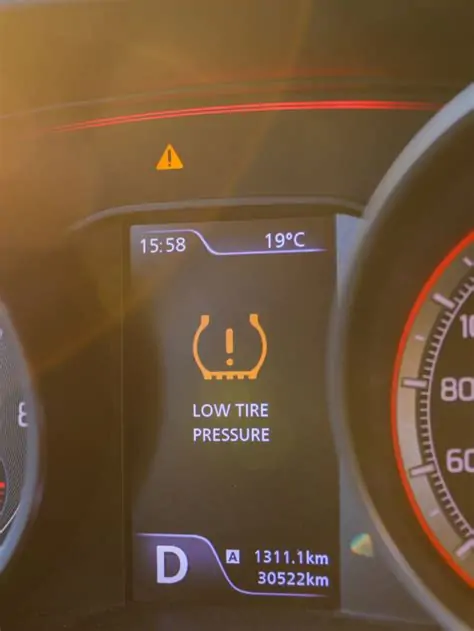
Discover the importance of TPMS sensors, common issues causing their light to activate, and effective solutions for maintenance and prevention.Having a functional Tire Pressure Monitoring System (TPMS) is crucial for ensuring your vehicle’s safety and performance. While replacing a faulty TPMS sensor can seem like a straightforward solution to that pesky dashboard warning light, many drivers still find themselves perplexed when it remains illuminated even after replacement. This blog post aims to unravel the complexities of TPMS sensors, exploring why the sensor light might still be on after a replacement, the potential impacts of a malfunctioning system, and the steps you can take to address the issue. Additionally, we’ll discuss preventative measures to keep your TPMS in optimal condition, helping you drive with confidence knowing your tire health is monitored effectively. Let’s dive in!
Understanding TPMS Sensor
The Tire Pressure Monitoring System (TPMS) is an essential component in modern vehicles, designed to monitor the air pressure in your tires. This system ensures that your tires are inflated to the recommended levels for optimum safety, fuel efficiency, and tire longevity.
There are two main types of TPMS:
- Direct TPMS: This system uses sensors mounted directly on the valve stems of each tire, measuring the air pressure in real-time. If the pressure drops below the manufacturer’s specifications, the system triggers a warning light on the dashboard.
- Indirect TPMS: This system does not have direct sensors in the tires but instead uses the vehicle’s ABS (Anti-lock Braking System) wheel speed sensors to detect significant changes in tire pressure. If a tire is under-inflated, it will rotate more quickly than the other properly inflated tires, triggering a warning signal.
It’s crucial to understand how the TPMS works to maintain vehicle safety and performance. A functioning TPMS can help prevent accidents caused by tire blowouts due to under-inflation. It also promotes better fuel efficiency and extends the lifespan of your tires.
When the TPMS light turns on, it’s an indication that one or more tires may be under-inflated. Regular maintenance checks and being mindful of changes in driving conditions can help keep the system functioning effectively.
For your reference, here’s a brief overview of the functions of TPMS:
| Function | Description |
|---|---|
| Pressure Monitoring | Continuously checks tire air pressure. |
| Warning Signal | Alerts the driver when tire pressure is low. |
| Data Transmission | Communicates real-time data to the vehicle’s onboard computer. |
Understanding the TPMS not only keeps you informed about your vehicle’s health but also empowers you to take timely actions in case of a warning signal. Remember, maintaining proper tire pressure is not just about compliance; it’s about ensuring your safety on the road.
Reasons for Sensor Light On
The TPMS (Tire Pressure Monitoring System) is an essential feature in modern vehicles that helps ensure the safety and performance of tires. When the TPMS sensor light illuminates on your dashboard, it can signify several underlying issues. Understanding these reasons is crucial for maintaining your vehicle’s health. Here are some common causes for the sensor light to be on:
- Low Tire Pressure: The most frequent cause of the TPMS light turning on is simply that one or more tires are underinflated. This can happen due to temperature fluctuations, punctures, or slow leaks.
- High Tire Pressure: Conversely, if your tires are overinflated, the sensor will also trigger the light. It’s important to keep tire pressure within the manufacturer-recommended range.
- Faulty TPMS Sensors: If the sensors are malfunctioning due to age or damage, they might send incorrect signals, causing the light to turn on.
- TPMS Reset Required: After replacing tires or adjusting tire pressure, it’s often necessary to reset the TPMS. Failing to do so can keep the sensor light on.
- Temperature Changes: Significant temperature fluctuations can cause changes in tire pressure, which may trigger the TPMS light. For example, colder weather can lead to a drop in pressure.
- Battery Issues: Each TPMS sensor is equipped with a small battery that can deplete over time. A dead battery within the sensor can cause the light to stay on.
- Wheel Sensor Positioning: Improper installation of a TPMS sensor during tire replacement or rotation can also lead to it being triggered incorrectly.
It’s vital to diagnose the specific reason for the TPMS light being activated. Ignoring it could lead to unsafe driving conditions. Always consult a professional if you are uncertain about the right course of action.
Impact of TPMS Sensor Malfunction
The Tire Pressure Monitoring System (TPMS) is a crucial feature in modern vehicles, designed to monitor the air pressure in your tires. A malfunctioning TPMS can lead to serious consequences that affect your safety, vehicle performance, and overall driving experience. Below are some of the major impacts of a TPMS sensor malfunction:
- Increased Risk of Tire Blowouts: When the TPMS is not functioning correctly, it may fail to alert you about low tire pressure, increasing the risk of a tire blowout. This can lead to loss of vehicle control and potential accidents.
- Decreased Fuel Efficiency: Under-inflated tires create higher rolling resistance, which can cause your vehicle to consume more fuel. A malfunctioning TPMS will prevent you from receiving timely alerts to adjust tire pressures, leading to reduced fuel efficiency and increased expenses.
- Uneven Tire Wear: Proper tire pressure is essential for even tire wear. A faulty TPMS may contribute to the uneven wear of tires, resulting in premature tire replacement and higher costs for you over time.
- Compromised Vehicle Handling: Properly inflated tires contribute to optimal vehicle handling and performance. A malfunctioning TPMS can cause incorrect air pressure levels, leading to poor handling, longer stopping distances, and compromised vehicle stability.
- Potential Safety Hazards: Without functional monitoring, the driver may remain unaware of tire issues until they become severe, making driving potentially dangerous. This is particularly true under adverse weather conditions where tire performance is even more critical.
Overall, the impacts of a TPMS sensor malfunction can be far-reaching. It not only affects individual driving experiences but can also contribute to broader safety issues on the roads. Regular maintenance and timely replacements of your TPMS sensors are vital to ensuring a safe and efficient driving experience.
Solving TPMS Sensor Light
The TPMS (Tire Pressure Monitoring System) is an essential safety feature in modern vehicles, designed to alert drivers when tire pressure falls below a certain threshold. However, there are instances where the TPMS sensor light remains illuminated even after you have replaced a faulty sensor. Understanding how to troubleshoot and solve this issue is crucial for ensuring safe driving conditions.
Common Reasons for the TPMS Light Staying On
- Faulty Sensor Installation: If the new sensor was not installed correctly, it could cause the light to remain on.
- Incompatible Sensors: Using sensors that are not compatible with your vehicle’s TPMS system may lead to continued warning lights.
- Tire Rotation or Replacement: If the tires have been rotated or replaced, the TPMS may require a reset to recognize the new tire positions.
- Low Tire Pressure: After a sensor replacement, check to ensure that all tires are at the correct pressure. Low tire pressure in any tire can trigger the light.
- Battery Issues: Some TPMS sensors are battery-operated. If the battery within the sensor is dead or low, the sensor might fail to operate correctly.
Steps to Resolve the Issue
Follow these steps to troubleshoot and resolve the issue of a TPMS sensor light that remains lit:
- Verify Sensor Installation: Double-check if the new sensor was properly seated and that all connections are secure.
- Inspect for Compatibility: Ensure that you are using the correct type of TPMS sensor for your vehicle model.
- Check Tire Pressure: Use a tire pressure gauge to confirm that all tires are inflated to the manufacturer’s recommended levels.
- Perform a TPMS Reset: Refer to your vehicle’s owner manual for instructions on how to reset the TPMS system.
- Utilize Diagnostic Tools: Employ an OBD-II scanner or TPMS diagnostic tool to read any error codes that may provide insight into the issue.
Intervention by Professionals
If you have tried the above steps and the TPMS sensor light still stays on, it may be time to consult a professional technician. They have specialized tools and expertise to diagnose more complex issues that might not be evident through standard troubleshooting methods.
Remember, maintaining proper tire pressure is not just about keeping the TPMS sensor light off; it’s crucial for your vehicle’s performance, fuel efficiency, and, most importantly, your safety on the road.
Preventative Measures for TPMS Sensors
Maintaining your vehicle’s TPMS (Tire Pressure Monitoring System) is crucial not just for safety, but also for enhancing fuel efficiency and extending the lifespan of your tires. Here are some effective preventative measures you can take to ensure your TPMS functions properly:
- Regular Tire Pressure Checks: Ensure that you check your tire pressure monthly, especially before long trips. Tire pressure can change with temperature fluctuations, so it’s important to keep your tires inflated to the manufacturer’s recommended levels.
- Visual Inspections: Frequently inspect your tires for any visible signs of damage or irregular wear. Look for cuts, bulges, or anything unusual that could indicate a tire issue.
- Proper Tire Rotation: Follow your vehicle manufacturer’s recommendations for tire rotation to ensure even wear and tear on your tires, which is vital for maintaining the accuracy of the TPMS.
- TPMS Recalibration: After changing tires or if you’ve experienced tire rotation, recalibrating your TPMS is essential to ensure it accurately reflects the current state of your tires.
- Battery Replacement: Many TPMS sensors are powered by batteries that typically last 5-10 years. Be proactive and replace your TPMS sensors along with your tires or during routine maintenance to avoid sensor failure.
By incorporating these preventative measures, you can help ensure that your TPMS remains functional and effective, providing you with timely alerts about your tire conditions.
Frequently Asked Questions
What does it mean if the TPMS light is still on after replacing the sensor?
If the TPMS light is still on after replacing the sensor, it may indicate a fault in the sensor itself, an issue with the vehicle’s monitoring system, or that the new sensor was not properly programmed or calibrated.
Are there any additional steps to take after replacing a TPMS sensor?
Yes, after replacing a TPMS sensor, you should reset the TPMS system using a diagnostic tool or by following the vehicle’s manual reset procedure. This allows the system to recognize the new sensor.
Can a low tire pressure cause the TPMS light to stay on?
Absolutely. If one or more tires have low pressure, the TPMS light will illuminate. Make sure to check all tire pressures and inflate them to the recommended levels.
Why might the TPMS light come on sporadically after sensor replacement?
The TPMS light may come on sporadically due to intermittent communication issues between the sensor and the vehicle’s computer, a weak battery in the sensor, or environmental factors affecting the signal.
What should I do if the TPMS light remains on after troubleshooting?
If the TPMS light remains on after troubleshooting, it is advisable to consult a qualified mechanic or tire specialist to diagnose the issue further.
How can I tell if the TPMS sensor is functioning properly?
You can use a TPMS scan tool to check if the sensor is transmitting data correctly. Additionally, a functioning sensor should show accurate tire pressure readings on the dashboard.
What is the average lifespan of a TPMS sensor?
The average lifespan of a TPMS sensor is typically between 5 to 10 years, depending on driving conditions and maintenance. Regular checks and timely replacements can help avoid potential issues.