
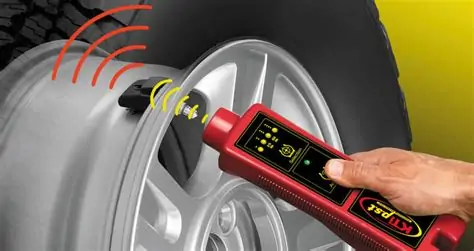
Learn about TPMS sensors: their function, importance, common issues, and maintenance tips for optimal vehicle safety and performance.When it comes to vehicle safety and maintenance, few components play as crucial a role as the Tire Pressure Monitoring System (TPMS) sensor. This innovative device not only enhances driving safety but also helps in optimizing fuel efficiency. In this blog post, we’ll delve into the fundamentals of TPMS sensors, starting with what they are and how they operate. We’ll explore their importance in safeguarding you against tire-related issues and highlight common problems drivers might encounter. Additionally, we’ll provide practical tips on maintaining your TPMS sensor to ensure it functions effectively. Whether you’re a seasoned car enthusiast or a casual driver, understanding these facets of TPMS sensors can significantly elevate your driving experience and vehicle reliability. Join us as we uncover the vital role that these sensors play in modern automotive safety.
What is a TPMS sensor?
A Tire Pressure Monitoring System (TPMS) sensor is a crucial component in modern vehicles that helps monitor the air pressure within tires. The main purpose of a TPMS sensor is to provide real-time data regarding tire pressure to ensure that drivers are aware of any underinflation or overinflation in their tires, which can significantly impact vehicle safety and performance.
There are two primary types of TPMS sensors:
- Direct TPMS: This system uses sensors located inside each tire that measure the tire’s pressure directly. The data is then transmitted to the vehicle’s onboard computer, providing real-time updates.
- Indirect TPMS: This system does not use physical sensors but instead relies on the vehicle’s anti-lock braking system (ABS) to monitor tire rotations. When a tire is under-inflated, it rotates at a different speed than properly inflated tires, triggering a warning light.
By constantly tracking tire pressure, the TPMS sensor serves multiple purposes:
- It enhances safety by alerting drivers to low tire pressure, reducing the risk of blowouts.
- It improves fuel efficiency, as properly inflated tires allow for better gas mileage.
- It extends tire lifespan by preventing irregular wear caused by incorrect tire pressures.
In summary, the TPMS sensor is a vital safety feature that helps ensure optimal tire performance, comfort, and safety on the road.
How does a TPMS sensor work?
A Tire Pressure Monitoring System (TPMS) sensor is an essential component in modern vehicles, designed to monitor the air pressure in your tires. Understanding how these sensors operate is crucial for maintaining optimal tire performance and safety.
There are two main types of TPMS systems: direct and indirect.
| Type | Description |
|---|---|
| Direct TPMS | Uses sensors installed inside each tire to measure the actual air pressure. The information is sent wirelessly to the vehicle’s onboard computer, which then relays it to the driver. |
| Indirect TPMS | Instead of measuring pressure directly, it relies on the vehicle’s wheel speed sensors to detect variations in tire rotation. A drop in tire pressure will cause the affected tire to rotate faster than the others, triggering a warning. |
How Direct TPMS Works
In a direct TPMS, each tire is equipped with its own individual sensor, usually positioned on the valve stem. These sensors monitor the tire pressure and temperature continuously. If the pressure drops below a preset threshold, the system triggers a warning light on the dashboard. The internal components of the sensor include:
- Pressure Sensor: Monitors the air pressure within the tire.
- Temperature Sensor: Checks for changes in tire temperature that might indicate pressure issues.
- Transmitter: Sends data wirelessly to the vehicle’s receiver.
How Indirect TPMS Works
For an indirect TPMS, the system utilizes ABS (Anti-lock Braking System) wheel speed sensors to monitor the rotational speed of each tire. If a tire is under-inflated, it will rotate faster compared to those which are properly inflated. The system is calibrated to recognize when the difference exceeds a certain limit, indicating a potential flat tire.
Moreover, indirect systems may need to be recalibrated each time the tires are rotated or replaced, as they do not provide real-time pressure readings like direct sensors.
Summary
In summary, whether direct or indirect, understanding how a TPMS sensor works is invaluable for ensuring your vehicle’s safety. Regular checks and maintenance of your TPMS can lead to enhanced tire performance, longer tire life, and most importantly, safer driving conditions.
Why is a TPMS sensor important?
A Tire Pressure Monitoring System (TPMS) sensor plays a critical role in ensuring vehicle safety and efficiency. Here’s why a TPMS sensor is important:
- Safety: Maintaining proper tire pressure is crucial for safe driving. A TPMS sensor alerts drivers to underinflated or overinflated tires, reducing the risk of blowouts and accidents.
- Fuel Efficiency: Properly inflated tires improve fuel efficiency. Underinflated tires create more rolling resistance, forcing the engine to work harder and consume more fuel.
- Tire Longevity: Consistently monitoring tire pressure can extend tire lifespan. Over time, improperly inflated tires can lead to uneven wear and tear, requiring earlier replacement.
- Environmental Impact: Increased fuel efficiency and reduced tire wear translate to fewer emissions. This makes TPMS sensors an eco-friendly solution for vehicle owners.
- Legal Requirements: In many regions, vehicles are required by law to have a functioning TPMS. Non-compliance can result in penalties or fines during inspections.
In summary, a TPMS sensor is important not only for the safety of the driver and passengers but also for optimizing vehicle performance and contributing to environmental sustainability.
Common TPMS sensor issues
The Tire Pressure Monitoring System (TPMS) is crucial for ensuring vehicle safety and efficiency. However, like any technology, it can encounter various issues that compromise its effectiveness. Below, we discuss some of the most common TPMS sensor issues that drivers may face.
1. Faulty Sensors
One of the most prevalent issues with TPMS sensors is faultiness. Sensors can become damaged due to impacts, wear and tear, or exposure to harsh weather conditions. In such cases, the TPMS warning light may illuminate on the dashboard, indicating a malfunction.
2. Low Battery
TPMS sensors are usually equipped with batteries that have a limited lifespan. A dying battery will lead to inaccurate readings or a non-functional sensor. It’s essential to replace the battery when necessary to avoid potential issues.
3. Incorrect Tire Pressure Calibration
If tire pressures are not calibrated correctly, the TPMS may provide false readings. It’s important to regularly check and adjust tire pressures, ensuring they meet the manufacturer’s specifications.
4. Damaged Valve Stems
Valve stems can become cracked or damaged, leading to air leaks. This not only affects tire pressure but can also trigger the TPMS warning light. Regular inspections can help identify and mitigate these issues early.
5. Poor Sensor Installation
Improper installation of TPMS sensors can lead to unreliable performance. Ensure that sensors are installed by a qualified technician to avoid complications.
6. Environmental Factors
Extreme temperatures, humidity, and exposure to road salt can negatively impact sensor performance. Care should be taken to protect vehicles from such harsh elements whenever possible.
7. Interference from Other Electronic Devices
Sometimes, interference from other electronic devices in the vehicle can cause the TPMS to give inaccurate readings. Keeping electronic devices away from the sensor can reduce this problem.
8. Programming Issues
When tires are replaced, or the TPMS sensors are changed, they must be correctly programmed to the vehicle. Failure to do so may result in a malfunctioning system that fails to alert the driver about actual tire conditions.
By being aware of these common TPMS sensor issues, vehicle owners can take proactive steps to ensure their systems are functioning properly. Regular maintenance and checks can help avoid complications and promote safer driving.
How to maintain a TPMS sensor
Maintaining your TPMS sensor is crucial for ensuring optimal performance and safety of your vehicle. A well-functioning TPMS (Tire Pressure Monitoring System) helps you keep track of your tire pressures, thereby enhancing fuel efficiency and reducing the risk of tire blowouts. Below are some essential tips on how to maintain your TPMS sensor.
1. Regularly Check Tire Pressure
It is vital to regularly check your tire pressure using an accurate gauge. Follow these steps:
- Ensure the tires are cold when checking.
- Refer to your vehicle’s manual for the recommended pressure.
- Use a reliable tire pressure gauge to measure.
2. Inspect the TPMS System
Regular inspections can help catch any issues early. Look for:
- Warning lights on the dashboard.
- Corrosion or damage to the sensor valves.
- Check for any additional sensor error codes using an OBD-II scanner.
3. Replace Batteries as Needed
If your TPMS sensor uses a battery, you should:
- Monitor the lifespan of the battery. Most last between 5-10 years.
- Replace the battery if you notice a drop in performance or if the sensor warning light appears.
4. Ensure Proper Installation
If you ever change tires or perform maintenance, make sure:
- The sensors are properly reinstalled.
- They are mounted in the correct position.
5. Update System Software
Occasionally, check if your vehicle manufacturer offers any TPMS software updates. Keeping the system software up to date can improve sensor performance and reliability.
6. Avoid Tire Changes Without TPMS Recalibration
Whenever you change tires or rotate them, it’s important to recalibrate your TPMS sensor. This ensures that each sensor still corresponds accurately to its respective tire. Failure to do so may result in incorrect pressure readings.
7. Seek Professional Help When Necessary
If you encounter persistent issues such as false alarms or failure to read tire pressures, consult a qualified mechanic. They can conduct thorough diagnostics and fix any underlying problems.
By following these maintenance tips, you can ensure that your TPMS sensor remains functional and continues to provide accurate tire pressure readings, ultimately contributing to a safer driving experience.
Frequently Asked Questions
What is a TPMS sensor?
A TPMS (Tire Pressure Monitoring System) sensor is a device that monitors the air pressure in a vehicle’s tires and alerts the driver if the pressure falls below a certain threshold.
How do I know if my TPMS sensor is working?
You can check the TPMS sensor’s functionality by observing the dashboard warning light. If the light is illuminated while the tires are properly inflated, the sensor may need testing or replacement.
What are the common symptoms of a faulty TPMS sensor?
Common symptoms include a persistent warning light on the dashboard, inconsistent tire pressure readings, and increased tire wear.
How do I test a TPMS sensor?
To test a TPMS sensor, you can use a TPMS diagnostic tool that connects to the vehicle’s onboard computer or manually check tire pressures and reset the system.
Can I reset the TPMS sensor myself?
Yes, many vehicles allow you to reset the TPMS system yourself through a menu option in the dashboard settings or by following a specific procedure outlined in the owner’s manual.
What should I do if my TPMS sensor is defective?
If your TPMS sensor is defective, it will generally need to be replaced. It’s recommended to consult a professional mechanic for accurate diagnosis and repair.
How often should TPMS sensors be checked?
TPMS sensors should be checked during regular vehicle maintenance, and it’s advisable to have them inspected when changing tires or if you notice any warning signs.