
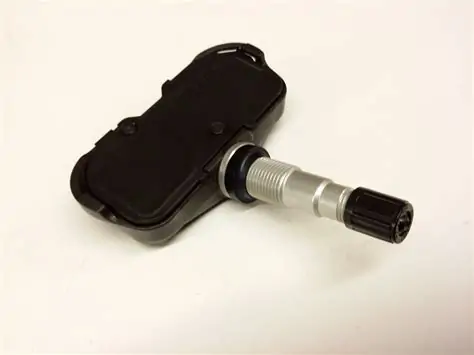
Learn about TPMS sensors in Toyota Prius, their importance, common issues, replacement process, and associated costs for a smoother driving experience.The Toyota Prius has long been celebrated for its efficiency and reliability, but like any vehicle, it requires proper maintenance to ensure optimal performance. One crucial component of this maintenance is the Tire Pressure Monitoring System (TPMS) sensor, which plays a significant role in monitoring tire pressure and enhancing safety on the road. By understanding what a TPMS sensor is and its importance in your Prius, you can stay ahead of common issues that may arise. This blog post will delve into the functionality of the TPMS sensor, identify prevalent problems, and guide you through the process of replacement, including the associated costs. Whether you’re a seasoned Prius owner or new to the hybrid world, being informed about your vehicle’s TPMS sensor can help you maintain its longevity and performance.
What is a TPMS sensor?
A TPMS (Tire Pressure Monitoring System) sensor is an essential component in modern vehicles designed to monitor the air pressure inside the tires. This system plays a vital role in ensuring safe driving conditions and enhancing fuel efficiency. The TPMS sensor communicates with the vehicle’s onboard computer and alerts the driver if the tire pressure falls below a specified threshold, often leading to warning lights on the dashboard.
There are two main types of TPMS sensors:
- Direct TPMS: These sensors measure the actual pressure in each tire and typically use a radio frequency to transmit data to the vehicle. They provide real-time readings and are more accurate in monitoring tire pressure.
- Indirect TPMS: This system does not measure tire pressure directly. Instead, it uses the vehicle’s ABS (Anti-lock Braking System) sensors to infer tire pressure based on wheel speed. If a tire is underinflated, its diameter will decrease, leading to a discrepancy in wheel speed.
Understanding what a TPMS sensor is can significantly impact your vehicle’s performance and safety. Properly functioning sensors can help prevent blowouts, improve fuel efficiency, and extend tire life by ensuring optimal pressure levels.
Maintaining correct tire pressure is crucial not only for vehicle safety but also for overall driving comfort. – Automotive Safety Expert
Importance of TPMS in Toyota Prius
The Tire Pressure Monitoring System (TPMS) is an essential feature in modern vehicles, particularly in the Toyota Prius. This system plays a crucial role in ensuring safety and efficiency by constantly monitoring the air pressure in your tires. Here are several key reasons why the TPMS is significant for the Toyota Prius:
- Enhanced Safety: Proper tire pressure is vital for the safe operation of your vehicle. The TPMS alerts drivers when tire pressure falls below recommended levels, helping to prevent blowouts and accidents.
- Improved Fuel Efficiency: The Toyota Prius is known for its fuel efficiency. Under-inflated tires can lead to increased rolling resistance, which negatively impacts fuel economy. With a functioning TPMS, you can maintain optimal tire pressure and maximize your Prius’s gas mileage.
- Extended Tire Life: Keeping your tires inflated to the correct pressure can significantly prolong their lifespan. The TPMS helps you stay informed about tire conditions, ensuring that you replace or repair tires before excessive wear occurs.
- Convenience: The TPMS provides peace of mind. With real-time monitoring, drivers are less likely to experience the inconvenience of sudden tire failures during their journeys.
In summary, the importance of the TPMS in the Toyota Prius cannot be overstated. It contributes to safety, efficiency, and overall performance of the vehicle, making it an indispensable feature for all drivers.
Common TPMS sensor issues
The TPMS sensor (Tire Pressure Monitoring System) in your Toyota Prius plays a critical role in maintaining your vehicle’s safety and efficiency. However, like any component, these sensors can encounter issues that may compromise their functionality. Below are some of the most common problems associated with TPMS sensors.
| Issue | Description |
|---|---|
| Dead Battery | The batteries in TPMS sensors typically last between 5-10 years. A dead battery can lead to the sensor becoming non-functional. |
| Sensor Damage | Sensors can get damaged from hitting potholes or curbing. This can lead to inaccurate readings or complete sensor failure. |
| Improper Installation | If TPMS sensors are not installed correctly during tire replacement or rotation, they may not function as intended. |
| Faulty Wiring | Wiring issues or connection problems can prevent the TPMS from sending accurate readings to the vehicle’s computer system. |
| Incorrect Tire Pressure | While not a sensor issue per se, having the wrong tire pressure can cause the TPMS to activate, signaling a potential problem. |
It’s essential to be aware of these issues so you can address them promptly. A malfunctioning TPMS can not only affect your Toyota Prius’s performance but also risk your safety on the road.
“Neglecting your TPMS can lead to more significant problems over time, so stay vigilant!”
Replacing TPMS sensor in Toyota Prius
The Tire Pressure Monitoring System (TPMS) is an essential component in ensuring the safety and efficiency of your Toyota Prius. If you find yourself needing to replace the TPMS sensor, it’s crucial to understand the process and considerations involved.
Here’s a comprehensive look at how to replace the TPMS sensor in a Toyota Prius:
Steps to Replace TPMS Sensor
- Gather Required Tools: Before you start, make sure you have the necessary tools:
- Jack and jack stands
- Tire iron
- Screwdrivers
- Torque wrench
- New TPMS sensors
- Lift the Vehicle: Use the jack to lift your Prius. Secure it with jack stands for safety.
- Remove the Tire: Use the tire iron to loosen and remove the lug nuts, then take off the tire to access the TPMS sensor.
- Locate the TPMS Sensor: The TPMS sensor is usually mounted inside the tire on the wheel rim. Look for it at the valve stem.
- Remove the Old Sensor: Disconnect the sensor from the valve stem by unscrewing it carefully. Make sure to also disconnect any wires if present.
- Install the New Sensor: Attach the new TPMS sensor to the valve stem. Tighten it securely to prevent any air leaks.
- Replace the Tire: Put the tire back on, securing it with the lug nuts. Make sure to follow the recommended torque specifications.
- Lower the Vehicle: Carefully remove the jack stands and lower the vehicle back to the ground.
- Recheck Tire Pressure: After replacing the sensor, ensure the tire pressure is at the recommended levels.
When to Seek Professional Help
If you feel uncomfortable performing the replacement yourself, or if you encounter any complications, it’s always wise to consult with a professional mechanic. A qualified technician can also ensure that the TPMS is properly calibrated after installation.
After Replacement Maintenance
After replacing the TPMS sensor, it’s essential to monitor the tire pressure regularly. This helps in maintaining optimal performance and ensures that the warning lights are functioning correctly.
Replacing the TPMS sensor can greatly improve the safety of your Toyota Prius, ensuring that you’re alerted to any significant tire pressure changes and can drive with confidence.
Cost of TPMS sensor replacement
Replacing a TPMS sensor in your Toyota Prius can be a significant consideration for car maintenance. The Tire Pressure Monitoring System (TPMS) is essential for ensuring vehicle safety and optimal performance. When these sensors fail, understanding the cost of replacement is crucial.
Factors Influencing the Cost
- Brand and Model: The specific model of TPMS sensor can vary in price, with genuine parts often costing more than aftermarket alternatives.
- Labor Costs: If you choose to have a professional replace the sensor, labor costs can vary based on the mechanic’s hourly rate and location.
- Number of Sensors: A Toyota Prius typically has four sensors. Replacing all at once can sometimes provide cost savings over individual replacements.
- Additional Services: Sometimes, technicians may recommend additional services, such as tire rotation or balancing, which can add to the overall cost.
Estimated Costs
Here’s a breakdown of the estimated costs associated with replacing the TPMS sensor:
| Component | Estimated Cost |
|---|---|
| TPMS Sensor (Per Sensor) | $50 – $100 |
| Labor Costs | $50 – $100 |
| Total for Four Sensors | $400 – $800 |
Additional Considerations
When you’re budgeting for a TPMS sensor replacement, consider the following:
It’s always a good idea to consult with your local dealer or trusted mechanic to get a detailed estimate based on your specific needs.
Keeping your Toyota Prius in excellent condition is vital for performance and safety. By understanding the potential costs involved with TPMS sensor replacements, you can make informed decisions that fit your budget.
Frequently Asked Questions
What is the TPMS sensor in a Toyota Prius?
The TPMS (Tire Pressure Monitoring System) sensor in a Toyota Prius is a safety feature that monitors the air pressure in the tires to help ensure optimal performance and safety.
How does the TPMS sensor work in a Toyota Prius?
The TPMS sensor uses pressure sensors located in each tire to detect changes in air pressure. When the pressure falls below a certain level, the system triggers a warning light on the dashboard.
Why is it important to maintain the TPMS sensor in a Toyota Prius?
Maintaining the TPMS sensor is crucial for safety, fuel efficiency, and tire longevity. Proper tire pressure minimizes the risk of tire blowouts and enhances vehicle stability.
What are common signs that the TPMS sensor may be malfunctioning in a Toyota Prius?
Common signs include the TPMS warning light staying on, fluctuating tire pressure readings, or the light blinking intermittently, which may indicate a need for sensor replacement.
Can I reset the TPMS sensor in my Toyota Prius myself?
Yes, you can typically reset the TPMS sensor by following the owner’s manual instructions, which usually involve turning the ignition on and pressing the TPMS reset button.
How often should I check the TPMS system in my Toyota Prius?
It’s advisable to check the TPMS system at least once a month, especially before long trips, to ensure that the tire pressure remains within the recommended range.
What should I do if the TPMS warning light remains on after resetting?
If the TPMS warning light remains on after resetting, it may indicate a malfunctioning sensor or an underlying tire issue. It’s recommended to have the vehicle inspected by a qualified technician.