
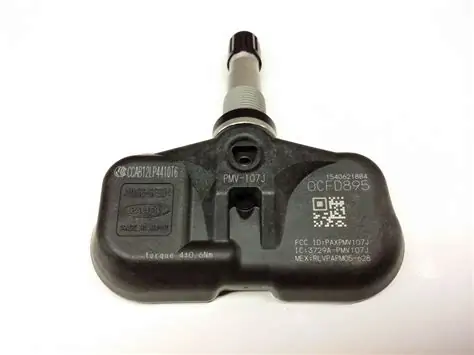
Discover the role and importance of TPMS sensors in vehicles, their functions, common issues, and guidelines for replacing them effectively.When it comes to vehicle safety and maintenance, the Tire Pressure Monitoring System (TPMS) sensor in your Toyota RAV4 plays a vital role. This small but crucial component continuously monitors tire pressure, alerting drivers to any issues that may arise. Understanding the TPMS sensor is essential for every RAV4 owner, as it not only enhances safety but can also improve fuel efficiency and prolong tire life. In this blog post, we will explore what a TPMS sensor is, the importance of having a functional system in your vehicle, its key functions, common issues that may occur, and the steps required for replacement. Whether you’re a seasoned driver or a new owner, knowing the ins and outs of the TPMS can help you keep your RAV4 running smoothly and safely on the road.
What is a TPMS Sensor?
A TPMS sensor, or Tire Pressure Monitoring System sensor, is a crucial component in modern vehicles, including the popular Toyota RAV4. These sensors are designed to monitor the air pressure inside each tire, ensuring that they are inflated to the manufacturer-recommended levels.
Utilizing a combination of sensor technology and real-time data transmission, TPMS sensors play a vital role in maintaining the safety and performance of your vehicle. Here’s how they work:
- Pressure Monitoring: Each TPMS sensor actively checks the air pressure in the tires and sends this information to the vehicle’s onboard computer.
- Warning Alerts: If any tire’s pressure falls below the optimal threshold, the system triggers a warning light on the dashboard, prompting the driver to take action.
- Temperature Detection: Many TPMS sensors also monitor tire temperature, as fluctuations can indicate potential issues.
In the case of the Toyota RAV4, the TPMS is an integral part of the vehicle’s safety features, helping to prevent tire blowouts and enhancing fuel efficiency through proper tire inflation.
The implementation of TPMS was mandated in many countries as a preventive measure against accidents arising from under-inflated tires, making it an essential feature in vehicles like the Toyota RAV4.
Importance of TPMS in Vehicles
The Tire Pressure Monitoring System (TPMS) plays a crucial role in maintaining the safety and efficiency of vehicles. Understanding the importance of TPMS in vehicles helps drivers make informed decisions about their tire maintenance and overall vehicle care.
Enhanced Safety
One of the primary functions of a TPMS is to enhance vehicle safety. Proper tire pressure is essential for:
- Improved traction during wet or slippery conditions
- Better braking performance
- Reducing the risk of blowouts
By providing real-time updates on tire pressure, drivers can address issues before they lead to dangerous driving conditions.
Fuel Efficiency
Maintaining the right tire pressure also plays a significant role in vehicle fuel efficiency. Under-inflated tires can lead to:
- Increased rolling resistance
- Higher fuel consumption
A properly functioning TPMS alerts drivers when tire pressure is too low, which can help save money on fuel costs over time.
Prolonging Tire Life
Regular monitoring of tire pressure can prolong the life of your tires. Here’s how:
- Correct tire pressure minimizes uneven wear on tires.
- It helps maintain optimal tread depth, which is vital for tire performance.
By using a TPMS, drivers can maximize their tire investment and minimize the frequency of tire replacements.
Compliance with Regulations
In many regions, vehicles must comply with safety regulations that mandate the inclusion of a TPMS. This ensures that all drivers adhere to safety standards, benefiting the entire road community.
In conclusion, the importance of TPMS in vehicles cannot be overstated. It is vital for ensuring safety, enhancing fuel efficiency, prolonging tire life, and meeting regulatory requirements. Always keep an eye on your TPMS alerts to maintain your vehicle’s performance and safety.
Functions of TPMS Sensor
The Tire Pressure Monitoring System (TPMS) sensor plays a crucial role in ensuring the safety and performance of vehicles like the Toyota RAV4. Understanding its functions is essential for any vehicle owner. Here are the primary functions of a TPMS sensor:
- Real-time Monitoring: The TPMS sensor continuously monitors the air pressure of each tire, providing real-time data to the driver.
- Alerts for Low Pressure: If a tire’s pressure drops below the recommended level, the sensor triggers a warning light on the dashboard, alerting the driver to check the tire.
- Temperature Monitoring: Beyond just pressure, many TPMS sensors also monitor the temperature of the tire, which can be vital for safe driving.
- Enhanced Safety: By maintaining optimal tire pressure, the TPMS sensor contributes to vehicle stability and helps prevent tire blowouts, thereby enhancing overall safety.
- Improved Fuel Efficiency: Properly inflated tires reduce rolling resistance, leading to better fuel efficiency and cost savings in the long run.
Understanding these functions can help RAV4 owners appreciate the importance of their TPMS sensor and ensure they keep an eye on tire health for maximum vehicle performance.
| Function | Description |
|---|---|
| Real-time Monitoring | Continuously checks tire pressure and gives feedback. |
| Alerts for Low Pressure | Activates warning light for pressure that is too low. |
| Temperature Monitoring | Keeps track of tire temperature to prevent overheating. |
| Enhanced Safety | Helps prevent accidents caused by tire blowouts. |
| Improved Fuel Efficiency | Helps in maintaining better fuel economy by optimizing tire pressure. |
In summary, the TPMS sensor is an essential component in vehicles like the Toyota RAV4, focusing on safety, efficiency, and performance.
Common TPMS Sensor Issues
The Tire Pressure Monitoring System (TPMS) is an essential component in modern vehicles, including the Toyota RAV4. While these sensors are designed to enhance safety and fuel efficiency, they can sometimes encounter issues. Understanding these common problems can help you maintain your vehicle’s performance and safety. Below are some common TPMS sensor issues:
1. Faulty Sensors
One of the most prevalent issues is a faulty TPMS sensor. This can occur due to various reasons, including:
- Aging: Sensors can degrade over time.
- Exposure to moisture: Water can damage the internal components.
- Physical damage: Accidental hits or road debris can affect the sensor.
2. Battery Issues
TPMS sensors typically come with a built-in battery that has a limited lifespan. If the battery is dead, the sensor will not transmit data. This is often indicated by:
- Warning light on the dashboard
- Inconsistent pressure readings
3. Tire Rotation Confusion
When tires are rotated, the TPMS sensors may not recognize their new positions. This can lead to incorrect tire pressure readings. To resolve this, a professional TPMS reset may be needed.
4. Temperature Fluctuations
Extreme temperature changes can affect tire pressure. Consequently, these fluctuations may trigger the TPMS light even if the actual tire pressure is adequate. Always check the pressure manually during temperature extremes.
5. Interference from Other Devices
Nearby electronic devices or tools can interfere with TPMS signals. This could result in inaccurate readings, prompting unnecessary alerts on your dashboard.
6. Incorrect Installation
If your TPMS sensors were recently replaced or installed, improper installation could lead to malfunction. Ensure that a qualified technician handles the installation to avoid such problems.
Staying aware of these common TPMS sensor issues can help ensure that your Toyota RAV4 remains in optimal condition. Regular checks and maintenance can prevent these problems and contribute to safer driving experiences.
Replacing a TPMS Sensor
Replacing a TPMS sensor in your vehicle, such as the Toyota RAV4, is a straightforward process that can help maintain tire safety and performance. A malfunctioning sensor can lead to inaccurate readings, resulting in poor tire maintenance and potential hazards on the road. Below are the steps and important considerations for replacing a TPMS sensor.
Steps to Replace a TPMS Sensor
- Gather Tools and Materials:
- New TPMS sensor
- Tire pressure gauge
- Tire changing tools (jack, lug wrench)
- Socket set
- Locate the Tire Pressure Monitoring System:
The TPMS sensor is typically located inside the tire, attached to the valve stem. You’ll need to remove the tire to access it.
- Remove the Tire:
Use the jack to lift the car and remove the lug nuts with a lug wrench. Carefully take off the tire.
- Replace the TPMS Sensor:
Once the tire is off, you can see the TPMS sensor. Unscrew the old sensor and replace it with the new one. Be careful not to damage any components during this process.
- Reinstall the Tire:
Attach the tire back onto the vehicle and hand-tighten the lug nuts before lowering the car. Once the vehicle is back on the ground, use the lug wrench to ensure all nuts are securely fastened.
- Calibrate the TPMS:
After replacing the sensor, it’s important to calibrate the TPMS system. This can often be done through the vehicle’s onboard computer or a TPMS relearn tool.
- Check Tire Pressure:
Lastly, use a tire pressure gauge to ensure that your tires are inflated to the manufacturer’s recommended pressure. This information can usually be found on a sticker inside the driver’s door.
Considerations
- Sensor Compatibility: Make sure the new TPMS sensor is compatible with your specific model of Toyota RAV4.
- Sensor Activation: Some sensors may need activation after installation. Refer to the manufacturer’s instructions for details.
- Professional Help: If you’re not comfortable replacing the sensor yourself, consider seeking assistance from a professional mechanic.
By following these steps, you can ensure your Toyota RAV4 is equipped with a properly functioning TPMS sensor, providing accurate tire pressure readings and enhancing your driving safety.
Frequently Asked Questions
What is the purpose of the TPMS sensor in a Toyota RAV4?
The TPMS (Tire Pressure Monitoring System) sensor in a Toyota RAV4 monitors the tire pressure and alerts the driver if any tire is significantly under-inflated, helping to enhance safety and fuel efficiency.
How can I tell if my Toyota RAV4’s TPMS sensor is malfunctioning?
A malfunctioning TPMS sensor may show a warning light on the dashboard, fail to turn off after correcting tire pressure, or provide incorrect pressure readings. If you notice these symptoms, it’s best to have the system checked.
What should I do if the TPMS light comes on in my Toyota RAV4?
If the TPMS light comes on, first check the tire pressure in all tires, including the spare. If they are adequately inflated and the light remains on, consult the owner’s manual or take the vehicle to a qualified technician for further diagnosis.
Can I reset the TPMS sensor after changing a tire on my Toyota RAV4?
Yes, you can reset the TPMS sensor after changing a tire. Depending on your RAV4 model year, this may involve pressing the reset button or using a scan tool. Refer to the owner’s manual for specific instructions.
How often should I check the TPMS sensors on my Toyota RAV4?
It’s advisable to check the TPMS sensors regularly, particularly when changing seasons or before long trips. A monthly check of tire pressures can help ensure that the TPMS system operates correctly.
What causes TPMS sensors to fail in a Toyota RAV4?
TPMS sensor failure in a Toyota RAV4 can be caused by dead batteries, corrosion, physical damage, or issues related to tire rotation or changes. It’s essential to maintain the sensors and replace them as needed to ensure proper functionality.
Are TPMS sensors interchangeable between different Toyota RAV4 models?
No, TPMS sensors are generally not interchangeable between different Toyota RAV4 models or years due to varying specifications. Always check compatibility before purchasing replacement sensors.