
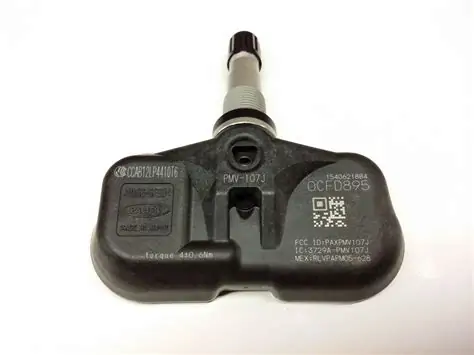
Discover everything about TPMS sensors, from common issues and reset methods to the importance of regular maintenance for optimal vehicle safety.If you own a Toyota Tacoma, you may have encountered the Tire Pressure Monitoring System (TPMS) light illuminating on your dashboard. This alert is vital for ensuring your vehicle’s safety and performance, as it reflects your tire pressure status. In this blog post, we will delve into the intricacies of TPMS sensors—what they are, common reasons for the warning light, and why timely resets are essential for your truck’s overall health. We’ll explore various methods for reset procedures and highlight the benefits of regular maintenance to keep your Tacoma running smoothly. Whether you’re a seasoned truck enthusiast or a first-time Tacoma owner, understanding how to manage your TPMS effectively will help you maintain optimal tire performance and safety on the road. Let’s get started!
Understanding TPMS Sensors
The Tire Pressure Monitoring System (TPMS) is an essential safety feature in modern vehicles, including the popular Toyota Tacoma. It is designed to monitor the air pressure in your tires and alert you if any tire is significantly under-inflated. Proper tire pressure is crucial for optimal vehicle performance, fuel efficiency, and safety.
There are two types of TPMS:
- Direct TPMS – This system uses sensors mounted on each tire that measure the actual tire pressure and send this data to the vehicle’s computer. If the pressure drops below a certain threshold, a warning light illuminates on the dashboard.
- Indirect TPMS – This system does not use actual pressure readings. Instead, it relies on the vehicle’s ABS (Anti-lock Braking System) sensors to detect changes in wheel speed that may be indicative of low tire pressure. If it senses a significant difference in the speed of the tires, it will trigger a warning light.
Understanding how your TPMS works is vital for maintaining tire health and ensuring safe driving conditions. Regularly checking your tire pressure and staying informed about your vehicle’s monitoring system will help you spot potential issues before they become serious hazards on the road.
The TPMS warning light serves as a proactive alert system, ensuring drivers can address tire inflation issues promptly. Ignoring this warning may lead to increased tire wear, decreased fuel efficiency, and compromised safety. Therefore, being aware of your TPMS functionality and heeding its warnings is essential for any Toyota Tacoma owner.
In summary, a well-functioning TPMS is a crucial component of vehicle safety, helping you to maintain the ideal driving conditions that keep you and your passengers safe on the road.
Common Reasons for TPMS Light
The Tire Pressure Monitoring System (TPMS) is a crucial safety feature in modern vehicles, including the Toyota Tacoma. When the TPMS light illuminates on your dashboard, it serves as a warning that something isn’t right with your tires. Here are some of the most common reasons why the TPMS light may be activated:
- Low Tire Pressure: This is the most common reason for the TPMS light to turn on. Tires can lose pressure due to natural air loss, punctures, or changes in temperature.
- Temperature Changes: A significant drop in temperature can cause the air inside tires to contract, leading to lower tire pressure and triggering the TPMS light.
- Sensor Malfunction: If the TPMS sensors themselves are malfunctioning or damaged, they may send incorrect signals to the vehicle’s computer, causing the TPMS light to activate.
- Faulty Wiring: Damaged or corroded wiring connecting the TPMS sensors to the vehicle’s main unit can also lead to issues and illuminate the TPMS light.
- Tire Replacement: If you’ve recently replaced or rotated your tires and didn’t reset the TPMS, the system may trigger the light to alert you of a potential mismatch.
Should your TPMS light come on, it is essential to check your tire pressures and inspect for any visible damage. Addressing these issues promptly not only ensures your safety but also maintains the performance of your Toyota Tacoma.
Importance of TPMS Sensor Reset
The Tire Pressure Monitoring System (TPMS) is an essential feature in modern vehicles, including the Toyota Tacoma. This system is designed to monitor the air pressure in the tires and provide real-time feedback to the driver. However, to ensure accurate readings and optimal performance, a TPMS sensor reset is crucial.
Here are several reasons why understanding the importance of a TPMS sensor reset is vital for your safety and vehicle maintenance:
- Accuracy in Tire Pressure Readings: When you change a tire or adjust tire pressure, it’s critical to reset the TPMS. Failing to do so may lead to inaccurate readings that could compromise your driving safety.
- Preventing Unexpected Warning Lights: A reset can help avoid the frustrating experience of having the TPMS light constantly illuminated, which occurs when the system is not functioning optimally.
- Extending Tire Life: By regularly resetting the TPMS and maintaining correct tire pressure, you reduce irregular tire wear, which can extend the lifespan of your tires.
- Improved Fuel Efficiency: Properly inflated tires contribute to better fuel economy. A TPMS reset helps ensure your tires are consistently at the correct pressure, which can save you money at the pump.
- Enhanced Vehicle Stability: Maintaining the correct tire pressure helps improve traction and handling, leading to a safer driving experience.
It’s essential to remember that the TPMS sensor reset should be done according to the manufacturer’s guidelines. For the Toyota Tacoma, this often involves using the car’s controls or a diagnostic tool to ensure the system is properly calibrated.
“Regularly monitoring and resetting your TPMS not only enhances safety but also contributes to the overall performance of your vehicle.”
In summary, the importance of TPMS sensor reset can’t be overstated. By prioritizing this simple maintenance task, you can ensure that your Toyota Tacoma remains not just a vehicle, but a reliable means of transport.
Methods for Resetting TPMS Sensor
Resetting the TPMS (Tire Pressure Monitoring System) sensor is an essential task that ensures your vehicle’s tire pressure system is functioning correctly. Below are the common methods for resetting the TPMS sensor for your vehicle, particularly focusing on the Toyota Tacoma.
1. Using the TPMS Reset Button
Most vehicles, including the Toyota Tacoma, are equipped with a TPMS reset button. Here’s how you can use it:
- Ensure that all tires are properly inflated to the recommended pressure.
- Locate the TPMS reset button under the steering wheel, near the fuse box.
- Press and hold the TPMS reset button until the TPMS indicator light blinks three times, then release it.
- Start the engine and let it idle for about 20 minutes. The TPMS light should turn off.
2. Drive the Vehicle
For some models, driving the vehicle for a certain distance can reset the TPMS. Follow these steps:
- Ensure all tires are inflated to the recommended PSI.
- Drive the vehicle at speeds above 50 mph for at least 10-15 minutes.
- This method allows the system to automatically reset itself. Check if the TPMS light has turned off.
3. Use an OBD-II Scanner
An OBD-II scanner can be highly effective for resetting the TPMS sensor. Here’s how:
- Connect the OBD-II scanner to your vehicle’s diagnostic port (usually located under the dash).
- Turn on the ignition without starting the engine.
- Follow the scanner’s instructions to navigate to the TPMS functions.
- Select the option to reset the TPMS sensor. Confirm and allow the scanner to complete the process.
4. Consult the Owner’s Manual
If you’re unsure about the reset method for your specific model, consulting the owner’s manual is always a good idea. It may provide specific instructions tailored for your Toyota Tacoma.
5. Professional Recalibration
If you’re still facing issues with the TPMS light, consider taking your vehicle to a professional mechanic. They can perform a thorough inspection and recalibration of the TPMS sensors, ensuring they function properly.
Remember, routinely checking and resetting your TPMS sensor plays a significant role in maintaining vehicle safety and performance!
Benefits of Regular TPMS Maintenance
The Tire Pressure Monitoring System (TPMS) is an essential component for the safety and performance of your vehicle, particularly for models like the Toyota Tacoma. Regular maintenance of this system can yield multiple benefits that are crucial for the longevity of your tires and overall vehicle performance.
- Enhanced Safety: Regular maintenance ensures that your TPMS sensors are functioning correctly, which helps keep your tire pressure within the optimal range. Proper tire pressure reduces the risk of blowouts, improving the safety of you and your passengers.
- Improved Fuel Efficiency: Maintaining the correct tire pressure can significantly enhance your vehicle’s fuel efficiency. Under-inflated tires can decrease your fuel economy, leading to more frequent stops at the gas station.
- Extended Tire Life: Properly maintained tires can last longer. Regular TPMS checks help identify issues before they escalate, reducing uneven tire wear and extending the lifespan of your tires.
- Optimal Handling and Performance: Correct tire pressure is critical for optimal handling and overall vehicle performance. Regular TPMS maintenance helps ensure a smoother drive and better handling characteristics.
- Cost Savings: By maintaining your TPMS, you can avoid the high costs associated with tire replacements, accidents due to tire failures, and decreased fuel efficiency. This proactive approach leads to long-term savings.
Tire pressure is a critical factor for safety, fuel economy, and tire longevity. Regular TPMS maintenance is a smart investment for any vehicle owner. – Automotive Safety Expert
In summary, the benefits of regular TPMS maintenance extend beyond just keeping an eye on tire pressure. It’s a crucial component of responsible vehicle ownership that ensures safety, savings, and overall vehicle performance.
Frequently Asked Questions
What is the purpose of the TPMS sensor in a Toyota Tacoma?
The TPMS (Tire Pressure Monitoring System) sensor monitors the air pressure in each tire and alerts the driver if any of the tires are under-inflated, enhancing safety and vehicle performance.
When should you reset the TPMS sensor in a Toyota Tacoma?
You should reset the TPMS sensor after adjusting tire pressure, changing or rotating tires, or after replacing the TPMS sensor itself.
How do you reset the TPMS sensor in a 2018 Toyota Tacoma?
To reset the TPMS sensor in a 2018 Toyota Tacoma, turn on the ignition without starting the engine, press and hold the TPMS reset button until the TPMS indicator light blinks three times, and then release the button.
What might cause the TPMS light to stay on in a Toyota Tacoma?
The TPMS light may stay on due to low tire pressure, a malfunctioning TPMS sensor, or if there is a problem with the vehicle’s electrical system.
Can you reset the TPMS sensor using a diagnostic tool?
Yes, a diagnostic tool can be used to reset the TPMS sensor, especially useful when dealing with more complex issues related to tire pressure monitoring.
Is there a difference in TPMS reset procedures between various Toyota Tacoma models?
Yes, the TPMS reset procedures can differ between models and years of the Toyota Tacoma, so it’s important to refer to the owner’s manual for specific instructions.
What are some common mistakes to avoid when resetting the TPMS sensor?
Common mistakes include not inflating the tires to the recommended pressure before resetting, failing to hold the reset button long enough, or misunderstanding the indicator light signals.