
Learn about TPMS sensors, their failure signs, replacement importance, selecting the right sensor, and step-by-step replacement guidance for optimal vehicle safety.When it comes to vehicle maintenance, ensuring the optimal function of your tire pressure monitoring system (TPMS) sensors is essential for safety and performance. These small yet crucial devices alert you to tire pressure issues, helping to prevent blowouts and improving fuel efficiency. However, TPMS sensors can fail over time, leading to potential safety risks and costly problems. Recognizing the signs of sensor failure early on can save you headaches down the road. In this blog post, we will delve into the importance of replacing faulty TPMS sensors, give you tips on selecting the right replacement, and guide you through the steps needed for a successful installation. Buckle up as we explore everything you need to know about Toyota TPMS sensor replacement!
Understanding TPMS Sensors
Tire Pressure Monitoring System (TPMS) sensors are critical components in modern vehicles, designed to monitor the air pressure inside tires. Maintaining the correct tire pressure is essential for safety, fuel efficiency, and tire longevity. Here’s a breakdown of how these sensors work and their significance.
What is a TPMS Sensor?
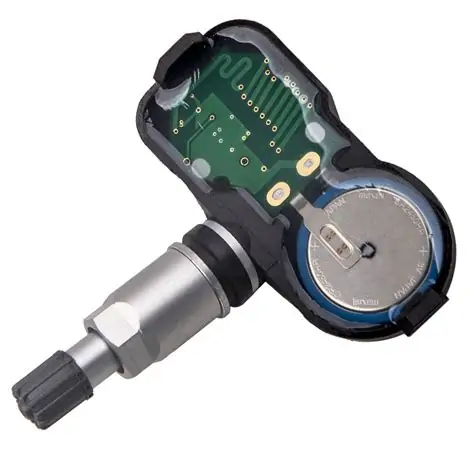
A TPMS sensor is typically located inside each tire, usually attached to the valve stem. It continuously measures the tire’s air pressure and sends this information to the vehicle’s onboard computer system. If the pressure drops below a certain threshold, the system alerts the driver through a dashboard warning light.
Types of TPMS Sensors
- Direct TPMS: Uses pressure sensors mounted inside each tire to provide real-time tire pressure readings.
- Indirect TPMS: Relies on the vehicle’s ABS system to measure wheel speed and deduce tire pressure based on the behavior of the tires during driving.
How TPMS Sensors Work
TPMS sensors take measurements and transmit data using radio frequency. When the tire pressure is normal, the sensor sends periodic updates to the vehicle’s computer. If there is a significant drop in pressure, it triggers a warning light on the dashboard, prompting the driver to check the tires.
Benefits of TPMS Sensors
- Improves Safety: By alerting drivers to low tire pressure, TPMS sensors enhance road safety.
- Enhances Fuel Efficiency: Properly inflated tires lead to better fuel economy.
- Extends Tire Life: Monitoring tire pressure helps in reducing uneven wear and prolonging tire lifespan.
Conclusion
In summary, understanding TPMS sensors and their function is vital for any vehicle owner. Ensuring that these sensors are functioning correctly not only promotes safety but also optimizes vehicle performance.
Signs of TPMS Sensor Failure
A Tire Pressure Monitoring System (TPMS) is critical for maintaining proper tire pressure, enhancing safety, and ensuring vehicle efficiency. However, like any electronic system, TPMS sensors can experience failure over time. Recognizing the signs of TPMS sensor failure is important to prevent potential issues while driving.
Here are some common indicators of TPMS sensor failure:
- Warning Light Activation: One of the most obvious signs is the TPMS warning light on your dashboard. If this light stays illuminated or blinks intermittently, it may indicate a fault in the TPMS sensors.
- Inaccurate Tire Pressure Readings: If you notice that the tire pressure reading on your display doesn’t match the actual pressure, your TPMS sensor may be malfunctioning.
- Frequent Alarm Notifications: If you frequently receive low tire pressure alerts when your tires are properly inflated, this inconsistency can point to a faulty sensor.
- Physical Damage: Inspect the TPMS sensors for any physical damage, such as cracks or leaks. Damaged sensors usually necessitate replacement.
- Battery Depletion: Many TPMS sensors have a battery life that lasts approximately 5-10 years. If your sensor is older than this, it might fail due to a depleted battery.
Failing to address these signs promptly can not only lead to more severe issues but can also compromise your vehicle’s safety. If you suspect a TPMS sensor failure, it’s advisable to have your vehicle inspected by a professional as soon as possible.
Stay aware and proactive about your vehicle’s health to ensure a safe driving experience!
Importance of Replacing TPMS Sensors
The Tire Pressure Monitoring System (TPMS) plays a crucial role in maintaining vehicle safety and efficiency. When the sensors begin to fail, it’s essential to understand the significant importance of replacing TPMS sensors promptly. Here are some key reasons why timely replacement is vital:
- Safety First: Properly functioning TPMS sensors monitor tire pressure and alert the driver to any issues. A malfunction can lead to unnoticed tire under-inflation, increasing the risk of blowouts or accidents.
- Fuel Efficiency: Under-inflated tires can significantly decrease your vehicle’s fuel efficiency. Replacing faulty sensors ensures that your tires are always inflated to the correct pressure, saving you money on gas.
- Prolonged Tire Life: Consistently maintaining the right tire pressure reduces uneven tire wear, which extends the lifespan of your tires. This not only saves you money on replacements but also enhances driving comfort.
- Improved Handling: A vehicle with well-maintained tire pressure has better handling characteristics. This means safer and more enjoyable driving experiences.
- Compliance with Regulations: Many regions have strict regulations regarding tire safety. Ensuring your TPMS functions properly can help you remain compliant.
In summary, neglecting to replace faulty TPMS sensors can lead to numerous issues, from safety hazards to increased costs. Investing in timely replacements is essential for maintaining your vehicle in optimal condition.
Taking care of your vehicle’s TPMS is not just about comfort; it’s about safety and efficiency. – Vehicle Maintenance Expert
Choosing the Right Replacement Sensor
When it comes to TPMS sensor replacement for your Toyota, selecting the right sensor is crucial for ensuring your vehicle’s safety and performance. With various options available in the market, it can be overwhelming to determine the best fit for your needs. Here are some key considerations:
- Compatibility: Ensure the TPMS sensor you choose is compatible with your specific Toyota model. Refer to the owner’s manual or consult a professional to verify compatibility.
- Quality: Opt for high-quality replacement sensors from reputable manufacturers. Genuine OEM parts are often the best choice, as they are designed to meet the strict standards set by Toyota.
- Frequency Specifications: TPMS sensors operate on specific radio frequencies. Make sure that the replacement sensor matches the frequency (usually 315 MHz or 433 MHz) required for your vehicle.
- Programmability: Some sensors require programming or registration with your car’s system. Check if the replacement sensor can be easily programmed, especially if you plan to do the installation yourself.
- Price: While it’s tempting to go for the cheapest option, remember that a lower price may come at the expense of quality. Compare prices but prioritize quality to avoid future issues.
In conclusion, selecting the right replacement TPMS sensor is not only important for the functionality of your tire pressure monitoring system but also for your overall driving safety. By keeping these factors in mind, you can make an informed decision that helps maintain your Toyota’s performance.
Steps for TPMS Sensor Replacement
Replacing your TPMS (Tire Pressure Monitoring System) sensors is essential for maintaining the safety and performance of your Toyota vehicle. Here are the detailed steps to ensure a proper replacement:
Tools and Materials Needed
- TPMS Sensor Tool
- Jack and Jack Stands
- Torque Wrench
- Replacement TPMS Sensors
- Valve Stems (if needed)
- Battery (if replacing sensors with batteries)
Steps for Replacement
- Gather Information: Consult your vehicle’s manual for specific information about the TPMS sensors compatible with your model.
- Prepare the Vehicle: Park the vehicle on a flat surface, engage the parking brake, and turn off the ignition.
- Lift the Vehicle: Use a jack to lift the vehicle and secure it with jack stands.
- Remove the Tire: Using a lug wrench, remove the lug nuts and then take off the tire to access the TPMS sensor.
- Locate the TPMS Sensor: The sensor is usually located inside the tire mounted on the wheel rim.
- Remove the Old Sensor: Detach the valve stem nut and carefully pull out the old sensor. Make sure to dispose of it properly.
- Install the New Sensor: Place the new TPMS sensor into the valve stem position and secure it using the nut.
- Reinstall the Tire: Place the tire back onto the wheel hub and hand-tighten the lug nuts. Then, use the torque wrench to tighten them to the manufacturer’s specifications.
- Lower the Vehicle: Carefully lower the vehicle back to the ground.
- Reset the TPMS: Use the TPMS tool to reset the system or follow the manual’s instructions to clear any warning lights.
Final Checks
After replacing the TPMS sensors, ensure you check the tire pressures to confirm they match the recommended levels. Drive the vehicle for a few minutes to allow the system to recalibrate.
By following these steps, you can successfully replace your Toyota’s TPMS sensors and keep your vehicle safe on the road.
Frequently Asked Questions
What is a TPMS sensor?
A TPMS (Tire Pressure Monitoring System) sensor is a device in each tire that monitors the air pressure and sends this information to the vehicle’s onboard computer to ensure safe driving.
Why would I need to replace my TPMS sensor?
A TPMS sensor may need to be replaced if it is malfunctioning, damaged, or if the battery inside the sensor has died, leading to inaccurate tire pressure readings.
How do I know if my TPMS sensor needs replacement?
Warning lights on your dashboard, inconsistent tire pressure readings, or difficulties in resetting the TPMS can indicate that the sensor requires replacement.
Can I replace the TPMS sensor myself?
Yes, replacing a TPMS sensor can be done as a DIY project if you have the right tools and knowledge, but it may be easier and safer to have it done by a professional.
How much does it typically cost to replace a TPMS sensor?
The cost to replace a TPMS sensor can vary widely, typically ranging from $50 to $150 per sensor, depending on the vehicle make, model, and labor costs.
Will I need to reprogram my TPMS sensors after replacement?
Yes, after replacing TPMS sensors, many vehicles require reprogramming to recognize the new sensors, which can usually be done with an appropriate scanner or by a mechanic.
What are the risks of not replacing a faulty TPMS sensor?
Neglecting to replace a faulty TPMS sensor can lead to undetected tire pressure issues, increasing the risk of tire blowouts, poor handling, and reduced fuel efficiency.