
Explore TPMS in Toyota Tundra, its importance, programming steps, common issues, and benefits for optimal performance and safety.In the world of modern automotive technology, the Toyota Tundra is renowned for its performance and reliability. A crucial component of this reliability lies within the Tire Pressure Monitoring System (TPMS), which ensures your tires maintain optimal pressure for safety and efficiency. Understanding how to program the TPMS sensors in your Tundra is essential for any owner looking to enhance their driving experience. Proper TPMS sensor programming not only helps avoid potential issues related to tire pressure but also contributes to fuel efficiency and overall vehicle longevity. In this blog post, we will dive deep into the intricacies of TPMS in the Toyota Tundra, explore the importance of its sensor programming, provide a detailed step-by-step guide, address common programming issues, and highlight the benefits of ensuring your TPMS is in top condition. Whether you’re a seasoned DIY enthusiast or just starting, this guide will equip you with the knowledge you need.
Understanding TPMS in Toyota Tundra
The Tire Pressure Monitoring System (TPMS) in the Toyota Tundra is an essential safety feature designed to monitor the air pressure in the vehicle’s tires. Understanding how this system works can help you maintain optimal tire performance and improve your overall driving safety.
What is TPMS?
TPMS continuously monitors the air pressure in each tire and alerts the driver if the pressure falls below a specific threshold. There are two types of TPMS: Direct TPMS and Indirect TPMS.
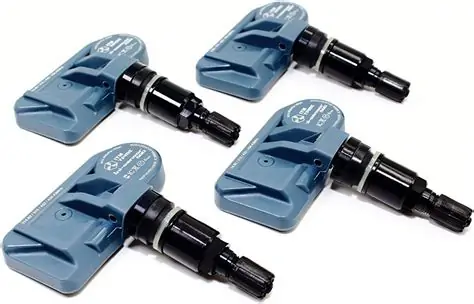
- Direct TPMS: This system uses pressure sensors mounted inside each tire to measure air pressure and transmit data to the vehicle’s onboard computer.
- Indirect TPMS: This system infers tire pressure based on the rotational speed of the tires, using data from the vehicle’s anti-lock braking system (ABS).
Why is TPMS Important in the Toyota Tundra?
Ensuring that tire pressure is within the recommended range is crucial for several reasons:
- Improved Fuel Efficiency: Properly inflated tires can contribute to better gas mileage.
- Enhanced Safety: Under-inflated tires can lead to blowouts or loss of control, especially in adverse weather conditions.
- Increased Tire Longevity: Maintaining the correct tire pressure can reduce wear and tear, extending the lifespan of your tires.
How TPMS Works in the Tundra
The TPMS in the Toyota Tundra typically consists of four sensors, one for each tire. These sensors monitor tire pressure in real-time and communicate with the vehicle’s onboard computer. When the pressure of any tire drops below the recommended level, a warning light will illuminate on the dashboard, prompting the driver to check the affected tire.
Key Features of TPMS in Toyota Tundra
“A well-maintained TPMS is a vital aspect of any vehicle’s safety framework.”
Some key features of the TPMS in the Toyota Tundra include:
- Real-time monitoring of tire pressure
- Dashboard alerts and warnings for low tire pressure
- Compatibility with different tire sizes
- Automatic resets after tire pressure adjustments
In summary, understanding TPMS in your Toyota Tundra is crucial for ensuring safety, optimizing performance, and enhancing efficiency. By keeping an eye on your tire pressure and responding promptly to TPMS alerts, you can enjoy a smoother and safer ride.
Importance of TPMS Sensor Programming
The Tire Pressure Monitoring System (TPMS) is a crucial feature in modern vehicles, including the Toyota Tundra. It plays a significant role in ensuring driving safety and enhancing vehicle performance. One essential aspect of maintaining the effectiveness of a TPMS is sensor programming. Below are several key reasons highlighting the importance of TPMS sensor programming:
- Accurate Tire Pressure Monitoring: Properly programmed TPMS sensors guarantee accurate readings of tire pressure, preventing situations that could compromise safety.
- Increased Fuel Efficiency: Maintaining optimal tire pressure leads to better fuel economy, as under-inflated tires can significantly increase fuel consumption.
- Improved Tire Longevity: Correctly programmed sensors help monitor tire health, allowing for timely maintenance and extending the lifespan of tires.
- Enhanced Vehicle Performance: With accurate tire pressure readings, the Toyota Tundra can perform optimally, particularly in challenging driving conditions.
- Compliance with Regulations: Many regions have specific regulations regarding vehicle safety features, including TPMS. Proper sensor programming ensures compliance with these laws.
In the context of Toyota Tundra, understanding the importance of TPMS sensor programming is vital for not just road safety but also for the overall longevity and efficiency of the vehicle.
“A properly functioning TPMS is essential for safe driving and maximizing vehicle performance.”
Being aware of these factors is critical for Toyota Tundra owners and helps underline the necessity of having their TPMS sensors programmed accurately and regularly.
Step-by-Step TPMS Sensor Programming Guide
The TPMS (Tire Pressure Monitoring System) in your Toyota Tundra is essential for maintaining tire health and ensuring safety on the road. Properly programming your TPMS sensors is crucial after tire rotation, replacement, or sensor battery replacement. Follow this step-by-step guide for successful programming.
Tools Needed:
- TPMS Programming Tool
- New TPMS Sensors
- Vehicle Key or Remote
Step-by-Step Programming Process:
- Gather Tools: Ensure you have your TPMS programming tool, new sensors, and vehicle key.
- Access Vehicle Settings: Turn on the ignition without starting the engine to access the onboard diagnostics.
- Connect Programming Tool: Plug the TPMS programming tool into the OBD-II port. The location of this port is usually under the dashboard on the driver’s side.
- Select Vehicle Model: Follow the tool’s prompts to select your Toyota Tundra model for accurate programming.
- Initialize Sensor Programming: Use the programming tool to start the sensor programming process. You may be prompted to confirm the vehicle type and year.
- Activate Sensors: One by one, activate each TPMS sensor. This can typically be achieved by removing the valve cap and using the tool to send a signal to the sensor.
- Confirm Activation: Once activated, the tool should confirm each sensor’s communication. Ensure that all sensors are recognized.
- Finish Programming: After activation, follow the on-screen prompts to complete the programming process. The tool should indicate when the TPMS system has been successfully updated.
- Recheck Tire Pressures: After programming, verify that all tire pressures are set to the recommended levels.
Reminder:
It’s important to consult your Toyota Tundra owner’s manual for specific instructions related to your vehicle model, as steps may vary slightly. Additionally, regular checks on your TPMS system will ensure optimal performance and safety on the road.
Maintaining proper tire pressure not only improves vehicle safety but also enhances fuel efficiency and prolongs tire life. – Automotive Expert
Common TPMS Sensor Programming Issues
When it comes to maintaining your Toyota Tundra, understanding the intricacies of the Tire Pressure Monitoring System (TPMS) is crucial. While programming TPMS sensors is a relatively straightforward process, various issues can arise, leading to complications in performance and functionality. Here are some of the most common TPMS sensor programming issues you may encounter:
1. Sensor Not Responding
One of the most prevalent issues is that the sensor fails to respond during programming. This can be caused by:
- Dead battery in the sensor.
- Improper installation.
- Incompatible sensors being used.
2. Incorrect Sensor ID
Another common issue arises when the sensor ID does not match the vehicle’s specifications. This can happen due to:
- Mixing up sensor IDs during replacement.
- Failure to register the new sensor with the vehicle’s onboard computer.
3. Environmental Interference
Programming can also be affected by environmental factors such as:
- Outside temperature extremes.
- Electromagnetic interference from nearby devices.
These factors can disrupt the communication between the sensor and the vehicle’s ECU.
4. Software Compatibility
Another area where issues may arise is with software compatibility. Ensure your programming tool is up-to-date and compatible with:
- Your specific Toyota Tundra model.
- The TPMS sensors you are using.
5. Faulty Programming Tool
Lastly, the programming tool itself may be the culprit if you continue to face issues. Factors to consider include:
- Corrupted software on the programming device.
- Outdated firmware.
Proper diagnosis of these issues is essential for effective TPMS sensor programming. Taking the time to address these common problems can ensure your system operates efficiently, keeping your Toyota Tundra safe and reliable on the road.
Benefits of Proper TPMS Sensor Programming
Proper TPMS sensor programming is essential for maintaining the performance and safety of your Toyota Tundra. Here are several benefits that highlight the importance of correct TPMS sensor programming:
- Enhanced Safety: With appropriately programmed TPMS sensors, your vehicle can accurately monitor tire pressure, helping to prevent blowouts and improve overall safety on the road.
- Improved Fuel Efficiency: Maintaining optimal tire pressure through proper TPMS programming can lead to better fuel efficiency. Under-inflated tires can increase rolling resistance, leading to higher fuel consumption.
- Increased Tire Longevity: Correct programming helps ensure that tires are inflated to their recommended pressure levels, promoting even tire wear and extending the lifespan of your tires.
- Preventative Maintenance: A well-functioning TPMS alerts drivers to any tire issues before they escalate, providing opportunities for timely fixes and reducing the likelihood of costly repairs.
- Compliance with Regulations: Many regions have regulations regarding tire pressure monitoring systems. Proper TPMS programming ensures that your vehicle is compliant with these laws, helping you avoid potential fines.
- Improved Handling and Performance: Correctly programmed TPMS sensors contribute to better handling by ensuring that the tires maintain appropriate pressure, thereby enhancing the driving experience.
In summary, the benefits of proper TPMS sensor programming in your Toyota Tundra are significant, touching on aspects of safety, efficiency, and vehicle performance. By ensuring that your TPMS sensors are accurately programmed, you not only protect your investment but also enhance the overall driving experience.
Frequently Asked Questions
What is a TPMS sensor in the Toyota Tundra?
The TPMS (Tire Pressure Monitoring System) sensor in the Toyota Tundra is a device that monitors the air pressure in the tires and alerts the driver when the pressure is too low.
How do I know if my Toyota Tundra TPMS sensor needs programming?
You may need to program the TPMS sensor if the warning light on your dashboard is illuminated after replacing tires or sensors, or if you’ve had a tire-related service done.
What tools are required for programming the TPMS sensor in a Toyota Tundra?
Programming the TPMS sensor typically requires a TPMS scan tool, which can reprogram the sensor to the vehicle’s onboard computer after replacement.
Can I program the TPMS sensors myself, or do I need a professional?
If you have the right tools and understanding, you can program the TPMS sensors yourself; however, it’s often easier and safer to have a professional do it to ensure correct calibration.
What is the process of programming a TPMS sensor in a Toyota Tundra?
The process usually involves using a TPMS tool to communicate with each sensor, giving them a signal to establish communication with the vehicle’s ECU, and then resetting the TPMS light.
What are some common issues with TPMS sensors in the Toyota Tundra?
Common issues include dead batteries in the sensors, damaged or incorrect sensor installation, and interference from nearby devices affecting signal communication.
How often should I check my Toyota Tundra’s TPMS system?
It’s recommended to check your Tundra’s TPMS system regularly, especially before long trips, and to inspect the tire pressure monthly to ensure your tires are properly inflated.