
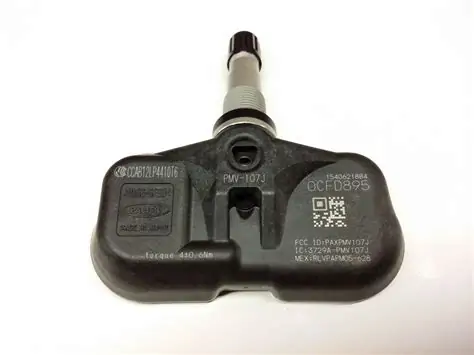
Discover the purpose of TPMS sensors, signs of malfunctions, diagnosis methods, replacement steps, and the benefits of a functioning system for your vehicle.The Toyota Tundra is a rugged vehicle known for its reliability and performance, making it a popular choice among truck enthusiasts. One crucial component of maintaining safety and optimal driving conditions is the Tire Pressure Monitoring System (TPMS) sensor. This small but mighty sensor plays a significant role in monitoring tire pressure, alerting drivers to any discrepancies that could lead to dangerous situations. However, as with any automotive technology, issues can arise, leading to malfunction. In this blog post, we will explore what a TPMS sensor is, how to recognize signs of its failure, methods for diagnosing problems, the steps for replacement, and the overall benefits of having a fully functioning sensor. Understanding these aspects will ensure your Toyota Tundra remains in peak condition, enhancing both your safety and driving experience.
What is a TPMS sensor?
A Tire Pressure Monitoring System (TPMS) sensor is a crucial component in modern vehicles, including the Toyota Tundra. This sensor is designed to monitor the air pressure in each tire and alert the driver when the pressure falls below a specified threshold. By doing so, the TPMS enhances safety, fuel efficiency, and tire longevity.
TPMS can be classified into two main types: direct TPMS and indirect TPMS.
| Type | Description |
|---|---|
| Direct TPMS | Uses sensors mounted on each tire to measure air pressure directly and transmits the data to the vehicle’s onboard computer. |
| Indirect TPMS | Relies on the vehicle’s ABS (Anti-lock Braking System) wheel speed sensors to infer tire pressure based on how quickly each tire rotates. |
The Toyota Tundra typically employs a direct TPMS system, which allows for accurate real-time monitoring and immediate alerts if tire pressure drops too low. This feature is essential for preventing tire blowouts, improving overall vehicle handling, and ensuring optimal fuel economy.
Maintaining the correct tire pressure is not just about safety; it also plays a significant role in the performance and efficiency of your vehicle. – Automotive Expert
Regularly checking and maintaining your TPMS sensor’s functionality ensures your Toyota Tundra operates smoothly and safely on the road.
Signs of TPMS sensor malfunction
The Tire Pressure Monitoring System (TPMS) is a crucial feature in modern vehicles, including the Toyota Tundra, designed to keep you informed about your tire health. When this system malfunctions, it can lead to serious safety concerns. Here are some key signs indicating that your TPMS sensor may not be functioning properly:
- Warning Light on Dashboard: One of the most obvious signs is the illumination of the TPMS warning light. If this light stays on, it likely indicates a malfunction.
- Inconsistent Pressure Readings: If the readings from your TPMS sensor appear inconsistent or inaccurate, this could signal a problem. For instance, if the display frequently changes or shows pressure values that are not in line with manual measurements.
- Flat Tire Alerts: If your TPMS alerts you about a flat tire, but your tires are actually fine, there may be an issue with the sensors.
- Slow Leak Detection Failure: If the system fails to alert you to a slow tire leak, this could suggest that the TPMS sensor is not working as it should.
- Unresponsive to Tire Pressure Adjustments: A functioning TPMS should register any changes in tire pressure almost instantly. If your adjustments aren’t being recognized, it’s a sign of a sensor issue.
In summary, keeping an eye on the signs of TPMS sensor malfunction can help ensure the safety and performance of your Toyota Tundra. Regular maintenance and checks can help prevent serious issues down the line.
How to diagnose TPMS sensor issues
If you own a Toyota Tundra, understanding how to diagnose issues with your TPMS (Tire Pressure Monitoring System) sensor is crucial for maintaining safety and performance. Here’s a comprehensive guide to help you identify potential problems and ensure your TPMS is functioning correctly.
Common Signs of TPMS Sensor Issues
Before diving into the diagnostic process, it’s important to recognize the common signs of a malfunctioning TPMS sensor:
- Warning Light: The primary sign is the illumination of the TPMS warning light on your dashboard.
- Inaccurate Tire Pressure Readings: If your TPMS is consistently displaying incorrect values, it may be malfunctioning.
- Frequent Air Loss: If you find yourself frequently needing to inflate your tires, it could be a sign of a malfunctioning sensor.
- Erratic Readings: Sudden changes in tire pressure readings without any apparent cause can indicate sensor issues.
Steps to Diagnose TPMS Sensor Issues
Follow these outlined steps to diagnose TPMS sensor issues effectively:
- Visual Inspection
Start by visually inspecting your tires for any obvious signs of damage, such as punctures or significant wear. Examine the valve stems and ensure they are not cracked or leaking.
- Check Air Pressure
Use a manual gauge to measure the tire pressure in each tire. Compare these readings with the recommended pressure listed on the sticker inside the driver’s door. If there’s a discrepancy, there may be an issue with the TPMS sensor.
- Reset the TPMS
Sometimes a simple reset can fix sensor issues. Refer to your owner’s manual to locate the TPMS reset button (usually found beneath the steering wheel) and follow the required steps to reset it.
- Scan for Error Codes
Utilize an OBD-II scanner to check for any diagnostic trouble codes (DTCs) related to the TPMS. This can provide insights into the specific malfunctioning sensor or system.
- Professional Diagnostics
If you’re still unable to determine the issue, it may be best to consult with a professional technician. They have specialized tools and expertise to diagnose complex TPMS problems accurately.
Final Thoughts
Diagnosing TPMS sensor issues in your Toyota Tundra is essential for safe driving. By watching for common signs and following these diagnostic steps, you can ensure that your TPMS remains reliable and effective.
Replacing the TPMS sensor
Replacing the TPMS sensor in your Toyota Tundra is a crucial maintenance task that ensures your vehicle’s tire pressure monitoring system functions effectively. A malfunctioning TPMS can lead to inaccurate tire pressure readings and potentially unsafe driving conditions. Here’s a guide on how to replace the TPMS sensor in your Toyota Tundra.
Steps to Replace the TPMS Sensor
- Gather Your Tools: Before starting the replacement process, make sure you have the following tools:
- Jack and jack stands
- Tire iron
- Torque wrench
- New TPMS sensor
- Valve stem tools
- Lift the Vehicle: Use the jack to lift your Toyota Tundra and securely place it on jack stands. This will provide the necessary access to the tires for sensor replacement.
- Remove the Wheel: Using the tire iron, loosen the lug nuts and remove the wheel where the TPMS sensor needs to be replaced.
- Access the TPMS Sensor: Locate the TPMS sensor within the valve stem of the tire. You may need to deflate the tire to remove or access the sensor easily.
- Remove the Old Sensor: Use the valve stem tool to unscrew and remove the old TPMS sensor from the valve stem.
- Install the New Sensor: Take your new TPMS sensor and install it in the same position as the old one. Ensure it’s tightened securely.
- Reassemble the Tire: Inflate the tire to the recommended pressure. Replace the tire back on the vehicle and tighten the lug nuts with the torque wrench to the manufacturer’s specifications.
- Reset the TPMS System: After replacing the sensor, you may need to reset the TPMS system. This can usually be done via the vehicle menu or by using a TPMS tool.
Important Considerations
When replacing a TPMS sensor, keep these points in mind:
- Always use a compatible TPMS sensor for your specific Toyota Tundra model.
- Consider replacing all four sensors at once to maintain uniformity.
- Regularly check the battery life of the sensors, as most have a limited lifespan.
Replacing the TPMS sensor can be a straightforward process if done correctly. Regular maintenance of the tire pressure monitoring system is essential for safe driving and optimal vehicle performance.
Benefits of a functioning TPMS sensor
The Tire Pressure Monitoring System (TPMS) is an essential safety feature in modern vehicles, including the Toyota Tundra. A properly functioning TPMS sensor offers numerous benefits that enhance vehicle performance and safety. Here are some key advantages:
- Enhanced Safety: Proper tire pressure is crucial for safe driving. A functioning TPMS constantly monitors tire pressure, alerting drivers to any irregularities. This minimizes the risk of tire blowouts and accidents.
- Improved Fuel Efficiency: Underinflated tires can increase rolling resistance, leading to higher fuel consumption. A working TPMS ensures optimal tire pressure, thereby enhancing fuel efficiency and saving you money at the pump.
- Extended Tire Life: Maintaining the correct tire pressure extends the life of your tires. A TPMS alerts you when tire pressure is too low, helping you to avoid uneven wear and tear and reducing the frequency of tire replacements.
- Better Handling and Performance: Properly inflated tires provide better traction and handling. A functioning TPMS helps ensure that your Toyota Tundra performs optimally, especially in challenging driving conditions.
- Environmental Benefits: By ensuring your tires are properly inflated, a functioning TPMS can contribute to lower emissions and a smaller carbon footprint, aligning with eco-friendly driving practices.
In summary, a functioning TPMS sensor is not just a convenience; it is a vital component that enhances safety, efficiency, and performance of your Toyota Tundra. Regularly checking and maintaining your TPMS can help you reap these benefits and enjoy a safer driving experience.
Frequently Asked Questions
What is a TPMS sensor and why is it important for the Toyota Tundra?
A TPMS (Tire Pressure Monitoring System) sensor monitors the tire pressure in the Toyota Tundra, alerting the driver when tire pressure is too low or too high, which is important for safety, fuel efficiency, and tire longevity.
How can I tell if my Toyota Tundra’s TPMS sensor is malfunctioning?
Signs of a malfunctioning TPMS sensor include the warning light on the dashboard illuminating, inconsistent pressure readings, or the light blinking inconsistently, indicating a need for inspection or possible replacement.
Can I reset the TPMS sensor myself on a Toyota Tundra?
Yes, you can reset the TPMS sensor on a Toyota Tundra by following the manufacturer’s instructions, which typically involve inflating the tires to the recommended pressure and using the reset button located below the steering wheel.
What are the costs associated with replacing a TPMS sensor in a Toyota Tundra?
The cost of replacing a TPMS sensor in a Toyota Tundra can vary, typically ranging from $50 to $150 per sensor, depending on the dealer or repair shop fees, plus the cost of tire service if needed.
How often should I check the TPMS sensor on my Toyota Tundra?
It is advisable to check the TPMS sensor every month and before long trips, as well as regularly visualize tire pressures to ensure they are within the recommended range for optimal performance.
What should I do if the TPMS warning light stays on after checking tire pressure?
If the TPMS warning light remains on after checking the tire pressure, you should inspect for any possible leak, damage, or a malfunctioning sensor, and consider visiting a professional mechanic or dealership for diagnosis.
Are there any DIY methods to troubleshoot TPMS issues in a Toyota Tundra?
Yes, you can troubleshoot TPMS issues yourself by checking tire pressures, ensuring that the sensors are properly mounted, using a tire pressure gauge for accuracy, and researching specific warning light codes if available.