
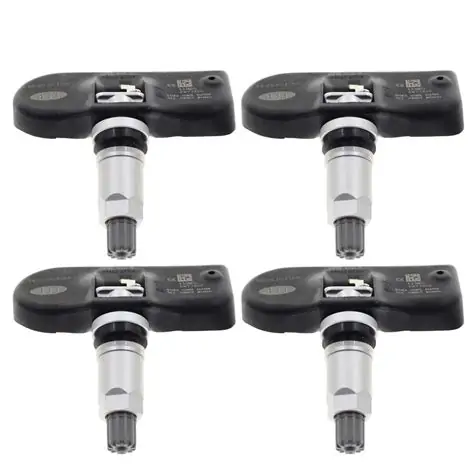
Discover everything about TPMS sensors: their significance, common issues, reset methods, and replacement tips for optimal tire safety and performance.If you’re a Chrysler Town and Country owner, understanding the intricacies of your vehicle’s Tire Pressure Monitoring System (TPMS) sensor can enhance your driving experience and ensure safety on the road. This small but crucial component plays a significant role in monitoring tire pressure, alerting you to any potential issues before they escalate. In this blog post, we’ll delve into what a TPMS sensor is and why it’s vital for maintaining optimal tire performance. We’ll also explore common issues you might encounter with the sensor, provide guidance on how to reset it, and discuss when it’s necessary to replace it. Whether you’re dealing with a stubborn warning light or just want to be proactive about your vehicle’s maintenance, this comprehensive guide has you covered.
What is a TPMS sensor?
A Tire Pressure Monitoring System (TPMS) sensor is a crucial component in modern vehicle safety technology. It is designed to monitor the air pressure inside the tires and provide real-time data to the driver about the tire pressure status. Essentially, TPMS sensors help ensure that tires are properly inflated, which is vital for maintaining fuel efficiency, tire longevity, and overall vehicle safety.
TPMS sensors are typically located within the tire itself, either mounted on the valve stem or placed within the tire’s structure. When the air pressure in any tire falls below a predetermined threshold, the TPMS sensor activates a warning light on the dashboard, alerting the driver to check the tire pressure.
Types of TPMS Sensors
There are two main types of TPMS sensors:
- Direct TPMS: This type uses sensors inside the tire to measure air pressure directly. If the pressure falls below a specific level, the sensor sends a signal to the vehicle’s onboard computer, triggering a warning light.
- Indirect TPMS: This type does not have physical pressure sensors in the tires. Instead, it uses the vehicle’s ABS (Anti-lock Braking System) sensors to monitor wheel speed. If a tire is under-inflated, it will rotate at a different speed than the others, and the system will detect this discrepancy.
In summary, a TPMS sensor is an essential part of vehicle safety, helping to maintain proper tire pressure and prevent issues that can arise from under-inflated tires. Understanding what a TPMS sensor does is key for every driver, especially for those owning a Chrysler Town and Country, where the system plays a vital role in vehicle performance and safety.
Importance of TPMS sensor
The Tire Pressure Monitoring System (TPMS) sensor plays a crucial role in vehicle safety and performance. The primary function of this sensor is to monitor the air pressure in your tires continuously. Here are several key reasons why the importance of TPMS sensor cannot be overstated:
- Enhanced Safety: Proper tire pressure is vital for safe driving. Under-inflated tires can lead to reduced traction and increased braking distance, making TPMS essential for overall vehicle safety.
- Improved Fuel Efficiency: Tires that are inflated to the correct pressure can improve fuel economy. A properly functioning TPMS can help maintain optimal tire pressure, reducing fuel consumption.
- Longer Tire Life: Consistently monitoring tire pressure with a TPMS can extend the life of your tires. Proper inflation helps avoid uneven wear, which can lead to costly replacements.
- Environmental Impact: Optimized tire pressure reduces rolling resistance, which not only saves fuel but also lowers carbon emissions, contributing to a healthier environment.
- Real-time Monitoring: Many modern vehicles equipped with TPMS provide real-time alerts, helping drivers to respond promptly to low tire pressure and prevent potential accidents on the road.
In summary, the importance of TPMS sensor lies in its ability to enhance safety, improve fuel efficiency, extend tire life, and contribute positively to the environment. Drivers should regularly check the functionality of their TPMS to ensure it operates effectively.
Common issues with TPMS sensor
The Tire Pressure Monitoring System (TPMS) is crucial for maintaining optimal tire performance in your Chrysler Town and Country. However, like any other system, it can encounter issues. Below are some of the common problems associated with TPMS sensors:
- Faulty Sensors: Over time, TPMS sensors can wear out or fail. This can be due to battery depletion or corrosion of the sensor components. A faulty sensor may provide inaccurate tire pressure readings or trigger warning lights.
- Incorrect Tire Pressure: If the tire pressure is too low or too high, the TPMS will activate. Hence, it’s essential to regularly check your tire pressure and ensure it’s within the recommended range.
- Interference from Other Devices: Sometimes, electronic devices or other interference can affect the TPMS signals, causing false warnings or inaccurate readings. This might lead to unnecessary concern or confusion.
- Sensor Misalignment: If the TPMS sensors are not aligned correctly during a tire rotation or replacement, they may not function properly, resulting in malfunctioning messages or alerts.
- Cold Weather Effects: Sudden drops in temperature can cause tire pressure to decrease. The TPMS will alert you if it detects a significant pressure drop, which is especially common in colder months.
To ensure that your Chrysler Town and Country remains safe and efficient, it’s vital to address these common TPMS sensor issues promptly. Regular checks and maintenance can help prolong the life of your TPMS and ensure reliable operation.
How to reset TPMS sensor
The Tire Pressure Monitoring System (TPMS) sensor plays a critical role in your vehicle’s safety. If you’re driving a Chrysler Town and Country, it’s important to know how to reset the TPMS sensor when necessary. The process is straightforward and can usually be accomplished without professional assistance.
Steps to Reset TPMS Sensor
- Check Tire Pressures: Before resetting, ensure that all tires are inflated to the manufacturer’s recommended pressure. This includes the spare tire.
- Turn on the Ignition: Insert the key into the ignition and turn it to the ON position without starting the engine.
- Locate the TPMS Reset Button: This is typically found under the steering wheel or near the instrument cluster. Refer to your owner’s manual if you’re unable to locate it.
- Press and Hold the Reset Button: Hold the button until the TPMS indicator light blinks three times, then release the button.
- Start the Engine: Turn on the vehicle. The TPMS warning light should go off after a few minutes of driving, indicating that the system recognizes the correct tire pressures.
Alternative Reset Method
If your Chrysler Town and Country does not have a TPMS reset button, you can try the following:
- Drive the vehicle for around 15-30 minutes at a speed of 50 mph or higher to reset the system.
- Make sure to check for any malfunctioning sensors, which may require professional diagnostics.
Diagnosing Persistent Issues
If the TPMS light remains on after following these steps, it may be indicative of a deeper issue. Here are some common problems to consider:
The TPMS sensor could be malfunctioning, the battery might be dead, or there may be an issue with the vehicle’s onboard diagnostics.
In such cases, it is recommended to consult with a certified technician for further assessment.
Replacing TPMS sensor
Replacing a TPMS (Tire Pressure Monitoring System) sensor in your Chrysler Town and Country is an essential maintenance task that ensures your vehicle’s safety and efficiency. The TPMS alerts you when a tire is significantly under-inflated, helping to prevent tire blowouts and improving fuel efficiency.
Steps to Replace TPMS Sensor
- Gather Necessary Tools: You’ll need a tire pressure gauge, a valve core tool, a socket set, and, if applicable, a TPMS reset tool. Additionally, make sure you have the correct replacement sensor for your specific model.
- Prepare the Vehicle: Park your Chrysler Town and Country on a flat, stable surface. Engage the parking brake and turn off the engine.
- Remove the Wheel: Use a jack to lift the vehicle and secure it with jack stands. Remove the wheel lug nuts with a socket and take off the wheel to access the tire.
- Detach the Old Sensor: Locate the TPMS sensor inside the tire. Use the valve core tool to remove the valve core, then carefully unscrew the old sensor from the valve stem.
- Install New Sensor: Take your new TPMS sensor and screw it onto the valve stem, ensuring it’s tightly secured. Reinsert the valve core and make sure it is also tight to prevent air leakage.
- Reassemble Wheel: Place the wheel back onto the hub, replace the lug nuts, and tighten them securely. Lower the vehicle back to the ground.
- Check System: Start your Chrysler Town and Country and check the dashboard for any TPMS warning lights. You may need to reset the TPMS system using a reset tool, depending on your vehicle’s model.
- Verify Tire Pressure: Lastly, use a tire pressure gauge to ensure that all tires are inflated to the recommended pressure levels.
Tips for a Successful Replacement
- Always consult your vehicle’s manual for specific instructions related to the TPMS sensor.
- When purchasing a new sensor, ensure it is compatible with your Chrysler Town and Country model.
- Consider replacing all TPMS sensors if they are over five years old, as they can degrade over time.
“Maintaining proper tire pressure is vital for maximizing performance and safety.”
By following these steps carefully, you can successfully replace the TPMS sensor in your Chrysler Town and Country, ensuring a safer driving experience and optimal vehicle performance.
Frequently Asked Questions
What is a TPMS sensor?
A TPMS (Tire Pressure Monitoring System) sensor is a device that monitors the air pressure in a vehicle’s tires and alerts the driver when the pressure is too low.
Why is the TPMS sensor important for a Chrysler Town and Country?
The TPMS sensor is important for the Chrysler Town and Country as it helps ensure optimal tire pressure, enhancing safety, improving fuel efficiency, and extending the lifespan of the tires.
How can I tell if my Chrysler Town and Country TPMS sensor is malfunctioning?
Signs of a malfunctioning TPMS sensor include the TPMS warning light remaining illuminated on the dashboard, erratic tire pressure readings, or frequent alerts even after adjusting tire pressure.
How do I reset the TPMS sensor in my Chrysler Town and Country?
To reset the TPMS sensor, locate the reset button (usually found beneath the steering wheel), press it until the TPMS light blinks three times, then release it, and drive the vehicle for a few minutes.
What should I do if the TPMS warning light stays on in my Chrysler Town and Country?
If the TPMS warning light stays on, check the tire pressures first. If they are normal but the light remains on, you may need to have the sensors evaluated or replaced.
Can I replace the TPMS sensor on my own?
Yes, you can replace the TPMS sensor on your own if you have the necessary tools and knowledge. However, it is recommended to have a professional service for proper installation and calibration.
How often should I check the TPMS system in my Chrysler Town and Country?
It’s advisable to check the TPMS system at least once a month or before long trips, as tire pressure can change with temperature fluctuations and tire wear.