
Learn about TPMS sensors, their importance, common issues, how to reset the sensor light, and when to replace them for optimal vehicle safety.The Tire Pressure Monitoring System (TPMS) is an essential feature in modern vehicles, including Honda models, designed to enhance safety and performance on the road. If you’ve noticed the ominous TPMS sensor light illuminating your dashboard, it’s crucial to understand what it signifies and how to address it. This blog post will delve into the workings of TPMS sensors, the significance of maintaining proper tire pressure, and the common reasons behind that pesky warning light. We’ll also provide a step-by-step guide on how to reset the TPMS light and offer advice on when it’s time to replace your TPMS sensors. By familiarizing yourself with this important system, you can ensure a smoother and safer driving experience.
Understanding TPMS Sensors
Tire Pressure Monitoring System (TPMS) sensors are essential devices designed to monitor the air pressure in your vehicle’s tires. These sensors send real-time data to your vehicle’s onboard computer, alerting the driver when tire pressure falls below the recommended level. Maintaining proper tire pressure is crucial for safety, vehicle performance, and fuel efficiency.
How TPMS Sensors Work
TPMS sensors can be categorized into two types: Direct TPMS and Indirect TPMS.
- Direct TPMS: This system uses pressure sensors mounted in each tire that transmit the tire’s pressure data to the vehicle’s computer. If the pressure falls too low, a warning light illuminates on the dashboard.
- Indirect TPMS: Instead of using pressure sensors, this system utilizes the vehicle’s ABS wheel speed sensors to detect discrepancies in tire pressure. If a tire is under-inflated, it will rotate at a different speed than the others, triggering the warning light.
Importance of TPMS Sensors
Having a functioning TPMS is critical for several reasons:
- Safety: Under-inflated tires can lead to blowouts and loss of vehicle control, posing a significant safety risk.
- Fuel Efficiency: Properly inflated tires improve fuel economy. A drop in tire pressure can lead to increased rolling resistance, thus wasting fuel.
- Tire Longevity: Maintaining the correct tire pressure can extend the lifespan of your tires, saving you money on replacements.
In conclusion, being aware of how TPMS sensors operate and their importance can greatly enhance your driving experience. Regularly checking your tire pressure and ensuring that your TPMS is functioning correctly can prevent complications and promote safer driving.
The Importance of TPMS Sensors
The Tire Pressure Monitoring System (TPMS) sensors play a critical role in ensuring the safety and efficiency of your vehicle. Here’s why these sensors are indispensable:
- Enhanced Safety: TPMS sensors monitor tire pressure in real-time, alerting drivers to issues before they lead to tire failure. Proper tire pressure minimizes the risk of accidents caused by blowouts.
- Improved Fuel Efficiency: Maintaining the correct tire pressure helps your vehicle operate efficiently, which can lead to better fuel economy. Under-inflated tires can increase rolling resistance, causing your engine to work harder and consume more fuel.
- Extended Tire Life: By ensuring optimal tire pressure, TPMS sensors can help extend the lifespan of your tires. This not only saves money on replacements but also reduces waste.
- Environmental Impact: Properly inflated tires lead to lower emissions. By improving fuel efficiency, TPMS contributes to a reduction in harmful pollutants, benefiting the environment as a whole.
Regulatory Compliance: In many regions, vehicles are required to have functional TPMS systems. Failure to comply can result in fines or insurance complications.
In summary, the importance of TPMS sensors cannot be overstated. They are a vital part of modern vehicle safety and efficiency, ensuring that drivers remain informed about their tire conditions and can address issues promptly.
Common Causes of TPMS Sensor Light
The TPMS (Tire Pressure Monitoring System) sensor light is an important feature in modern vehicles, including Honda models. It alerts drivers when there is an issue with tire pressure, which can compromise safety and vehicle performance. Here are some common causes that can trigger the TPMS sensor light:
- Low Tire Pressure:
The most common reason for the TPMS light to illuminate is simply that one or more tires are under-inflated. Low tire pressure can result from natural wear, temperature fluctuations, or slow leaks. Regularly checking the air pressure in your tires is essential.
- Flat Tire:
A completely flat tire will undoubtedly trigger the TPMS light. It’s important to check your tires immediately if you notice the light being on to ensure safe driving conditions.
- TPMS Sensor Malfunction:
Sometimes, the sensors themselves can fail or malfunction, which can cause the light to stay illuminated even if tire pressures are correct. Regular vehicle maintenance can help identify these issues early.
- Changes in Tire Size:
If you’ve recently changed your tires or switched from summer to winter tires (or vice versa), this can affect the TPMS readings. Ensure that the new tires have sensors compatible with your TPMS.
- Temperature Changes:
Significant drops or increases in temperature can cause tire pressure to fluctuate. A temperature drop of 10°F can decrease tire pressure by about 1 PSI, which may trigger the TPMS light.
- Low Battery in TPMS Sensor:
Each sensor has a battery that can deplete over time. If the battery is low, it may not properly transmit tire pressure data to the vehicle system, resulting in the TPMS light coming on.
Understanding these common causes can help Honda owners maintain their vehicles and address any issues related to the TPMS sensor light promptly. If the light persists after checking the obvious factors, it’s advisable to consult a professional mechanic for further diagnosis.
How to Reset TPMS Sensor Light
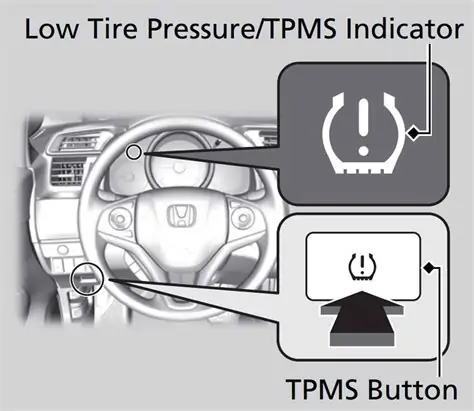
The TPMS sensor light on your Honda vehicle is an important feature designed to alert you when your tire pressure is low or when there’s a malfunction with the system itself. If you’ve checked your tire pressures and confirmed they’re all within the recommended range, you may need to reset the TPMS light. Below are the steps to successfully reset your TPMS sensor light:
Steps to Reset TPMS Sensor Light
- Ensure that all tires are properly inflated to the manufacturer’s recommended pressure. You can usually find this information on a sticker located on the driver’s side door or in the owner’s manual.
- Turn the ignition key to the ON position without starting the engine. This allows the system to check the sensors.
- Locate the TPMS reset button. This button is typically found beneath the steering wheel or near the driver’s side dashboard.
- Press and hold the TPMS reset button until the TPMS light blinks three times, then release it.
- Start the engine and let it run for about 20 minutes. This gives the system time to calibrate and reset.
- Check to see if the TPMS light has turned off. If it remains illuminated, you may need to repeat the process or have the system checked by a professional.
Troubleshooting Tips
If the TPMS sensor light does not turn off after following the reset procedure, consider the following:
- Check if the tires are still at the correct pressure.
- Inspect the tires for damage, such as punctures or sidewall bubbles.
- Verify that the TPMS sensors are functioning properly, as they may need replacement if they have failed.
By following these steps, you should be able to reset your TPMS sensor light successfully. If issues persist, consulting a professional mechanic or visiting your Honda dealership is advisable for further assistance.
When to Replace TPMS Sensors
Understanding when to replace your TPMS sensors (Tire Pressure Monitoring System sensors) is crucial for maintaining your vehicle’s safety and performance. These sensors play a significant role in alerting drivers about tire pressure issues, which can affect fuel efficiency, tire life, and overall vehicle handling.
Here are some key indicators and guidelines for determining when it’s time to replace TPMS sensors:
- Age of the Sensors: Typically, TPMS sensors have a lifespan of around 5 to 10 years. If your vehicle is older or has not had its sensors replaced in this timeframe, it’s advisable to consider a replacement.
- Low Battery Signal: Many TPMS sensors are equipped with batteries that can deplete over time. If you are receiving a TPMS light warning and the system indicates a sensor failure, a low battery may be the culprit, necessitating a replacement.
- Physical Damage: Inspect the sensors for any signs of physical damage. Curbs, potholes, and everyday wear can lead to cracked or broken sensors, which will need immediate replacement.
- Frequent TPMS Light Activation: If the TPMS light on your dashboard activates frequently, despite normal tire pressure levels, the sensors may be failing and should be replaced.
- Replacement of Tires: When you are replacing your tires, it is a great opportunity to check the status of your TPMS sensors. It’s often recommended to replace them at this time to ensure optimal performance with your new tires.
Here’s a quick reference table summarizing the conditions under which you should consider replacing your TPMS sensors:
| Indicator | Action |
|---|---|
| Age over 5-10 years | Consider replacement |
| Low battery warning | Replace sensor |
| Physical damage | Replace immediately |
| Frequent TPMS light activation | Inspect and replace if necessary |
| New tire installation | Check and possibly replace |
By keeping an eye on these factors, you can ensure your TPMS sensors function correctly, providing you with vital information about your vehicle’s tire health, and maintaining your safety on the road.
Frequently Asked Questions
What is a TPMS sensor in a Honda vehicle?
A Tire Pressure Monitoring System (TPMS) sensor is a device that monitors the air pressure in the tires of a Honda vehicle and alerts the driver when the pressure is too low.
What does it mean when the TPMS light comes on in a Honda?
When the TPMS light illuminates on the dashboard, it indicates that at least one tire is significantly under-inflated or that there is a malfunction in the TPMS system.
How can I reset the TPMS light on my Honda?
To reset the TPMS light, you can either drive the vehicle at speeds over 50 mph for about 10 minutes, or use the TPMS reset button, usually located under the steering wheel, after adjusting the tire pressures.
Why is it important to pay attention to the TPMS light?
Ignoring the TPMS light can lead to unsafe driving conditions due to under-inflated tires which may cause decreased fuel economy, increased tire wear, and a higher chance of tire blowouts.
What causes a TPMS sensor to fail?
TPMS sensors can fail due to battery depletion, damage from road hazards, or exposure to extreme temperatures, which can affect their ability to accurately monitor tire pressure.
Can I drive my Honda with the TPMS light on?
While you can drive with the TPMS light on, it is advisable to check your tire pressures as soon as possible, as driving on under-inflated tires can compromise safety.
How often should I check my tire pressure in relation to the TPMS system?
It is recommended to check your tire pressure at least once a month, regardless of the TPMS system, to ensure optimal tire performance and safety.