
Learn about TPMS sensors, why they need resetting, how to reset them on Honda, tools required, and the benefits of regular maintenance.Maintaining the safety and performance of your Honda vehicle involves understanding its various components, one of which is the Tire Pressure Monitoring System (TPMS) sensor. This vital device monitors the air pressure in your tires, alerting you to any changes that could affect your driving experience. However, there are times when this sensor will require a reset, whether due to tire changes, pressure adjustments, or system malfunctions. In this blog post, we’ll explore what a TPMS sensor is, why resetting it is crucial, and provide you with straightforward steps on how to do it for your Honda. We’ll also outline the tools needed for the reset and discuss the benefits of making this maintenance task a regular part of your vehicle care routine. Let’s dive in to ensure your Honda’s safety and efficiency on the road!
What is a TPMS sensor?
A Tire Pressure Monitoring System (TPMS) sensor is a crucial safety feature in modern vehicles. It is designed to continuously monitor the air pressure in your vehicle’s tires. When the tire pressure falls below a certain threshold, the TPMS sensor triggers a warning light on the dashboard to alert the driver.
There are two types of TPMS: direct and indirect.
- Direct TPMS: This system uses pressure sensors located inside each tire. These sensors transmit real-time tire pressure data to the vehicle’s onboard computer. If a tire’s pressure drops significantly, the system will immediately alert the driver.
- Indirect TPMS: Instead of using dedicated pressure sensors, this system relies on the vehicle’s ABS (Anti-lock Braking System) to measure the rotational speed of the tires. If one tire rotates faster than the others, indicating it has lower pressure, the system will signal a warning.
TPMS sensors play a vital role in ensuring optimal tire performance and safety. Maintaining the correct tire pressure can improve fuel efficiency, extend tire life, and enhance overall vehicle handling.
In summary, understanding the importance of the TPMS sensor and its function within your vehicle not only helps in ensuring a safe driving experience but also contributes to the longevity of your tires.
Why does it need to be reset?
Tire Pressure Monitoring Systems (TPMS) are critical for maintaining the safety and efficiency of your vehicle. When the TPMS sensor detects an abnormal tire pressure, it triggers a warning light on your dashboard. However, there are several reasons why you may need to reset the TPMS sensor after corrective actions have been taken. Below, we explore these reasons:
- Adjusting Tire Pressure: Whenever you inflate or deflate your tires to the recommended pressure, the TPMS needs to be reset to update the system with the new pressure readings.
- Tire Rotation: If you rotate your tires, particularly in vehicles equipped with a direct TPMS, a reset is often necessary for the sensor to recognize the new locations of the tires.
- Seasonal Tire Changes: Switching from winter to summer tires or vice versa typically involves tires that have their own set of TPMS sensors. Resetting ensures that the new sensors are properly calibrated.
- Sensor Malfunctions: Sometimes, the TPMS sensor may experience errors due to battery depletion or damage. A reset can help rectify minor glitches in the system.
The TPMS reset procedure is relatively straightforward and can usually be done through the vehicle’s onboard settings or by following specific manual instructions for each model, especially for Honda vehicles.
Always refer to your vehicle’s owner’s manual for precise instructions on resetting the TPMS to avoid any complications.
In summary, resetting the TPMS sensor is essential to ensure that you receive accurate tire pressure readings, enhancing both safety and efficiency when driving your vehicle.
How to reset TPMS sensor on Honda
The TPMS (Tire Pressure Monitoring System) sensor is crucial for ensuring your vehicle’s tires are inflated to the correct pressure. If your Honda has triggered the TPMS warning light, it may require a reset. Below, we’ll guide you through the steps to effectively reset the TPMS sensor on a Honda vehicle.
Step-by-Step Guide to Resetting the TPMS Sensor
- Check Tire Pressure: Before resetting the TPMS, make sure all tires, including the spare, are inflated to the manufacturer’s recommended pressure. You can find this information in your Honda’s owner manual or on the label inside the driver’s door.
- Turn on the Ignition: Insert your key into the ignition and turn it to the On position without starting the engine. This allows the vehicle’s electrical systems to activate.
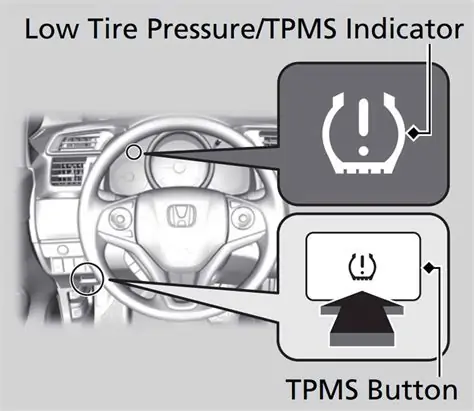
- Locate the TPMS Reset Button: In most Honda models, the TPMS reset button is located under the steering wheel or near the driver’s seat. It may be labeled TPMS or Set.
- Press the Reset Button: Hold the reset button until the TPMS warning light blinks three times, then release it. This indicates that the reset has been successful.
- Start the Vehicle: Turn off the ignition and start your vehicle. Check if the TPMS warning light is off. If it remains illuminated, repeat the steps above or seek professional assistance.
Additional Tips
- After any tire changes, rotations, or replacements, it’s important to reset the TPMS.
- If you frequently experience TPMS light issues, consider having the sensors checked for malfunctions.
- Refer to your owner’s manual for specific instructions tailored to your Honda model.
Resetting your TPMS sensor regularly not only keeps your tire pressure in check but also contributes to better fuel efficiency and a smoother ride. By following these steps, you can ensure that your Honda’s tires remain at the optimal pressure.
Tools needed for TPMS reset
When it comes to resetting the TPMS (Tire Pressure Monitoring System) sensor on your Honda, having the right tools can make the process seamless. Below are the essential tools you will need to successfully carry out a TPMS reset:
| Tool | Description |
|---|---|
| OBD2 Scanner | A diagnostic tool that connects to your vehicle’s OBD2 port to read and clear error codes related to TPMS. |
| Tire Pressure Gauge | Used to measure the tire pressure to ensure it meets the manufacturer’s specifications before resetting the TPMS. |
| User Manual | Your vehicle’s manual provides specific instructions for your Honda model, which can guide you through the reset process. |
| TPMS Reset Tool | A specialized tool designed to reset the TPMS sensors on some vehicles, making the process easier. |
| Air Compressor | If tire pressure needs adjustment, an air compressor will be necessary to inflate or deflate the tires accordingly. |
Having these tools at your disposal will not only help in the TPMS reset process but also ensure that your vehicle maintains optimal tire performance and safety. Always refer to the vehicle manual for any specific requirements or recommendations for your Honda model.
Benefits of regularly resetting TPMS sensor
The Tire Pressure Monitoring System (TPMS) is a crucial safety feature in modern vehicles, ensuring that your tires are properly inflated. One important aspect of maintaining this system is regularly resetting the TPMS sensor. Here are some key benefits of doing so:
- Improved Safety: Regular resetting ensures that the TPMS accurately reflects the real-time state of your tires. This lowers the risk of tire blowouts and improves overall driving safety.
- Enhanced Fuel Efficiency: Properly inflated tires lead to optimal fuel efficiency. Resetting the TPMS helps maintain the correct tire pressure, reducing your vehicle’s fuel consumption.
- Longer Tire Life: Maintaining the correct tire pressure can extend the life of your tires. Regularly resetting the TPMS helps prevent uneven tire wear, saving you money on replacements.
- Better Vehicle Handling: Tires that are properly inflated improve your vehicle’s handling and performance. Resetting the TPMS ensures that the pressure is monitored consistently, providing a smoother ride.
- Compliance with Safety Regulations: Many regions require vehicles to be equipped with operational TPMS. Regular resets help ensure compliance, potentially avoiding fines or penalties.
In summary, regularly resetting your TPMS sensor is a vital maintenance task that offers a range of benefits, including improved safety, fuel efficiency, tire longevity, vehicle handling, and regulatory compliance.
Frequently Asked Questions
What is a TPMS sensor?
A Tire Pressure Monitoring System (TPMS) sensor is used to monitor the air pressure in vehicle tires to ensure they are inflated to the correct levels.
Why might I need to reset my TPMS sensor in a Honda?
You may need to reset your TPMS sensor after changing a tire, rotating tires, or when the warning light illuminates due to low tire pressure.
How do I reset the TPMS sensor on a Honda?
To reset the TPMS sensor on most Hondas, turn the ignition to the ‘ON’ position without starting the engine, and then press and hold the TPMS reset button until the TPMS indicator blinks twice.
Can I reset the TPMS sensor manually?
Yes, you can reset the TPMS sensor manually in many Honda models by following the instructions outlined in your vehicle’s owner manual.
What should I do if the TPMS light stays on after resetting?
If the TPMS light remains on after resetting, it may indicate a malfunction in the TPMS system or an unresolved issue with tire pressure; it’s best to have it inspected by a professional.
Is it safe to drive with a TPMS warning light on?
Driving with a TPMS warning light on is not safe, as it could indicate that one or more tires are under-inflated, which can lead to tire wear or blowouts.
Do all Honda models have a TPMS system?
Yes, most modern Honda models come equipped with a TPMS system as a standard feature to enhance safety and vehicle performance.